AR vs VR: Which Is Best for Your 2025 Marketing?
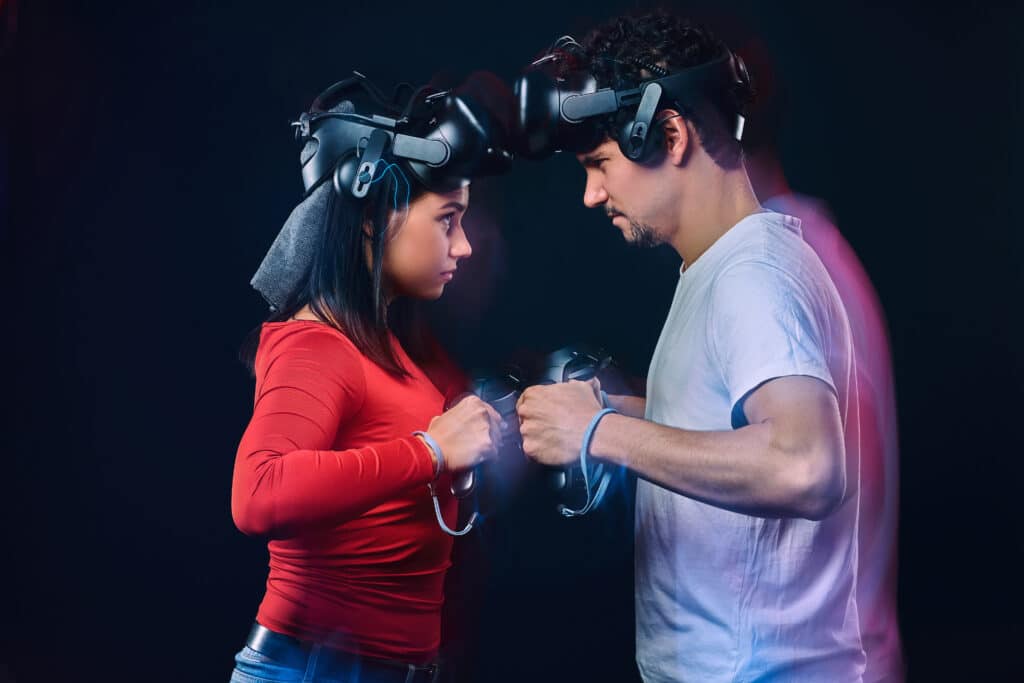
AR or VR: Which Works Better for Your Brand? LinkedIn Introduction The marketing industry is rapidly evolving toward more interactive, immersive, and personalized experiences. In this landscape, two technologies have taken center stage: Augmented Reality (AR) and Virtual Reality (VR). Both promise to transform how brands connect with their audiences, but they do so in different ways, each with unique capabilities, limitations, and strategic advantages.Augmented Reality has grown quickly thanks to its accessibility anyone with a smartphone can enjoy an AR experience. From Instagram filters to virtual try-ons in ecommerce, AR blends the physical world with digital elements, creating seamless, integrated, and highly shareable experiences.Virtual Reality, on the other hand, offers something no other technology can match: total immersion. Through specialized headsets, VR transports users into a fully digital environment, making it ideal for deep, emotional, and memorable experiences.This leads to a key question for brands looking to innovate: Which technology is right for my marketing strategy? It’s not about choosing the most modern or popular option, but the one that best aligns with your goals, budget, audience, and the type of experience you want to deliver.In this blog, we’ll explore what AR and VR are, how they differ, how they work in marketing, examples of brands using them, and most importantly, how to choose the right one for your 2025 strategy. If you want to stand out in an oversaturated market, this guide will give you the clarity you need. What Is AR and What Is VR? Before choosing the right technology, it’s essential to understand how each one works. What Is Augmented Reality (AR)? Augmented Reality (AR) overlays digital elements onto the real world in real time. These elements may include: 3D images Animations Face filters Interactive information Visual and audio effects AR usually works through the camera of a smartphone, making it highly accessible. Common examples of AR: TikTok and Instagram filters Virtual makeup try-ons Visualizing furniture in your home Interactive 3D menus Public brand activations What Is Virtual Reality (VR)? Virtual Reality (VR) creates a fully digital environment where users can interact as if they were inside it. VR requires headsets such as:Meta QuestHTC VivePlayStation VROculus Rift VR enables: Virtual tours Realistic simulations Immersive games Product presentations Entirely new digital worlds Unlike AR, VR replaces reality, delivering total immersion. Why Use AR in Marketing? AR allows interactive experiences without removing users from their real-world surroundings. It’s ideal for brands looking for quick, cost-effective impact. Advantages of AR: Lets users try products virtually (makeup, clothes, furniture). Easy to access just a smartphone is needed. Highly viral, especially on Instagram, TikTok, and WebAR. Reduces returns by allowing customers to visualize products. Perfect for gamified campaigns, filters, challenges, and activations. Successful AR examples: IKEA Place for visualizing furniture at home. L’Oréal’s virtual makeup try-on experiences. Viral AR filters on TikTok, Snapchat, and Instagram. Why Use VR in Marketing? VR offers deeply immersive experiences, perfect for premium campaigns and complex demonstrations. Advantages of VR: 360° tours for real estate or travel. Ideal for training, simulations, and product demos. Delivers premium, memorable brand experiences. Excellent for trade shows, events, and physical installations. Real-world VR examples: Automotive brands allowing virtual car walkthroughs. Hotels showcasing rooms in VR before booking. VR exhibitions at major tech events. Which One Should You Choose for Your Strategy? Choose AR if you want to: Increase ecommerce sales. Create viral social media campaigns. Improve the customer experience. Reduce friction during the buying process. Implement quickly without extra equipment. AR is ideal for social media, ecommerce, and brand activations. Choose VR if you want to: Create premium, unforgettable experiences. Showcase complex products (cars, machinery). Offer immersive tours or simulations. Build experiences for events or physical spaces. VR is ideal for real estate, tourism, automotive, education, and events. How to Integrate AR or VR into Your Marketing 1. Define your main objective Do you want to: Increase sales? Go viral? Educate your audience? Demonstrate a product? 2. Know your audience Do they use TikTok or Instagram? ARDo they have access to VR headsets? VR 3. Choose the right format AR filters Virtual try-ons 3D product visualization VR 360° experiences Gamified experiences Premium VR simulations 4. Design the experienceInclude 3D elements, sound, animation, and a clear narrative. 5. Measure and optimizeTrack: Interaction time Conversion rate Engagement Shares Leads generated Conclusion AR and VR aren’t competitors hey complement each other. Choosing the right one depends on your goals, audience, and the type of impact you want to create.AR is perfect for social media, ecommerce, and viral campaigns.VR shines in premium experiences, simulations, and in-depth product demonstrations.Both technologies can transform your marketing strategy when implemented correctly. Want to integrate AR or VR into your marketing strategy?At Hyper Reality Company, we create immersive experiences, AR filters, 3D product visualizers, and VR projects designed to impress and sell.Contact us and let’s take your brand to the next level.
AR vs VR: ¿Cuál Usar en Tu Estrategia de Marketing en 2025?
AR o VR: cual funciona mejor para tu marca LinkedIn Introducción La industria del marketing está evolucionando hacia experiencias mucho más interactivas, inmersivas y personalizadas. En este contexto, dos tecnologías han tomado un papel protagónico: la Realidad Aumentada (AR) y la Realidad Virtual (VR). Ambas prometen transformar la forma en que las marcas conectan con sus audiencias, pero lo hacen de maneras diferentes, cada una con sus propias capacidades, limitaciones y ventajas competitivas.La Realidad Aumentada ha ganado terreno rápidamente gracias a su accesibilidad: cualquier persona con un smartphone puede vivir una experiencia AR. Desde filtros en Instagram hasta probadores virtuales en ecommerce, la AR permite mezclar el mundo físico con elementos digitales, lo que crea experiencias más cercanas, integradas y fáciles de compartir. Por otro lado, la Realidad Virtual ofrece algo que ninguna otra tecnología puede replicar: una inmersión total. Gracias a visores especializados, VR sumerge al usuario en un entorno completamente digital, ideal para experiencias profundas, emocionales y memorables.Pero surge una pregunta clave para las marcas que desean innovar: ¿cuál de estas tecnologías es la adecuada para mi estrategia de marketing? No se trata solo de elegir la más moderna o la más popular, sino la que mejor se adapte a tus objetivos, presupuesto, público objetivo y tipo de experiencia que buscas ofrecer.En este blog, exploraremos en profundidad qué es AR y VR, en qué se diferencian, cómo funcionan dentro del marketing, qué marcas las están utilizando y, lo más importante, cómo elegir la correcta para tu estrategia en 2025. Si deseas destacar en un mercado saturado, este artículo te dará la claridad que necesitas. ¿Qué es AR y Qué es VR? Las tecnologías inmersivas están cambiando la forma en que las marcas se comunican, pero para elegir correctamente primero hay que entender qué es cada una. ¿Qué es la Realidad Aumentada (AR)? La Realidad Aumentada (AR) consiste en superponer elementos digitales sobre el entorno real. Esto puede incluir: Imágenes 3D Animaciones Filtros faciales Información interactiva Efectos visuales y sonoros Todo ocurre en tiempo real, generalmente usando la cámara de un smartphone.Ejemplos: Filtros de TikTok e Instagram Pruebas virtuales de maquillaje Visualización de muebles en tu sala Restaurantes que muestran menús en 3D Activaciones de marca en espacios públicos ¿Qué es la Realidad Virtual (VR)? La Realidad Virtual (VR) es una tecnología que crea un entorno completamente digital donde el usuario puede interactuar como si estuviera dentro de él. Para vivir una experiencia VR se necesita un visor como: Meta Quest HTC Vive PlayStation VR Oculus Rift La VR permite: Recorridos virtuales Simulaciones realistas Juegos inmersivos Presentaciones de producto Mundos completamente nuevos A diferencia de la AR: VR reemplaza la realidad por completo. ¿Por Qué Usar AR en Marketing? La AR ofrece experiencias interactivas sin alejar al usuario de su entorno. Es perfecta para:Ventajas de AR: Permite probar productos virtualmente (maquillaje, ropa, muebles). Es fácil de usar, solo requiere un smartphone. Es ideal para viralidad, especialmente en Instagram, TikTok y WebAR. Reduce devoluciones al permitir ver el producto antes de comprar. Es perfecta para activaciones gamificadas, filtros, juegos y promociones. Ejemplos: IKEA Place para visualizar muebles. L’Oréal con probadores virtuales de maquillaje. Marcas con filtros AR en TikTok y Reels para lanzamientos. ¿Por Qué Usar VR en Marketing? La VR crea experiencias totalmente inmersivas, ideales para campañas profundas que generen emociones intensas.Ventajas de VR: Permite tours de 360° para inmobiliarias o turismo. Ideal para capacitación, simulaciones y demostraciones complejas. Genera una experiencia premium y memorable. Excelente para ferias, eventos y puntos de venta físicos. Ejemplos: Automotrices que permiten recorrer un carro de manera virtual. Hoteles mostrando habitaciones en VR antes de reservar. Experiencias VR en ferias tecnológicas. ¿Cuál Elegir para Tu Estrategia? Elige AR si quieres: Aumentar ventas en ecommerce. Crear campañas virales en redes sociales. Mejorar la experiencia del cliente. Reducir fricción en la compra. Integración rápida y sin equipos adicionales. AR es ideal para redes sociales, ecommerce y activaciones comerciales. Elige VR si quieres: Crear experiencias premium y memorables. Mostrar productos complejos (autos, maquinaria). Ofrecer tours inmersivos o simulaciones. Crear contenido para eventos o salas físicas. VR es ideal para inmobiliarias, turismo, autos, educación y eventos. Cómo Integrar AR o VR en Tu Marketing (Paso a Paso) 1. Define tu objetivo principal ¿Quieres vender más? ¿Viralizar? ¿Educar? ¿Demostrar un producto? 2. Conoce a tu audiencia ¿Tienen acceso a visores? ¿Usan TikTok o Instagram? Si la respuesta es sí AR es la mejor opción. 3. Selecciona el formato ideal Filtros AR Probadores virtuales Visualización 3D Experiencias VR 360° Tours en VR Juegos gamificados 4. Diseña la experienciaIncluye elementos 3D, sonidos, animaciones y una historia clara. 5. Mide y optimizaEvalúa: Tiempo de interacción Tasa de conversión Compartidos Engagement Leads generados Conclusión AR y VR no compiten se complementan. Pero elegir la tecnología correcta depende de tus objetivos, tu audiencia y el impacto que busques generar.La AR es ideal para viralidad, ecommerce y redes sociales y la VR es perfecta para experiencias inmersivas, premium y memorables. Ambas pueden transformar tu estrategia de marketing si se implementan correctamente. ¿Quieres implementar AR o VR en tu estrategia de marketing?En Hyper Reality Company creamos experiencias inmersivas, filtros, visualizadores 3D y proyectos VR listos para impresionar y vender. Contáctanos y llevemos tu marca al siguiente nivel.
