

AR or VR: Which Works Better for Your Brand?
LinkedIn
Introduction
The marketing industry is rapidly evolving toward more interactive, immersive, and personalized experiences. In this landscape, two technologies have taken center stage: Augmented Reality (AR) and Virtual Reality (VR). Both promise to transform how brands connect with their audiences, but they do so in different ways, each with unique capabilities, limitations, and strategic advantages.
Augmented Reality has grown quickly thanks to its accessibility anyone with a smartphone can enjoy an AR experience. From Instagram filters to virtual try-ons in ecommerce, AR blends the physical world with digital elements, creating seamless, integrated, and highly shareable experiences.
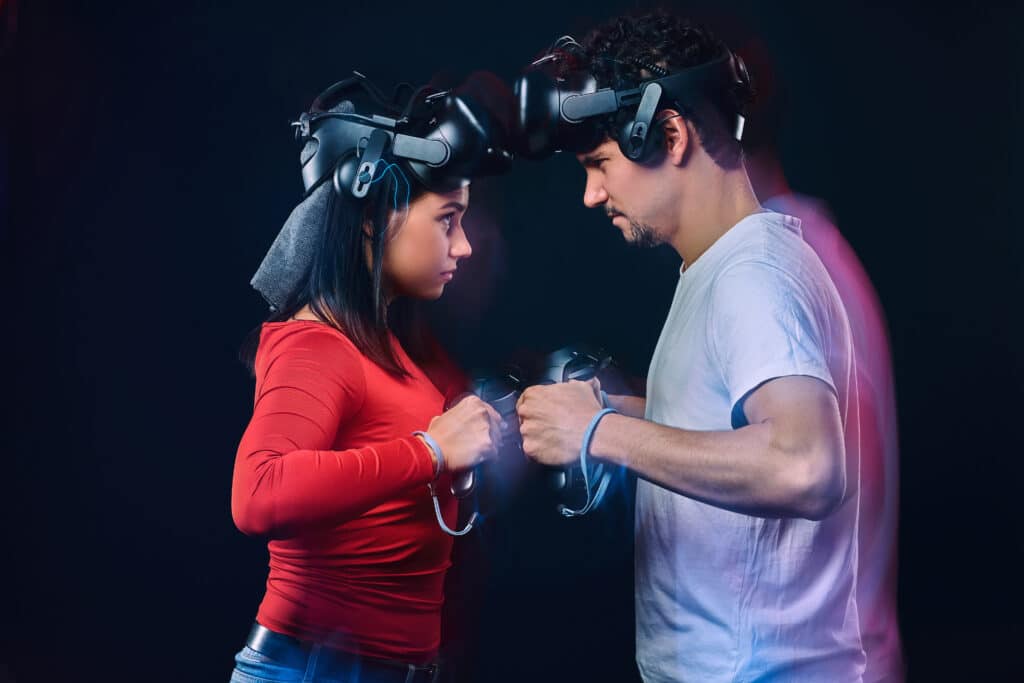
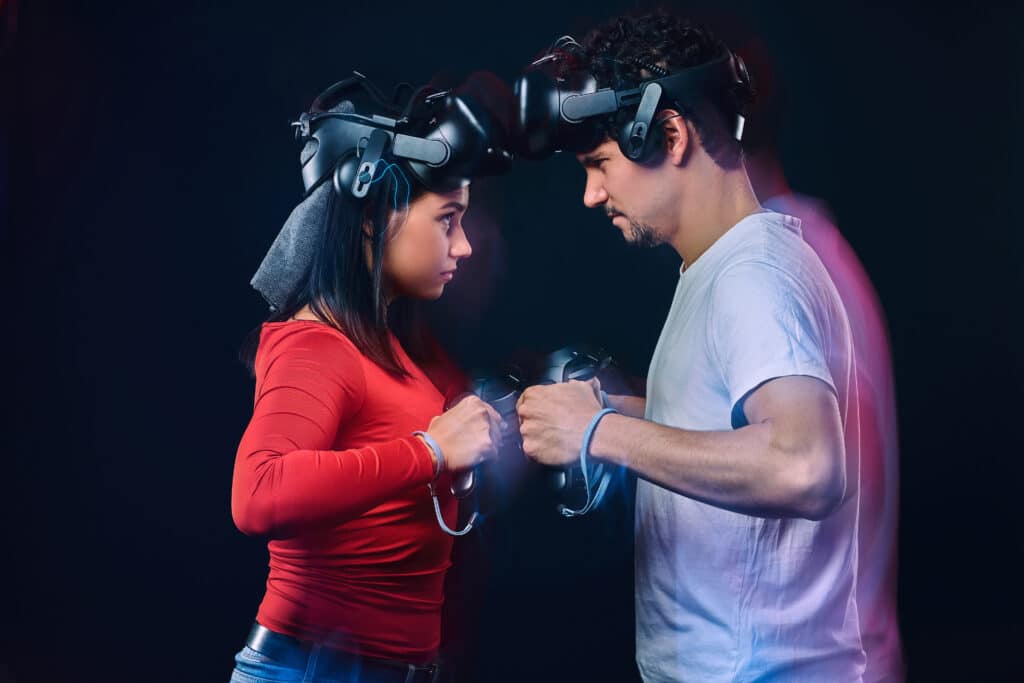
Virtual Reality, on the other hand, offers something no other technology can match: total immersion. Through specialized headsets, VR transports users into a fully digital environment, making it ideal for deep, emotional, and memorable experiences.
This leads to a key question for brands looking to innovate: Which technology is right for my marketing strategy? It’s not about choosing the most modern or popular option, but the one that best aligns with your goals, budget, audience, and the type of experience you want to deliver.
In this blog, we’ll explore what AR and VR are, how they differ, how they work in marketing, examples of brands using them, and most importantly, how to choose the right one for your 2025 strategy. If you want to stand out in an oversaturated market, this guide will give you the clarity you need.
What Is AR and What Is VR?
Before choosing the right technology, it’s essential to understand how each one works.
What Is Augmented Reality (AR)?
Augmented Reality (AR) overlays digital elements onto the real world in real time. These elements may include:
- 3D images
- Animations
- Face filters
- Interactive information
- Visual and audio effects
AR usually works through the camera of a smartphone, making it highly accessible.
Common examples of AR:
TikTok and Instagram filters
Virtual makeup try-ons
Visualizing furniture in your home
Interactive 3D menus
Public brand activations
What Is Virtual Reality (VR)?
Virtual Reality (VR) creates a fully digital environment where users can interact as if they were inside it. VR requires headsets such as:
Meta Quest
HTC Vive
PlayStation VR
Oculus Rift
VR enables:
- Virtual tours
- Realistic simulations
- Immersive games
- Product presentations
- Entirely new digital worlds
Unlike AR, VR replaces reality, delivering total immersion.
Why Use AR in Marketing?
AR allows interactive experiences without removing users from their real-world surroundings. It’s ideal for brands looking for quick, cost-effective impact.
Advantages of AR:
- Lets users try products virtually (makeup, clothes, furniture).
- Easy to access just a smartphone is needed.
- Highly viral, especially on Instagram, TikTok, and WebAR.
- Reduces returns by allowing customers to visualize products.
- Perfect for gamified campaigns, filters, challenges, and activations.
Successful AR examples:
- IKEA Place for visualizing furniture at home.
- L’Oréal’s virtual makeup try-on experiences.
- Viral AR filters on TikTok, Snapchat, and Instagram.
Why Use VR in Marketing?
VR offers deeply immersive experiences, perfect for premium campaigns and complex demonstrations.
Advantages of VR:
- 360° tours for real estate or travel.
- Ideal for training, simulations, and product demos.
- Delivers premium, memorable brand experiences.
- Excellent for trade shows, events, and physical installations.
Real-world VR examples:
- Automotive brands allowing virtual car walkthroughs.
- Hotels showcasing rooms in VR before booking.
- VR exhibitions at major tech events.
Which One Should You Choose for Your Strategy?
Choose AR if you want to:
- Increase ecommerce sales.
- Create viral social media campaigns.
- Improve the customer experience.
- Reduce friction during the buying process.
- Implement quickly without extra equipment.
AR is ideal for social media, ecommerce, and brand activations.
Choose VR if you want to:
- Create premium, unforgettable experiences.
- Showcase complex products (cars, machinery).
- Offer immersive tours or simulations.
- Build experiences for events or physical spaces.
VR is ideal for real estate, tourism, automotive, education, and events.
How to Integrate AR or VR into Your Marketing
1. Define your main objective
Do you want to:
- Increase sales?
- Go viral?
- Educate your audience?
- Demonstrate a product?
2. Know your audience
Do they use TikTok or Instagram? AR
Do they have access to VR headsets? VR
3. Choose the right format
- AR filters
- Virtual try-ons
- 3D product visualization
- VR 360° experiences
- Gamified experiences
- Premium VR simulations
4. Design the experience
Include 3D elements, sound, animation, and a clear narrative.
5. Measure and optimize
Track:
- Interaction time
- Conversion rate
- Engagement
- Shares
- Leads generated