
01
Descubrimiento
Entendemos tu negocio, objetivos y audiencia para definir el camino estratégico.
En HyperReality fusionamos tecnología avanzada y creatividad audaz para crear experiencias inmersivas que inspiran, conectan y dejan un impacto duradero. Basados en Guatemala y EE.UU., nos asociamos con marcas y agencias para romper límites, capturar la atención y redefinir la comunicación digital.
Usando IA, CGI, AR/VR y narrativa interactiva, convertimos ideas en experiencias inolvidables y funcionales — impulsadas por precisión, audacia e impacto emocional.
En HyperReality fusionamos tecnología avanzada y creatividad audaz para crear experiencias inmersivas que inspiran, conectan y dejan un impacto duradero. Basados en Guatemala y EE.UU., nos asociamos con marcas y agencias para romper límites, capturar la atención y redefinir la comunicación digital.
Usando IA, CGI, AR/VR y narrativa interactiva, convertimos ideas en experiencias inolvidables y funcionales — impulsadas por precisión, audacia e impacto emocional.
En un mundo saturado de contenido, las marcas que no capturan atención en segundos se vuelven invisibles.
Transformamos mensajes comunes en experiencias que detienen, conectan y permanecen en la mente del público.
Porque ser visto ya no es suficiente.
¡Hay que ser recordado!
Ponemos FOOH, AR, VR e IA al servicio de cualquier campaña que tu agencia necesite crear para sus clientes.
Simuladores de laboratorio, avatares de IA y minijuegos en AR que acercan marcas de salud a pacientes y profesionales.
Empaques y productos que cobran vida en mundos 3D, minijuegos y ecosistemas promocionales con IA.
Simuladores en VR, AR y avatares de IA que permiten vivir la experiencia de manejo antes del test drive.
Laboratorios, campus y procesos técnicos que se exploran en AR y VR antes de vivirlos.
Hyper Mirror, AR de promociones y experiencias en VR que convierten cada colección en un mundo de marca.
Gemelos digitales, recorridos 360° y mapas interactivos para explorar destinos, proyectos y ciudades a distancia.
Hyper View, Hyper Build y simuladores con IA para visualizar procesos industriales antes de construirlos.
Un proceso colaborativo, ágil y transparente paracrear productos digitales, experiencias inmersivas y solucionesde IA que generan impacto real.
Enfoque centrado en resultados, tecnología de vanguardia y comunicación constante.
Entendemos tu negocio, objetivos y audiencia para definir el camino estratégico.
Diseñamos la arquitectura del producto, priorizamos funcionalidades y establecemos el roadmap.
Creamos experiencias memorables con UI/UX intuitivo y prototipos interactivos.
Desarrollamos soluciones escalables en web, AR, VR e IA con las mejores tecnologías.
Probamos, iteramos y optimizamos para asegurar calidad, rendimiento y usabilidad.
Lanzamos el producto al mundo con integración, monitoreo y seguridad.
Analizamos datos, medimos resultados y mejoramos continuamente para escalar tu éxito.
Somos tu aliado tecnológico para innovar, evolucionar y alcanzar nuevas metas juntos.
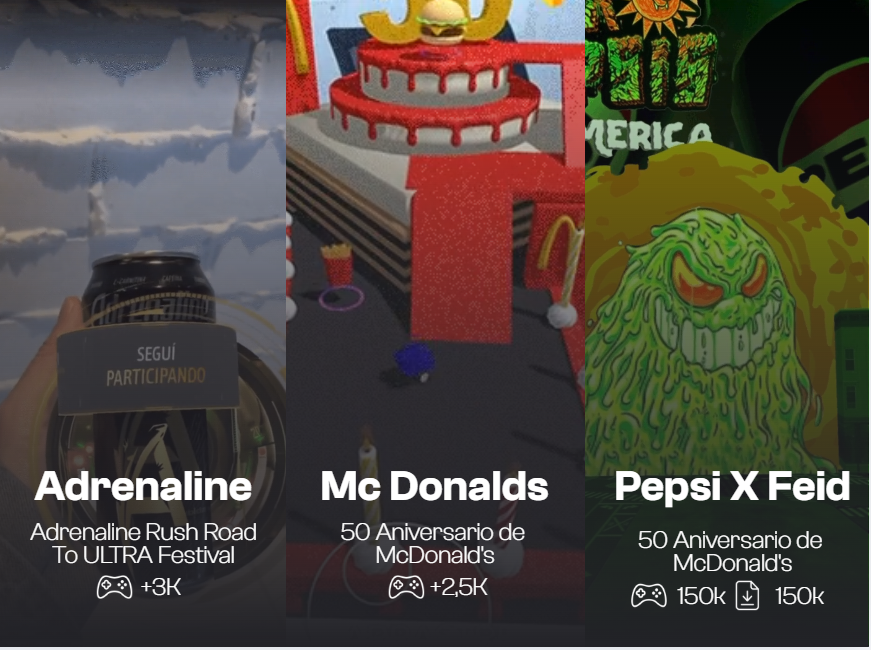
Marcas que ya confiaron en nosotros para crear experiencias inmersivas.
Construyamos tu próximo proyecto XR con Hyper.
Las marcas ya no compiten únicamente por captar la atención del consumidor, sino por crear experiencias que permanezcan en su memoria. En un entorno donde las personas están expuestas a miles de anuncios cada día, una campaña tradicional puede pasar desapercibida en cuestión de segundos. Las experiencias inmersivas permiten que los usuarios interactúen con una marca de forma activa, convirtiendo una simple publicidad en una vivencia memorable. Tecnologías como la realidad aumentada (AR), la realidad virtual (VR), la inteligencia artificial (IA), los visualizadores 3D y las campañas FOOH (Fake Out Of Home) están transformando la manera en que las empresas conectan con sus clientes. Cómo crear conexiones que aumentan la recordación y las ventas ¿Qué son las experiencias inmersivas? Una experiencia inmersiva es una interacción donde el usuario deja de ser un espectador para convertirse en protagonista. En lugar de limitarse a observar un anuncio o una publicación en redes sociales, las personas pueden explorar un producto en 3D, participar en un juego interactivo, recorrer un espacio virtual o conversar con un asistente impulsado por inteligencia artificial. El objetivo no es únicamente entretener, sino generar una conexión emocional que haga que la marca sea más fácil de recordar. ¿Por qué las marcas están apostando por experiencias inmersivas? El comportamiento del consumidor ha cambiado. Hoy las personas buscan participar, descubrir y compartir experiencias, especialmente aquellas que sorprenden o generan valor. Las experiencias inmersivas ayudan a las marcas a: Diferenciarse de la competencia. Incrementar la interacción con los clientes. Aumentar el tiempo de permanencia con la marca. Generar contenido compartible en redes sociales. Obtener datos valiosos sobre el comportamiento del usuario. Mejorar la recordación de marca. Impulsar la intención de compra. Cuando una experiencia logra emocionar o sorprender, las probabilidades de que el usuario la comparta aumentan considerablemente. Tecnologías que hacen posibles las experiencias inmersivas Realidad aumentada (AR) La realidad aumentada permite incorporar elementos digitales en el entorno real utilizando un teléfono móvil o una tablet. Algunas aplicaciones incluyen: Probar productos virtualmente. Juegos promocionales. Catálogos interactivos. Activaciones mediante códigos QR. Experiencias en puntos de venta. Esta tecnología facilita que el consumidor interactúe con el producto antes de comprarlo. Realidad virtual (VR) La realidad virtual transporta al usuario a un entorno completamente digital mediante visores especializados. Es ideal para: Capacitación empresarial. Recorridos virtuales. Simuladores. Eventos. Presentaciones de productos. Las empresas pueden mostrar procesos, instalaciones o productos sin necesidad de desplazamientos físicos. Inteligencia Artificial La IA añade personalización e interacción en tiempo real. Entre sus aplicaciones destacan: Avatares inteligentes. Asistentes virtuales. Atención automatizada. Recomendaciones personalizadas. Presentaciones interactivas. Esto permite ofrecer experiencias más dinámicas y adaptadas a cada usuario. Visualizadores 3D Los modelos tridimensionales permiten explorar un producto desde cualquier ángulo. Son especialmente útiles para: Inmobiliarias. Mobiliario. Automóviles. Maquinaria. Comercio electrónico. Los clientes pueden visualizar mejor un producto antes de tomar una decisión de compra. FOOH (Fake Out Of Home) Las campañas FOOH combinan CGI con escenarios reales para crear contenido visual impactante que parece suceder en la vida real. Estas campañas suelen generar una alta interacción en redes sociales gracias a su capacidad de sorprender al público. Beneficios para las marcas Implementar experiencias inmersivas ofrece ventajas tanto en marketing como en ventas. Entre los principales beneficios se encuentran: Mayor diferenciación. Incremento del engagement. Mayor alcance orgánico. Mejor percepción de innovación. Captación de leads. Incremento de la recordación de marca. Experiencias más memorables. Mayor confianza del consumidor. Además, muchas experiencias permiten recopilar información útil sobre el comportamiento del usuario, facilitando futuras estrategias comerciales. Sectores que más aprovechan estas tecnologías Las experiencias inmersivas ya están siendo utilizadas en múltiples industrias, entre ellas: Retail. Restaurantes. Centros comerciales. Automotriz. Bienes raíces. Educación. Salud. Turismo. Industria. Eventos corporativos. Cada sector puede adaptar estas herramientas según sus objetivos de negocio y el tipo de cliente al que desea llegar. Cómo implementar una experiencia inmersiva con éxito Antes de desarrollar una experiencia tecnológica es importante responder algunas preguntas: ¿Cuál es el objetivo de la campaña? ¿Quién será el público objetivo? ¿Qué tecnología aporta mayor valor? ¿Qué indicadores medirán el éxito? ¿Cómo se integrará con la estrategia de marketing? La tecnología debe ser un medio para resolver un problema o alcanzar un objetivo comercial, no un fin en sí misma. Conclusión Creamos soluciones en realidad aumentada, realidad virtual, inteligencia artificial, visualizadores 3D, CGI y campañas FOOH, adaptadas a los objetivos de cada empresa. Si buscas diferenciar tu marca con tecnología innovadora, nuestro equipo puede ayudarte a diseñar una experiencia que transforme la forma en que tus clientes interactúan con tu negocio. En Hyper Reality Company desarrollamos experiencias inmersivas que ayudan a las marcas a captar la atención, generar interacción y crear conexiones memorables con sus clientes.
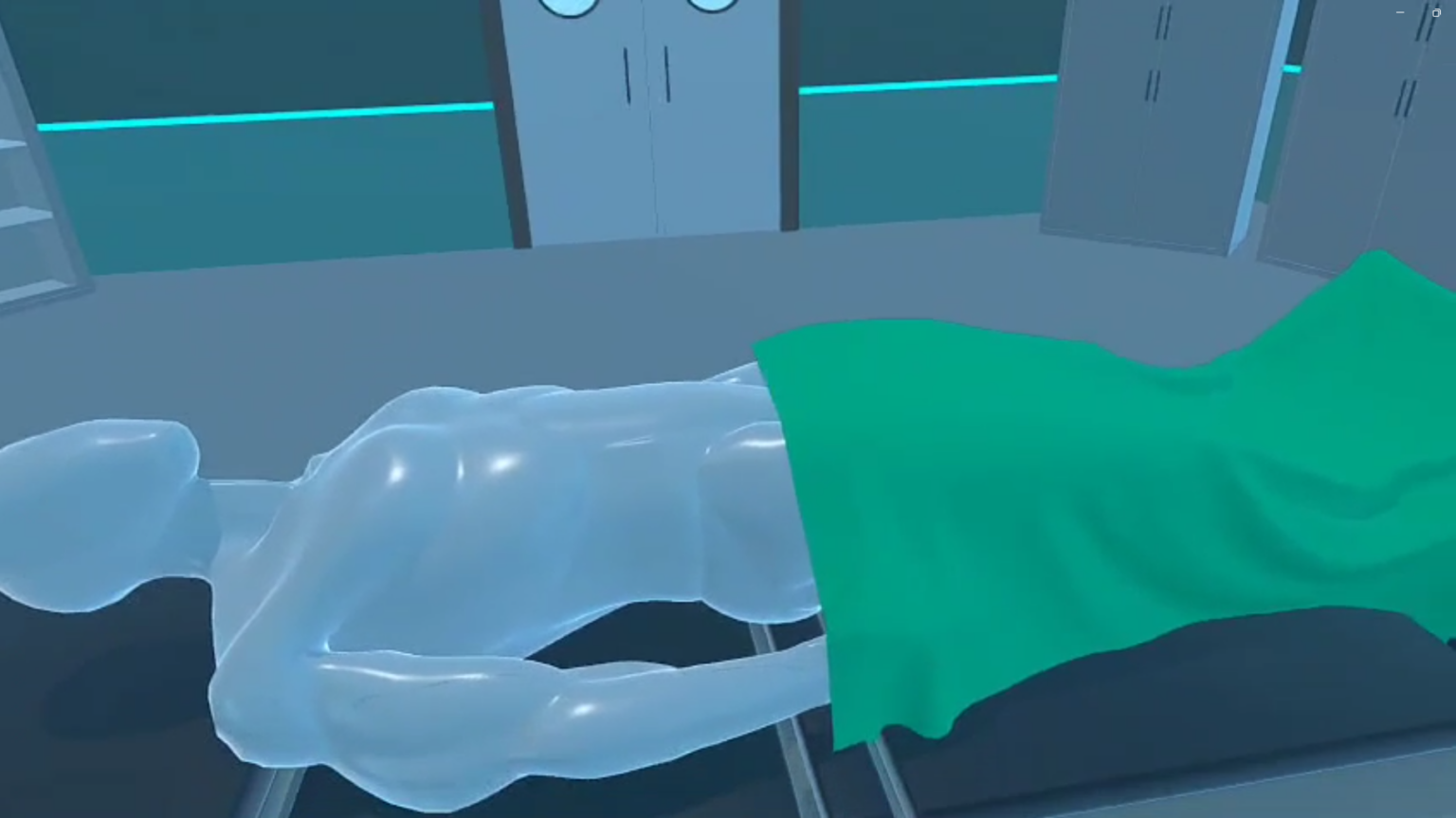
En el sector salud, cada decisión puede marcar la diferencia. Por eso, la capacitación del personal médico debe ir más allá de la teoría y ofrecer experiencias que permitan practicar procedimientos complejos sin poner en riesgo a los pacientes. Los simuladores para hospitales basados en Realidad Virtual (VR) y tecnologías inmersivas están revolucionando la forma en que médicos, enfermeros y estudiantes desarrollan sus habilidades. Hoy es posible recrear quirófanos, salas de emergencia, consultorios y escenarios críticos con un nivel de realismo que mejora el aprendizaje y reduce los errores. ¿Qué son los simuladores para hospitales? Los simuladores médicos son experiencias digitales diseñadas para recrear procedimientos clínicos y situaciones reales dentro de un entorno virtual o interactivo. Gracias a tecnologías como la Realidad Virtual, los profesionales pueden practicar múltiples veces un procedimiento antes de realizarlo con un paciente real. Estos simuladores permiten entrenar desde habilidades básicas hasta cirugías altamente especializadas. ¿Cómo funcionan? Utilizando un visor de Realidad Virtual y controles especializados, el usuario ingresa a un entorno completamente inmersivo donde puede interactuar con instrumentos médicos, pacientes virtuales y equipos hospitalarios. Dependiendo del simulador, es posible: Realizar cirugías paso a paso. Practicar protocolos de emergencia. Simular reanimación cardiopulmonar (RCP). Atender pacientes con diferentes patologías. Aprender el uso correcto de equipos médicos. Practicar procedimientos de enfermería. Todo esto en un ambiente seguro donde equivocarse forma parte del aprendizaje. Beneficios de los simuladores médicos 1. Mayor seguridad para los pacientes Los errores ocurren durante el entrenamiento y no durante una atención real. Esto permite que el personal llegue mejor preparado a situaciones críticas. 2. Capacitación más rápida Los profesionales pueden repetir un procedimiento tantas veces como sea necesario hasta dominarlo. El aprendizaje deja de depender únicamente de casos reales. 3. Reducción de costos Los hospitales disminuyen el uso de materiales desechables para entrenamiento. También reducen gastos asociados a laboratorios físicos de simulación. 4. Entrenamiento estandarizado Todos los colaboradores reciben exactamente la misma experiencia de capacitación. Esto facilita mantener protocolos clínicos consistentes. 5. Evaluación del desempeño Los simuladores registran información como: Tiempo de ejecución. Errores cometidos. Precisión. Cumplimiento de protocolos. Progreso del participante. Estos datos ayudan a medir objetivamente el nivel de cada profesional. Aplicaciones de los simuladores en hospitales Capacitación de médicos residentes Permiten practicar procedimientos complejos antes de atender pacientes reales. Entrenamiento de enfermería Las enfermeras pueden aprender protocolos clínicos, administración de medicamentos y manejo de emergencias. Cirugías Los cirujanos pueden practicar operaciones específicas antes de realizarlas. Esto resulta especialmente útil para procedimientos poco frecuentes o altamente complejos. Emergencias médicas Es posible recrear escenarios como: Paros cardiorrespiratorios. Accidentes múltiples. Trauma severo. Desastres naturales. Atención masiva de pacientes. Uso de nuevos equipos médicos Antes de incorporar tecnología hospitalaria, el personal puede aprender su funcionamiento mediante simulaciones. Simuladores para universidades y escuelas de medicina No solo los hospitales aprovechan esta tecnología. Las facultades de medicina utilizan simuladores para que los estudiantes desarrollen habilidades clínicas desde etapas tempranas de su formación. Esto incrementa la confianza, mejora la toma de decisiones y fortalece el aprendizaje práctico. ¿Por qué la Realidad Virtual mejora el aprendizaje médico? Diversos estudios muestran que el aprendizaje inmersivo favorece la retención del conocimiento porque el usuario participa activamente en la experiencia. En lugar de observar una demostración, el profesional toma decisiones, interactúa con el entorno y enfrenta situaciones similares a las que encontrará en su práctica diaria. Además, los simuladores permiten practicar escenarios difíciles de recrear en un aula tradicional, como emergencias complejas o procedimientos de alta especialización. El futuro de la capacitación médica La incorporación de inteligencia artificial y análisis de datos está llevando los simuladores médicos a un nuevo nivel. Los sistemas ya pueden adaptar la dificultad según el desempeño del usuario, generar pacientes virtuales con diferentes condiciones clínicas y ofrecer retroalimentación personalizada para acelerar el aprendizaje. En los próximos años, estas tecnologías serán cada vez más comunes en hospitales, universidades y centros de formación, contribuyendo a preparar profesionales mejor capacitados y a mejorar la calidad de la atención. ¿Quieres implementar un simulador médico para tu institución? En Hyper Reality Company desarrollamos simuladores de Realidad Virtual personalizados para hospitales, universidades y empresas del sector salud. Creamos experiencias inmersivas adaptadas a tus protocolos, objetivos de capacitación y necesidades específicas para que tu equipo aprenda practicando en un entorno seguro y altamente realista. Conclusión Los simuladores para hospitales representan una evolución en la formación del personal de salud. Al combinar Realidad Virtual, escenarios inmersivos y evaluación en tiempo real, permiten desarrollar habilidades clínicas de forma segura, eficiente y medible. Para hospitales, universidades y centros médicos, esta tecnología no solo optimiza los procesos de capacitación, sino que también ayuda a reducir errores, mejorar la confianza del personal y elevar la calidad de la atención al paciente. En Hyper Reality Company desarrollamos diferentes tecnologías que te ayudarán a tener más ventas y visibilidad.
Los lanzamientos de productos ya no dependen únicamente de fotografías tradicionales o anuncios estáticos. Hoy, las marcas buscan crear experiencias visuales capaces de detener el scroll, generar conversación y hacer que las personas recuerden un producto incluso antes de tenerlo en sus manos. En este escenario, la publicidad CGI (Computer Generated Imagery) se ha convertido en una herramienta innovadora para crear campañas impactantes, combinando creatividad, tecnología 3D y efectos visuales que parecen imposibles en el mundo real. ¿Qué es la publicidad CGI? La publicidad CGI utiliza gráficos generados por computadora para crear imágenes, videos y escenarios digitales que muestran productos de una manera completamente personalizada. A diferencia de una producción tradicional, donde existen limitaciones físicas como locaciones, materiales o efectos especiales, el CGI permite diseñar cualquier escenario imaginable: Productos flotando sobre ciudades. Objetos gigantes interactuando con espacios reales. Animaciones imposibles de grabar. Transformaciones visuales de empaques. Experiencias hiperrealistas para redes sociales. Esta tecnología combina diseño 3D, animación, iluminación digital y composición visual para crear anuncios que parecen reales, aunque fueron construidos completamente en un entorno digital. ¿Por qué utilizar CGI en el lanzamiento de productos? 1. Genera mayor impacto visual En redes sociales, las marcas compiten constantemente por segundos de atención. Un anuncio CGI rompe patrones porque presenta escenas inesperadas que capturan la curiosidad del usuario. Un producto que aparece en una escala imposible o interactúa con un ambiente real genera una sensación de sorpresa que aumenta las probabilidades de ser compartido. 2. Permite mostrar productos antes de producirlos Una de las mayores ventajas del CGI es que una marca puede crear contenido antes de tener el producto terminado. Esto permite: Crear expectativa antes del lanzamiento. Presentar prototipos. Mostrar diferentes versiones del producto. Crear campañas de preventa. Validar conceptos visuales con la audiencia. Las empresas pueden comenzar una conversación con sus clientes incluso antes de que el producto llegue al mercado. . CGI + FOOH: una combinación que transforma los lanzamientos Una tendencia que ha crecido rápidamente es la combinación del CGI con el FOOH (Fake Out Of Home). Esta estrategia crea anuncios digitales que parecen aparecer en espacios públicos reales, como edificios, calles o centros comerciales, pero que fueron creados mediante efectos visuales. Ejemplos: Un perfume gigante recorriendo una ciudad. Un automóvil atravesando una pantalla urbana. Un producto apareciendo en un edificio. Una mascota de marca interactuando con una ubicación real. El resultado es contenido diseñado para redes sociales, donde la sorpresa impulsa la interacción y aumenta el alcance orgánico. Estrategias para utilizar CGI en un lanzamiento de producto 1. Crear expectativa antes del lanzamiento Antes de revelar un producto, una marca puede utilizar CGI para generar misterio. Ejemplo: Un objeto cubierto por efectos digitales, una silueta del producto o una escena futurista que invite a la audiencia a descubrir qué viene. 2. Convertir el producto en una experiencia El CGI permite dejar de mostrar solamente un producto y empezar a contar una historia. En lugar de: «Nuevo producto disponible». Una marca puede comunicar: «Una nueva experiencia está llegando». Esto genera una conexión emocional más fuerte con los consumidores. 3. Crear contenido adaptable para diferentes plataformas Una misma producción CGI puede convertirse en: Videos verticales para TikTok e Instagram Reels. Anuncios digitales. Contenido para pantallas LED. Presentaciones de lanzamiento. Material para campañas pagadas. Esto aumenta el rendimiento de la inversión creativa. Sectores que pueden aprovechar la publicidad CGI Tecnología Las marcas tecnológicas pueden mostrar dispositivos, interfaces y funciones futuristas antes de su lanzamiento. Automotriz Permite crear vehículos en escenarios imposibles, mostrar características internas o experiencias de conducción. Alimentos y bebidas Los productos pueden transformarse en escenas llamativas con ingredientes, explosiones visuales y ambientes creativos. Moda y belleza Permite crear campañas premium con productos flotando, efectos líquidos, partículas y mundos digitales. Inmobiliario Los proyectos pueden visualizarse antes de estar construidos mediante renders y animaciones hiperrealistas. Beneficios de una campaña CGI para marcas ✅ Mayor impacto en redes sociales.✅ Diferenciación frente a la competencia.✅ Mayor posibilidad de viralización.✅ Presentación de productos antes de producirlos.✅ Contenido reutilizable para diferentes canales.✅ Experiencias visuales más memorables. El futuro de los lanzamientos será más visual e inmersivo Los consumidores ya no buscan solamente información sobre un producto; buscan experiencias que los sorprendan. La publicidad CGI permite que las marcas creen momentos imposibles, mezclando creatividad y tecnología para transformar un simple lanzamiento en una experiencia que las personas quieran compartir. En un mercado donde captar atención es cada vez más difícil, las empresas que utilizan herramientas como CGI, 3D y experiencias inmersivas tienen una ventaja: pueden mostrar no solo lo que venden, sino lo que las personas pueden imaginar. Conclusión En Hyper Reality Company desarrollamos experiencias CGI, FOOH y contenido 3D que ayudan a las marcas a crear campañas visualmente impactantes y memorables. 🚀 En Hyper Reality Company desarrollamos diferentes tecnologías que te ayudarán a tener más ventas y visibilidad.
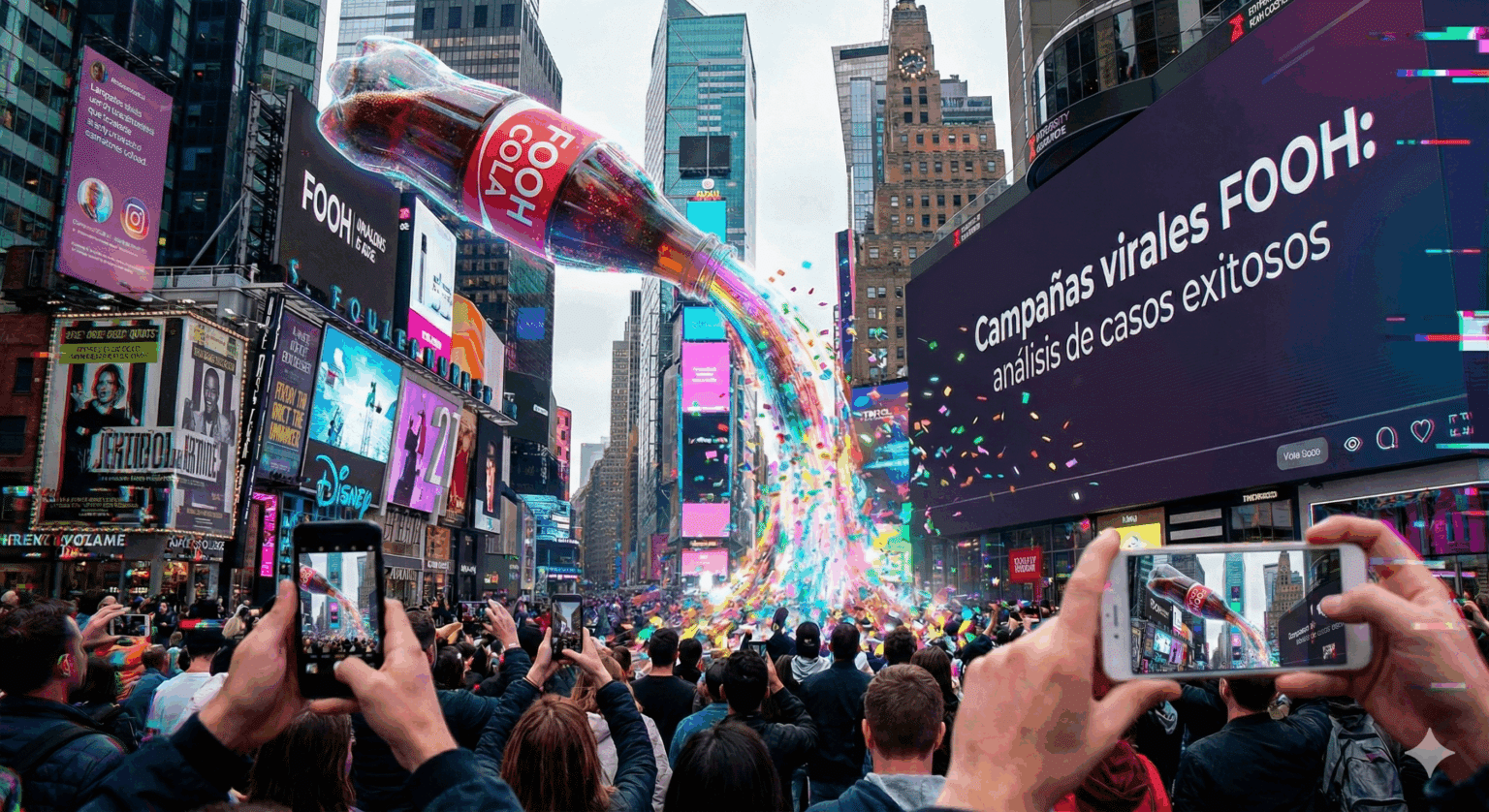
La forma en que los centros comerciales atraen clientes está cambiando. Hoy, ya no basta con ofrecer promociones o eventos tradicionales; las personas buscan experiencias que las sorprendan y contenido que valga la pena compartir en redes sociales. En este escenario, el FOOH (Fake Out Of Home) se ha convertido en una de las estrategias más innovadoras para captar la atención del público, combinar creatividad con tecnología y generar un impacto que trasciende el espacio físico. En este artículo descubrirás qué es el FOOH, cómo funciona y por qué cada vez más centros comerciales lo utilizan para aumentar su visibilidad, fortalecer su marca y atraer más visitantes. La estrategia que convierte espacios físicos en campañas virales ¿Qué es FOOH y por qué está revolucionando el marketing en centros comerciales? Los centros comerciales ya no compiten únicamente por atraer visitantes; ahora también buscan generar experiencias que las personas quieran compartir. En este contexto, el FOOH (Fake Out Of Home) se ha convertido en una de las estrategias más innovadoras para captar la atención del público. FOOH consiste en crear videos con efectos visuales hiperrealistas mediante CGI (imágenes generadas por computadora), haciendo parecer que sucede algo extraordinario en un lugar real. Aunque el evento no ocurre físicamente, el resultado es tan convincente que logra sorprender a miles o incluso millones de personas en redes sociales. Para un centro comercial, esto significa una oportunidad para aumentar su alcance digital, fortalecer su marca y generar más visitas. ¿Por qué los centros comerciales están utilizando FOOH? Hoy en día, las personas reciben cientos de anuncios diariamente. La mayoría pasan desapercibidos, pero un contenido inesperado logra detener el desplazamiento en redes sociales y captar la atención. Un video FOOH puede transformar la fachada de un centro comercial en el escenario de una experiencia inolvidable. Algunos ejemplos incluyen: Un robot gigante saliendo del edificio. Un producto de gran tamaño interactuando con la arquitectura. Animales gigantes recorriendo el centro comercial. Decoraciones temáticas que cobran vida. Lanzamientos de temporada con efectos cinematográficos. Este tipo de contenido genera curiosidad y aumenta las probabilidades de que las personas comenten, compartan y hablen de la marca. Beneficios del FOOH para centros comerciales 1. Aumenta el alcance en redes sociales Un video creativo puede obtener miles de reproducciones sin necesidad de una inversión publicitaria excesiva, especialmente cuando el contenido invita a compartirlo. 2. Genera conversación Las personas suelen preguntarse si el video es real, lo que incrementa los comentarios y la interacción en plataformas como Instagram, TikTok y Facebook. 3. Fortalece el posicionamiento del centro comercial Implementar campañas innovadoras ayuda a que el centro comercial sea percibido como una marca moderna, tecnológica y diferente frente a la competencia. 4. Impulsa campañas de temporada El FOOH funciona muy bien para: Navidad Halloween Vacaciones Regreso a clases Lanzamientos de tiendas Eventos especiales Promociones comerciales Cada campaña puede convertirse en un contenido altamente compartible. 5. Atrae más visitantes Aunque el video sea digital, despierta el interés de las personas por visitar el lugar, tomarse fotografías y conocer las actividades del centro comercial. ¿Cómo se crea una campaña FOOH? Una campaña exitosa generalmente sigue estos pasos: Investigación Se analiza la arquitectura del centro comercial, el objetivo de la campaña y el público objetivo. Concepto creativo Se desarrolla una idea que sorprenda y que esté alineada con la identidad de la marca. Producción CGI Se modelan y animan los elementos en 3D para integrarlos de forma realista con el entorno. Edición y efectos visuales Se ajustan iluminación, sombras, movimiento de cámara y detalles para que el resultado parezca completamente real. Publicación y promoción El contenido se distribuye en redes sociales acompañado de una estrategia digital para maximizar su alcance. Conclusión El FOOH para centros comerciales es una estrategia innovadora que permite generar mayor visibilidad, aumentar el alcance en redes sociales y crear campañas memorables que conectan con el público. Al combinar creatividad y tecnología, los centros comerciales pueden diferenciarse de la competencia y convertir cada lanzamiento o temporada en una experiencia viral. En Hyper Reality Company desarrollamos campañas FOOH personalizadas que ayudan a centros comerciales y marcas a captar la atención de su audiencia, fortalecer su presencia digital y crear experiencias que generan conversación. Si buscas una forma diferente de destacar tu próximo evento o promoción, el FOOH puede ser la solución ideal.
