Discover how brands are using immersive technology, interactive experiences, and digital content to tell more memorable stories and build better connections with their audiences.
How Brands Are Telling Stories Through Technology
For years, brands focused primarily on promoting products and services through traditional advertisements. However, consumer behavior has evolved. Today, people are no longer just looking to buy something; they seek experiences, emotions, and authentic connections with brands.
In an environment where attention spans last only a few seconds, capturing interest has become an increasingly greater challenge. For this reason, many companies have begun transforming the way they communicate, betting on something much more powerful: telling stories that emotionally connect with people.
Storytelling is no longer just about advertising messages. Today, technology has made it possible to take these stories to a new level through immersive experiences, interactive content, and digital tools capable of building much more memorable connections.
From virtual reality to gamified experiences, CGI, and interactive activations, brands are discovering new ways to connect with their audiences through experiences that drive emotion, participation, and recall.
The Power of Storytelling for Brands
People connect with stories much more than with traditional advertising. A good story has the power to generate emotions, build trust, and ensure a brand stays in the consumer’s mind. When a company successfully conveys a message through a meaningful experience, the impact is much greater than that of a conventional advertisement.
Storytelling helps brands to:
Generate emotional connections.
Humanize the brand.
Increase recall.
Create more authentic experiences.
Differentiate themselves from the competition.
However, the way we tell stories has also evolved. People no longer just want to watch a story; they want to live it.
How Technology Is Transforming Storytelling
Technology has changed the way brands communicate their messages. Today, it is no longer just about displaying attractive visual content; it is about creating experiences that allow people to interact, participate, and feel part of the story. Thanks to digital tools, companies can build much more immersive and participatory narratives.
Immersive Experiences Immersive experiences allow people to interact more closely with a brand. Instead of just viewing content, users can explore, experiment, and live a story from a more interactive perspective, generating a stronger emotional connection. These types of experiences help create memorable moments and significantly increase brand recall.
Virtual Reality Virtual Reality has opened up new opportunities for brands to create much more engaging experiences. Through virtual environments, people can interact with products, spaces, or concepts even before experiencing them in real life. This technology allows for much more impactful stories because it turns the user into part of the experience.
3D Content and CGI The use of 3D content and CGI has also revolutionized the way brands tell stories. Today, many companies use hyper-realistic visuals to capture attention and convey messages in a much more creative way. From viral campaigns to product launches, CGI enables the creation of visual experiences that drive surprise and engagement.
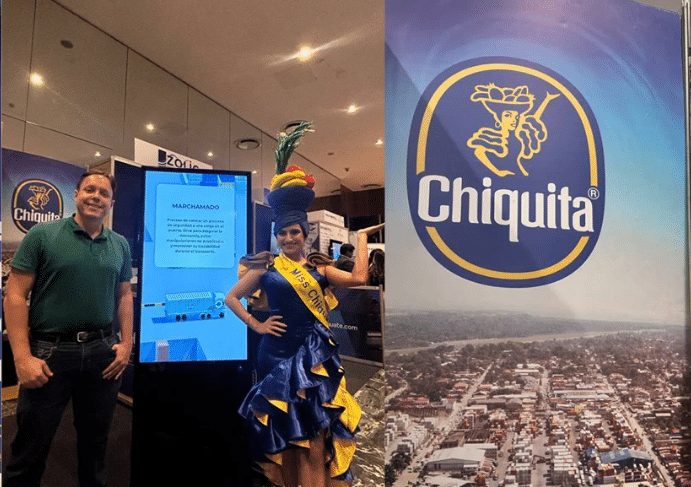
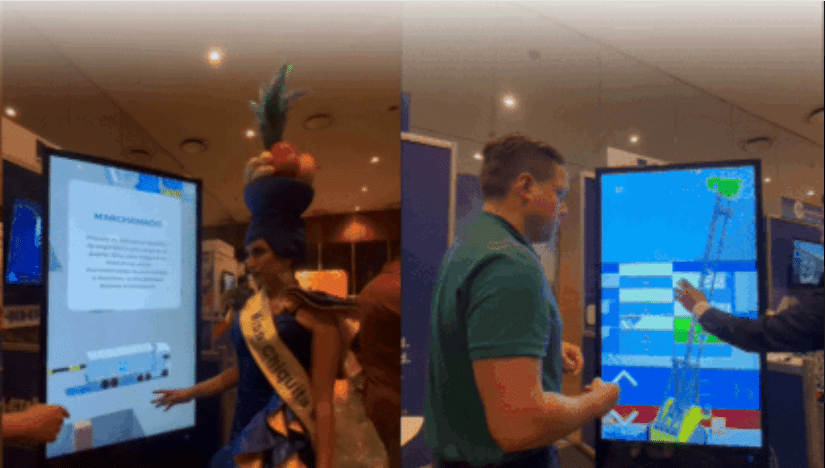
Interactive Experiences and Gamification Gamified experiences have proven to be a powerful tool to increase audience participation. When a person actively interacts with a brand through games or digital dynamics, the experience stops being passive and becomes something much more memorable. Interaction helps strengthen the emotional bond and allows the brand’s message to have a more lasting impact.
Why Brands Are Betting on Technological Experiences
Companies are beginning to understand that modern marketing is no longer just about selling products; it is about creating experiences that people want to remember. The combination of storytelling and technology allows brands to:
Drive Higher Engagement People interact more with content that surprises, entertains, or emotionally involves them.
Create Memorable Experiences When an experience successfully sparks emotions, it is more likely to stay in the consumer’s memory.
Strengthen Brand Recall Technological experiences help differentiate a brand in an environment saturated with content.
Build a Deeper Emotional Connection Immersive stories allow people to identify more easily with a brand’s values and messages.
The Future of Brand Storytelling
The future of communication between brands and consumers will be increasingly linked to technology. The combination of immersive experiences, virtual reality, artificial intelligence, interactive content, and CGI will continue to transform the way companies tell stories.
People no longer just want to consume content; they want to live experiences, interact, and feel part of something bigger. Brands that understand this shift will have greater opportunities to connect with their audiences in a more authentic and meaningful way.
In the coming years, storytelling will evolve from traditional campaigns toward completely immersive experiences, where emotion and interaction will be at the core of communication.
Conclusion
Brands are redefining how they tell stories thanks to technology. Through immersive experiences, virtual reality, CGI content, and interactive dynamics, companies are creating new ways to emotionally connect with their audiences and build much more memorable experiences.
At Hyper Reality Company we develop immersive experiences, CGI content, and technological solutions to help brands tell stories in a more innovative, memorable, and interactive way
Discover how brands are using immersive technology, interactive experiences, and digital content to tell more memorable stories and build better connections with their audiences.
How Brands Are Telling Stories Through Technology
For years, brands focused primarily on promoting products and services through traditional advertisements. However, consumer behavior has evolved. Today, people are no longer just looking to buy something; they seek experiences, emotions, and authentic connections with brands.
In an environment where attention spans last only a few seconds, capturing interest has become an increasingly greater challenge. For this reason, many companies have begun transforming the way they communicate, betting on something much more powerful: telling stories that emotionally connect with people.
Storytelling is no longer just about advertising messages. Today, technology has made it possible to take these stories to a new level through immersive experiences, interactive content, and digital tools capable of building much more memorable connections.
From virtual reality to gamified experiences, CGI, and interactive activations, brands are discovering new ways to connect with their audiences through experiences that drive emotion, participation, and recall.
The Power of Storytelling for Brands
People connect with stories much more than with traditional advertising. A good story has the power to generate emotions, build trust, and ensure a brand stays in the consumer’s mind. When a company successfully conveys a message through a meaningful experience, the impact is much greater than that of a conventional advertisement.
Storytelling helps brands to:
Generate emotional connections.
Humanize the brand.
Increase recall.
Create more authentic experiences.
Differentiate themselves from the competition.
However, the way we tell stories has also evolved. People no longer just want to watch a story; they want to live it.
How Technology Is Transforming Storytelling
Technology has changed the way brands communicate their messages. Today, it is no longer just about displaying attractive visual content; it is about creating experiences that allow people to interact, participate, and feel part of the story. Thanks to digital tools, companies can build much more immersive and participatory narratives.
Immersive Experiences Immersive experiences allow people to interact more closely with a brand. Instead of just viewing content, users can explore, experiment, and live a story from a more interactive perspective, generating a stronger emotional connection. These types of experiences help create memorable moments and significantly increase brand recall.
Virtual Reality Virtual Reality has opened up new opportunities for brands to create much more engaging experiences. Through virtual environments, people can interact with products, spaces, or concepts even before experiencing them in real life. This technology allows for much more impactful stories because it turns the user into part of the experience.
3D Content and CGI The use of 3D content and CGI has also revolutionized the way brands tell stories. Today, many companies use hyper-realistic visuals to capture attention and convey messages in a much more creative way. From viral campaigns to product launches, CGI enables the creation of visual experiences that drive surprise and engagement.
Interactive Experiences and Gamification Gamified experiences have proven to be a powerful tool to increase audience participation. When a person actively interacts with a brand through games or digital dynamics, the experience stops being passive and becomes something much more memorable. Interaction helps strengthen the emotional bond and allows the brand’s message to have a more lasting impact.
Why Brands Are Betting on Technological Experiences
Companies are beginning to understand that modern marketing is no longer just about selling products; it is about creating experiences that people want to remember. The combination of storytelling and technology allows brands to:
Drive Higher Engagement People interact more with content that surprises, entertains, or emotionally involves them.
Create Memorable Experiences When an experience successfully sparks emotions, it is more likely to stay in the consumer’s memory.
Strengthen Brand Recall Technological experiences help differentiate a brand in an environment saturated with content.
Build a Deeper Emotional Connection Immersive stories allow people to identify more easily with a brand’s values and messages.
The Future of Brand Storytelling
The future of communication between brands and consumers will be increasingly linked to technology. The combination of immersive experiences, virtual reality, artificial intelligence, interactive content, and CGI will continue to transform the way companies tell stories.
People no longer just want to consume content; they want to live experiences, interact, and feel part of something bigger. Brands that understand this shift will have greater opportunities to connect with their audiences in a more authentic and meaningful way.
In the coming years, storytelling will evolve from traditional campaigns toward completely immersive experiences, where emotion and interaction will be at the core of communication.
Conclusion
Brands are redefining how they tell stories thanks to technology. Through immersive experiences, virtual reality, CGI content, and interactive dynamics, companies are creating new ways to emotionally connect with their audiences and build much more memorable experiences.
At Hyper Reality Company we develop immersive experiences, CGI content, and technological solutions to help brands tell stories in a more innovative, memorable, and interactive way