3D Advertising: The Mistake of Not Going Immersive This Year
3D Advertising: The Mistake of Not Going Immersive This Year Discover why technology isn´t generating results for your brand and the key mistakes you must avoid to use it effectively. Techonolohy has become one of the most widely used tools in modern marketing. From augmented realit to inmersive experiences, many brands aim to stand out through innovation, hoewever, not all of them achieve real results. ¿Why does this happen? The problem isn´t the technology-it´s how it´s being used, without a clear strategy, even the most advanced tools can fail, in this article, you´ll understand the mistakes tha are holdeing your brand back and how to avoid them to turn technology into a real advantage. Why isn´t technology working? Many brands believe that simply implementing something innovate is enough to create impact, but the truth is, technology only amplifies what already exist, without a clear message or denifed goal, results won´t follow. Mistake #1: Lack of clear objetives One of the most common mistakes is using technology without knowing what you want to achieve. This leads to visually appealing campaigns with no real direction. Before excuting, it´s essential to define wether your goal is brand awareness, engagment, or sales. Whitout that focus, efforts lose their effectiveness. Mistake #2: Focusing only on visuals A campaing can look amazing, but that doesn´t guarantee results, when everything revolves around visual impact without a stong mesage, the connection with the audience gets lost. Brands that truly stand out are those combine creativity with a clear story. Mistake #3: Poor user experience Technology should simplify, not complicate, if an experience is confusing or requires too much effort, users will simply leave. The key is to keep interactions simple, intuitive, and optimized for mobile devices. Mistake #4: Lack of focus on results Another common mistake is lauching campaigns without measuring their perfomance, without data, there´s no way to know what´s working and what isn´t. Analyzing metrices allows you to adjust your strategy and continuosly improve. How to make technology actually work The difference isn´t in using more techonoly, nut in using it with purpose, when there´s a clear goal, a strong idea, and a well-designed experience, results start to change. Technology stops being just a visual tool and become a driver of real growth. Conclusion Technology is not the solution-it´s the tool, what truly defines success is the strategy behind it. Avoiding these mistakes allows brands t transform empty campaigns into experiences that deliver real results. In an enviroment when everyone is trying to stand out, the winner isn´t the one who uses more technology, but one who uses it better. At Hyperreality Company, we create strategies that turn innovation into real outcomes. Discover more: https://hyperrealitycompany.com/
Why is interactive marketing replacing traditional marketing?

Interactive Marketing: The end of the era of interruption. Why is interactive marketing replacing traditional marketing? In a saturated market, traditional marketing has become background noise that consumers have learned to ignore. While conventional ads act as a one-way monologue, interactive marketing opens a conversation where the customer has total control over the experience. This transition is not just a trend; it is the response to an audience that no longer wants to be sold to, but wants to actively participate in their own buying process. Moving from static formats to dynamic experiences allows the emotional connection to strengthen and the sales cycle to accelerate drastically, maximizing the real impact of your business. In this article, we will explore why interaction is replacing interruption and how this evolution is the key to leading your sector. The Impact of Interaction on Business Results Interactive marketing is redefining commercial success by transforming passive attention into real commitment. The impact is tangible in critical metrics: From Interruption to Invitation: Unlike traditional marketing that interrupts the user, interactive marketing invites them to explore, achieving a much deeper connection. Real-Time Data: Interactive experiences allow you to measure exactly what interests the user, optimizing return on investment (ROI) immediately. Personalization at Scale: Each interaction allows the user to live a unique experience based on their decisions, something impossible in a traditional video ad. High-Impact Use Cases Product Configurators with Technology: Instead of static photos, allow customers to customize and view their product from any angle, eliminating doubts before the purchase. Branching Digital Narratives: Create stories where the user chooses the next step, turning a simple brand message into a memorable adventure. Optimization for Featured Snippets Why is interactive marketing better than traditional marketing? The main benefit is that it removes friction in the buying process. The key points are: Higher Retention: It generates up to 70% more brand recall than traditional formats. Active Participation: It turns the viewer into the protagonist of the story. Commercial Efficiency: It accelerates decision-making by allowing detailed and transparent exploration. Conclusion Interactive marketing is the ultimate tool for your business to stop being ignored and become a destination for your customers. At Hyper Reality Company, we design these experiences so your brand is not just seen, but lived. The goal is to create scenarios where your customers are the protagonists. Is your message still trapped in the past? It’s time to evolve. Discover more at: https://hyperrealitycompany.com
Por qué el marketing interactivo está reemplazando al tradicional
Marketing Interactivo: El fin de la era de la interrupción ¿Por qué el marketing interactivo está reemplazando al tradicional? En un mercado saturado, el marketing tradicional se ha convertido en ruido de fondo que los consumidores han aprendido a ignorar. Mientras que los anuncios convencionales actúan como un monólogo unidireccional, el marketing interactivo abre una conversación donde el cliente tiene el control total de la experiencia. Esta transición no es solo una tendencia; es la respuesta a una audiencia que ya no quiere que le vendan, sino que quiere participar activamente en su propio proceso de compra. Pasar de formatos estáticos a experiencias dinámicas permite que la conexión emocional se fortalezca y el ciclo de venta se acelere drásticamente, maximizando el impacto real de tu negocio. En este artículo, exploraremos por qué la interacción está reemplazando a la interrupción y cómo esta evolución es la clave para liderar tu sector. El Impacto de la Interacción en los Resultados de Negocio El marketing interactivo está redefiniendo el éxito comercial al transformar la atención pasiva en compromiso real. El impacto es tangible en métricas críticas: De Interrupción a Invitación: A diferencia del marketing tradicional que interrumpe al usuario, el interactivo lo invita a explorar, logrando una conexión mucho más profunda. Datos en Tiempo Real: Las experiencias interactivas permiten medir exactamente qué interesa al usuario, optimizando el retorno de inversión de forma inmediata. Personalización a Escala: Cada interacción permite que el usuario viva una experiencia única basada en sus decisiones, algo imposible en un anuncio de video tradicional. Casos de uso de Alto Impacto: Configuradores de Productos con Teconología: En lugar de fotos estáticas, permite que el cliente personalice y vea su producto desde cualquier ángulo, eliminando las dudas antes de la compra. Narrativas Digitales Branching: Crea historias donde el usuario elige el siguiente paso, convirtiendo un simple mensaje de marca en una aventura memorable. Optimización para Featured Snippets ¿Por qué el marketing interactivo es mejor que el tradicional? El principal beneficio es que elimina la fricción en el proceso de compra. Los puntos clave son: Mayor Retención: Genera hasta un 70% más de recuerdo de marca que los formatos tradicionales. Participación Activa: Convierte al espectador en el protagonista de la historia. Eficiencia Comercial: Acelera la toma de decisiones al permitir una exploración detallada y transparente. Conclusión El marketing interactivo es la herramienta definitiva para que tu negocio deje de ser ignorado y se convierta en un destino para tus clientes. En Hyper Reality Company, diseñamos estas experiencias para que tu marca no solo sea vista, sino vivida. El objetivo es crear escenarios donde tus clientes sean los protagonistas. ¿Tu mensaje sigue atrapado en el pasado? Es momento de evolucionar. Descubre más en: https://hyperrealitycompany.com/
Immersive Storytelling: How to make people live your brand

Immersive Storytelling: Make them live your brand! Is your brand a destination or just another ad? In a world where consumers are bombarded with thousands of ads daily, standing out requires more than just a good product; it requires a story they can step into. Traditional marketing tells you a story, but immersive storytelling invites you to live it. Did you know that immersive experiences can generate up to 70% more memory retention than traditional video ads? Moving from passive browsing to active experience is not just an aesthetic trend; it is a necessary evolution to connect with an audience that demands authenticity and control. When a user stops being a spectator and becomes the protagonist, the emotional connection strengthens and the sales cycle accelerates drastically, maximizing the real impact of your business. In this article, we will explore how digital narratives are redefining customer engagement and why interactive experiences are the key to maximizing your business impact. The Impact of Immersion on Business Results Immersive storytelling is redefining commercial success due to its ability to influence consumer behavior. According to recent market studies, the impact is tangible across several critical metrics: Increase in Conversion: Brands that utilize storytelling through Augmented Reality (AR) report conversion rates up to 94% higher, as interaction eliminates doubts about the product. Brand Retention (Recall): By interacting with a 3D object, the brain processes information similarly to a physical experience, ensuring the brand message lasts much longer in the user’s memory. Reduced Bounce Rate: Websites that integrate immersive narratives manage to keep users on the page up to 3 times longer, significantly improving organic positioning. High Impact Use Cases: Complex Product Demonstrations: Instead of static manuals, allow customers to «assemble» or explore the internal workings of a product through a guided narrative. Brand Values Tour: Virtual spaces where every interaction reveals a company milestone, turning the «About Us» section into an explorable adventure. Optimization for Featured Snippets What is the benefit of immersive storytelling for brands? The primary benefit is the transformation of passive attention into active participation. The key points of its impact are: Higher Engagement: It generates a deep emotional connection by allowing for personalization. Purchase Confidence: It reduces uncertainty by allowing for detailed 3D exploration. Differentiation: It positions the business as an innovative leader against traditional competitors. Conclusion Immersive storytelling is the ultimate tool for turning traffic into a loyal community. By allowing people to live your brand instead of just seeing it, you build a level of trust that translates directly into growth. At Hyper Reality Company, we design these experiences so you don’t just use advanced technology, but create an unbreakable commercial bond through immersion. The final goal is clear: to create stages where your customers are the protagonists of your story. Is your message still trapped in a static format? It’s time to give your audience an experience they will never forget. Discover more at: https://hyperrealitycompany.com/
Storytelling Inmersivo: cómo hacer que las personas vivan tu marca
Storytelling Inmersivo: ¡Haz que vivan tu marca! ¿Es tu marca un destino o solo un anuncio más? En un mundo donde los consumidores son bombardeados con miles de anuncios diarios, destacar requiere más que un buen producto; requiere una historia en la que puedan entrar. El marketing tradicional te cuenta una historia, pero el storytelling inmersivo te invita a vivirla. ¿Sabías que las experiencias inmersivas pueden generar hasta un 70% más de retención de memoria que los anuncios de video tradicionales? Pasar de la navegación pasiva a la experiencia activa no es solo una tendencia estética; es una evolución necesaria para conectar con una audiencia que exige autenticidad y control. Cuando un usuario deja de ser un espectador para convertirse en protagonista, la conexión emocional se fortalece y el ciclo de venta se acelera drásticamente, maximizando el impacto real de tu negocio. En este artículo, exploraremos cómo las narrativas digitales están redefiniendo el compromiso del cliente y por qué el las experiencias interactivas son la clave para maximizar el impacto de tu negocio. El Impacto de la Inmersión en los Resultados de Negocio El storytelling inmersivo está redefiniendo el éxito comercial gracias a su capacidad para influir en el comportamiento del consumidor. Según estudios de mercado recientes, el impacto es tangible en varias métricas críticas: Incremento en la Conversión: Las marcas que utilizan storytelling a través de Realidad Aumentada (AR) reportan tasas de conversión hasta un 94% más altas, ya que la interacción elimina las dudas sobre el producto. Retención de Marca (Recall): Al interactuar con un objeto en 3D, el cerebro procesa la información de forma similar a una experiencia física, logrando que el mensaje de marca perdure mucho más tiempo en la memoria. Reducción del Rebote: Los sitios web que integran narrativas inmersivas logran que los usuarios permanezcan en la página hasta 3 veces más tiempo, mejorando el posicionamiento orgánico. Casos de uso de Alto Impacto: Demostraciones de Producto Complejas: En lugar de manuales, permite que el cliente «arme» o explore el funcionamiento interno de un producto mediante una narrativa guiada. Tour de Valores de Marca: Espacios virtuales donde cada interacción revela un hito de la empresa, convirtiendo el «Acerca de nosotros» en una aventura explorable. Optimización para Featured Snippets ¿Cuál es el beneficio del storytelling inmersivo para las marcas? El principal beneficio es la transformación de la atención pasiva en participación activa. Los puntos clave de su impacto son: Mayor Engagement: Genera una conexión emocional profunda al permitir la personalización. Confianza en la Compra: Reduce la incertidumbre al permitir una exploración detallada en 3D. Diferenciación: Posiciona al negocio como líder innovador frente a competidores tradicionales. Conclusión El storytelling inmersivo es la herramienta definitiva para convertir el tráfico en una comunidad fiel. Al permitir que las personas vivan tu marca en lugar de solo verla, construyes un nivel de confianza que se traduce directamente en crecimiento. En Hyper Reality Company, diseñamos estas experiencias para que no solo uses tecnología avanzada, sino que crees un vínculo comercial inquebrantable a través de la inmersión. El objetivo final es claro: crear escenarios donde tus clientes sean los protagonistas de tu historia. ¿Tu mensaje sigue atrapado en un formato estático? Es momento de darle a tu audiencia una experiencia que jamás olvidará. Descubre más en: https://hyperrealitycompany.com/
Why Premium Brands Bet on Immersive Experiences
Discover why premium brands invest in immersive experiences to differentiate, create value, and strengthen emotional connections with their customers. Immersive experiences have become one of the favorite strategies in high-level branding. Today, premium brands don’t just sell products — they create universes where consumers feel, interact, and remember. But why has this trend become so relevant, and what real benefits does it generate for companies? In this article, you’ll discover how immersive experiences boost perceived value, strengthen customer loyalty, and create differentiation in highly competitive markets. We’ll also explore real examples and strategic insights that explain why this investment has become essential in luxury and high-end marketing. What Are Immersive Experiences in Branding? Immersive experiences are interactions designed to engage consumers in a sensory, emotional, and participatory way, usually through: Technology (augmented reality, VR, interactive installations) Experiential physical spaces Engaging brand narratives Their main goal is to create a deep and memorable connection with the audience. Why Do Premium Brands Invest in Immersive Experiences? 1. They Increase Perceived Value Premium brands sell meaning in addition to functionality. Carefully designed experiences elevate the sense of exclusivity and justify higher prices. Example: digital activations and experiential retail by Apple, where customers try products in an inspiring environment. 2. They Create Stronger Emotional Connections Emotions are key in purchase decisions within premium segments. Experiences allow brands to: Associate the brand with positive feelings Create lasting memories Strengthen aspirational identity Experiential campaigns by Nike show how emotional engagement increases loyalty. 3. Differentiation in Saturated Markets In categories where quality is similar, experience becomes the deciding factor. Premium brands use immersion to stand out from competitors. A clear example is the luxury retail approach of Louis Vuitton, which integrates art, architecture, and storytelling. 4. Greater Recall and Virality Immersive experiences are highly shareable, amplifying organic reach: Users create social media content Conversations emerge around the brand Innovative positioning is reinforced Most Common Types of Immersive Experiences Digital Experiences Augmented reality in stores Interactive virtual events Digital showrooms Physical Experiences Sensory pop-ups Interactive installations Experiential flagship stores Hybrid Experiences Events with digital layers Apps that complement in-person experiences Strategic Benefits for Brands Greater competitive differentiation Increased perceived value Customer loyalty Organic content generation Positioning as an innovative brand Why do premium brands use immersive experiences? Because they increase perceived value, create emotional connections, differentiate the brand, and improve customer recall through memorable interactions. Immersive experiences have evolved from a one-off innovation into a strategic pillar of premium branding. They enable brands to build deep emotional relationships, elevate perceived value, and stand out in competitive environments where experience matters as much as the product. In a market where attention is scarce, brands that engage audiences in memorable ways are the ones that stay top of mind — and top of preference. Do you want to design an immersive experience strategy for your brand? Analyze your customer journey and identify moments where you can turn an interaction into a memorable experience. If you’d like, I can help you structure a step-by-step framework.
Por qué las marcas premium apuestan por experiencias inmersivas
Descubre por qué las marcas premium invierten en experiencias inmersivas para diferenciarse, generar valor y fortalecer la conexión emocional con sus clientes. Las experiencias inmersivas se han convertido en una de las estrategias favoritas del branding de alto nivel. Hoy, las marcas premium no solo venden productos: crean universos donde el consumidor siente, interactúa y recuerda. Pero, ¿por qué esta tendencia se ha vuelto tan relevante y qué beneficios reales genera para las empresas? En este artículo descubrirás cómo las experiencias inmersivas impulsan la percepción de valor, fortalecen la lealtad del cliente y generan diferenciación en mercados altamente competitivos. Además, veremos ejemplos reales y claves estratégicas que explican por qué esta inversión se ha vuelto esencial en el marketing de lujo y alta gama. ¿Qué son las experiencias inmersivas en branding? Las experiencias inmersivas son interacciones diseñadas para involucrar al consumidor de forma sensorial, emocional y participativa, generalmente mediante: Tecnología (realidad aumentada, VR, instalaciones interactivas) Espacios físicos experienciales Narrativas de marca envolventes Su objetivo principal es crear una conexión profunda y memorable con el público. ¿Por qué las marcas premium invierten en experiencias inmersivas? 1. Incrementan la percepción de valor Las marcas premium venden significado además de funcionalidad. Experiencias cuidadosamente diseñadas elevan la sensación de exclusividad y justifican precios más altos. Ejemplo: activaciones digitales y retail experiencial de Apple, donde el cliente prueba el producto en un entorno diseñado para inspirar. 2. Generan conexiones emocionales más fuertes Las emociones son clave en la decisión de compra en segmentos premium. Las experiencias permiten: Asociar la marca con sensaciones positivas Crear recuerdos duraderos Fortalecer la identidad aspiracional Campañas experienciales de Nike demuestran cómo el engagement emocional aumenta la lealtad. 3. Diferenciación en mercados saturados En categorías donde la calidad es similar, la experiencia se convierte en el factor decisivo. Las marcas premium usan la inmersión para destacar frente a competidores. Un ejemplo es el retail de lujo de Louis Vuitton, que integra arte, arquitectura y storytelling. 4. Mayor recordación y viralidad Las experiencias inmersivas son altamente compartibles, lo que amplifica el alcance orgánico: Los usuarios generan contenido en redes sociales Se crea conversación alrededor de la marca Se refuerza el posicionamiento innovador Tipos de experiencias inmersivas más utilizadas Experiencias digitales Realidad aumentada en tiendas Eventos virtuales interactivos Showrooms digitales Experiencias físicas Pop-ups sensoriales Instalaciones interactivas Flagship stores experienciales Experiencias híbridas Eventos con capas digitales Apps que complementan la experiencia presencial Beneficios estratégicos para la marca Mayor diferenciación competitiva Incremento del valor percibido Fidelización del cliente Generación de contenido orgánico Posicionamiento como marca innovadora ¿Por qué las marcas premium usan experiencias inmersivas? Porque aumentan la percepción de valor, generan conexiones emocionales, diferencian la marca y mejoran la recordación del consumidor mediante interacciones memorables. Las experiencias inmersivas han pasado de ser una innovación puntual a un pilar estratégico del branding premium. Permiten construir relaciones emocionales profundas, elevar la percepción de valor y diferenciarse en un entorno competitivo donde la experiencia pesa tanto como el producto. En un mercado donde la atención es limitada, las marcas que logran involucrar a sus audiencias de forma memorable son las que permanecen en la mente —y en la preferencia— del consumidor. ¿Quieres diseñar una estrategia de experiencia inmersiva para tu marca? Analiza tu customer journey e identifica los momentos donde puedes transformar una interacción en una experiencia memorable. Si quieres, puedo ayudarte a estructurar un framework paso a paso.
Cómo saber si una experiencia inmersiva realmente está funcionando
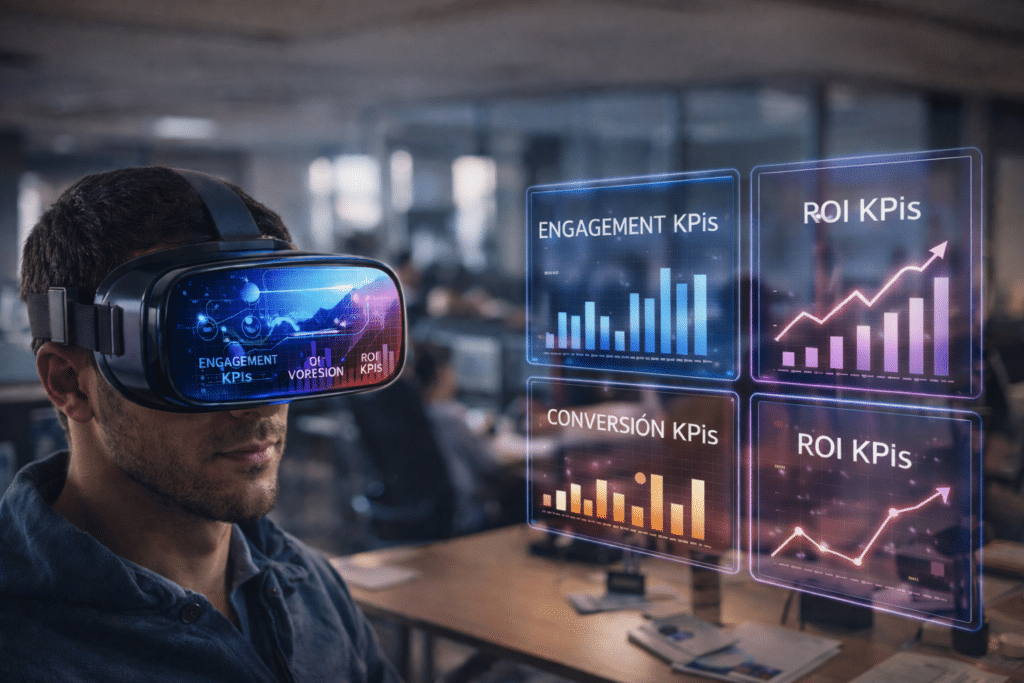
Descubre cómo medir si una experiencia inmersiva realmente está funcionando. Analizamos los KPIs clave de engagement, conversión y ROI para transformar creatividad en resultados de negocio. Las experiencias inmersivas se han convertido en una de las herramientas más potentes del marketing actual espacios interactivos, tecnología envolvente, narrativas multisensoriales… todo diseñado para generar impacto. Pero la pregunta clave no es si impresiona. La verdadera pregunta es: ¿está generando resultados? Muchas marcas confunden impacto visual con impacto estratégico. Sin embargo, una experiencia inmersiva solo es exitosa cuando puede medirse, optimizarse y vincularse a objetivos reales de negocio. En este artículo analizamos cómo saber si tu experiencia inmersiva realmente está funcionando y qué KPIs deberías estar midiendo. ¿Qué significa que una experiencia inmersiva “funcione”? Una experiencia inmersiva funciona cuando cumple tres niveles de impacto: 1️⃣ Impacto emocional Genera recuerdo, conexión y diferenciación. 2️⃣ Impacto comportamental Provoca una acción concreta: registro, compra, interacción, recomendación. 3️⃣ Impacto de negocio Contribuye a objetivos estratégicos: ventas, leads, posicionamiento, fidelización o notoriedad. Si solo cumple el primero, es espectáculo.Si cumple los tres, es estrategia. Antes de medir, es imprescindible definir el objetivo principal: Generación de leads Aumento de ventas Lanzamiento de producto Reposicionamiento de marca Engagement Fidelización Amplificación en medios Sin objetivo claro, no existe KPI relevante. KPIs clave para medir una experiencia inmersiva 🎯 KPIs de engagement Miden la calidad de la interacción con la experiencia. Tiempo medio de permanencia Tasa de finalización del recorrido Número de interacciones por usuario Participación activa en dinámicas Repetición de visita Un alto tráfico con baja permanencia suele indicar fricción narrativa o falta de conexión. 📊 KPIs de conversión Son los que conectan la experiencia con resultados reales de negocio. Leads generados Tasa de registro Ventas directas o asistidas Descargas o suscripciones Solicitudes comerciales CTR en activaciones digitales asociadas Aquí es donde se diferencia una experiencia atractiva de una que realmente impulsa resultados. ❤️ KPIs de percepción de marca Más cualitativos, pero fundamentales. NPS (Net Promoter Score) Encuestas post-experiencia Cambio en percepción de atributos de marca Brand lift El objetivo no es solo gustar, sino reforzar posicionamiento y preferencia. La medición se diseña antes, no después Uno de los errores más comunes es intentar medir cuando todo ha terminado. La medición debe integrarse desde la fase conceptual. Antes de lanzar Definir objetivos SMART. Establecer KPIs cuantitativos y cualitativos. Durante la experiencia Monitorizar en tiempo real. Detectar fricciones Después Analizar datos. Comparar con benchmarks. Creatividad y rendimiento no son opuestos Existe un mito peligroso: que medir limita la creatividad. En realidad, sucede lo contrario. Las mejores experiencias inmersivas combinan: Narrativa potente Tecnología estratégica Diseño emocional conclusión Una experiencia inmersiva no se mide por lo espectacular que parece, sino por lo estratégicamente que impacta. El verdadero éxito no está en la tecnología utilizada, sino en su capacidad para generar conexión, acción y resultados medibles. Porque lo inmersivo no debería ser solo memorable debería ser rentable. Las experiencias inmersivas no deberían evaluarse por lo impactantes que parecen, sino por lo que generan. En Hyper diseñamos experiencias con una arquitectura estratégica detrás: objetivos claros, métricas definidas y sistemas de medición integrados desde el concepto. Porque lo verdaderamente innovador no es la tecnología.Es convertirla en resultados.
3D interactivo sin fricción: cómo usarlo sin arruinar la experiencia
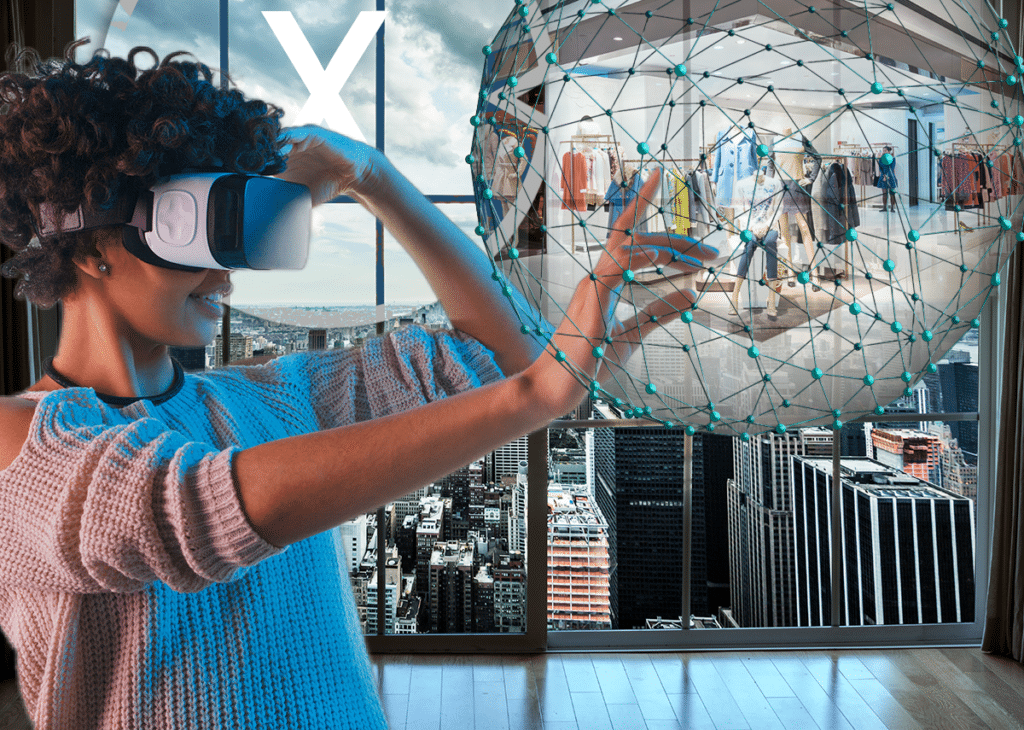
3D Interactivo sin Fricción: Guía para no Arruinar la Experiencia ¿Qué significa una experiencia 3D? El modelo de navegación tradicional ha muerto. Hoy, el usuario no quiere «ver» un catálogo; quiere experimentar el producto antes de que llegue a su puerta. Sin embargo, muchas marcas fallan al implementar tecnologías 3D pesadas que, en lugar de ayudar, frustran al cliente con tiempos de carga eternos. En Hyper Reality Company, hemos perfeccionado el equilibrio entre impacto visual y rendimiento técnico. La interactividad no es un adorno estético, es el motor que transforma a un visitante curioso en un comprador decidido. Al eliminar la fricción técnica, permitimos que la psicología humana tome el mando: cuando alguien interactúa con un objeto en un entorno digital fluido, la distancia entre el deseo y la posesión se reduce a cero. En este artículo, te explicaremos cómo diseñamos estas conexiones inquebrantables que maximizan el retorno de tu inversión publicitaria. Sesgos psicológicos que impulsan la venta Para que una estrategia 3D sea rentable, debe apoyarse en pilares psicológicos que incentiven la acción inmediata del usuario: 1. Sentido de Posición Al permitir que el cliente personalice y manipule un producto, su cerebro comienza a tratar el objeto como propio incluso antes de pagarlo. 2. Claridad en la Toma de Decisiones Las herramientas interactivas actúan como un filtro que elimina el ruido, reduciendo la ansiedad que produce elegir entre demasiadas opciones complejas. 3. Retención Orgánica Un usuario que se divierte explorando tu web es un usuario que no se va. Esto no solo mejora la imagen de marca, sino que envía señales poderosas a Google de que tu contenido es valioso. Soluciones de Alto Impacto Configuradores a medida: Ideales para sectores donde el detalle es ley; aumentan la confianza del comprador y desploman la tasa de devoluciones. Entornos WebAR:La capacidad de proyectar un producto en el espacio físico del usuario sin instalar aplicaciones es, actualmente, el atajo más rápido hacia la conversión. Optimización para Featured Snippets ¿Cómo evitar que el 3D arruine la experiencia de usuario? La clave está en la optimización invisible que aplicamos en Hyper Reality Company: Priorizar los Core Web Vitals: El código interactivo debe ser ligero para no penalizar la velocidad de carga. Trazabilidad total: Implementamos eventos de medición para saber exactamente qué clics están generando retorno. Accesibilidad y SEO: Cada modelo incluye descripciones semánticas (Alt Text) para que los buscadores entiendan qué estás vendiendo. Fluidez Táctil: Diseño pensado exclusivamente para que la experiencia sea igual de mágica en un iPhone que en un ordenador de escritorio. Conclusión Las experiencias interactivas que convierten son aquellas que respetan el tiempo y la intención del usuario. Al eliminar las barreras técnicas, permites que el valor real de tu producto brille sin distracciones. En Hyper Reality Company, el objetivo no es simplemente usar tecnología avanzada, sino crear un vínculo comercial inquebrantable a través de la inmersión y la confianza. ¿Estás listo para dejar de ser un espectador y empezar a liderar tu sector? Transforma tu tráfico en una comunidad de clientes activos y descubre cómo llevar tu negocio a la siguiente dimensión. Descubre más en: https://hyperrealitycompany.com/
Frictionless Interactive 3D: How to Use It Without Ruining the Experience
Frictionless Interactive 3D: A Success Guide What Does a 3D Experience Truly Mean? The traditional browsing model is dead. Today, users don’t just want to «view» a catalog; they want to experience the product before it even reaches their doorstep. However, many brands fail by implementing heavy 3D technologies that, instead of helping, frustrate the customer with eternal loading times. At Hyper Reality Company, we have perfected the balance between visual impact and technical performance. Interactivity is not an aesthetic ornament; it is the engine that transforms a curious visitor into a committed buyer. By eliminating technical friction, we allow human psychology to take the lead: when someone interacts with an object in a fluid digital environment, the distance between desire and possession is reduced to zero. In this article, we will explain how we design these unbreakable connections that maximize the return on your advertising investment. Psychological Biases Driving the Sale For a 3D strategy to be profitable, it must be supported by psychological pillars that incentivize immediate user action: 1. Sense of Ownership By allowing customers to personalize and manipulate a product, their brain begins to treat the object as their own even before they pay for it. 2. Clarity in Decision-Making Interactive tools act as a filter that eliminates noise, reducing the anxiety caused by choosing between too many complex options. 3. Organic Retention A user who has fun exploring your website is a user who stays. This not only improves brand image but also sends powerful signals to Google that your content is valuable. High Impact Solutions Custom Configurators: Ideal for industries where detail is paramount; they increase buyer confidence and cause return rates to plummet. WebAR Environments: The ability to project a product into the user’s physical space without installing any applications is currently the fastest shortcut to conversion. Featured Snippet Optimization How to prevent 3D from ruining the user experience? The key lies in the invisible optimization we apply at Hyper Reality Company: Prioritize Core Web Vitals: Interactive code must be lightweight to avoid penalizing loading speed. Total Traceability: We implement tracking events to know exactly which clicks are generating a return. Accessibility and SEO: Each model includes semantic descriptions (Alt Text) so that search engines understand what you are selling Tactile Fluidity: Design intended exclusively for the experience to be just as magical on an iPhone as it is on a desktop computer. Conclusion Interactive experiences that convert are those that respect the user’s time and intent. By removing technical barriers, you allow the true value of your product to shine without distractions. At Hyper Reality Company, the goal is not simply to use advanced technology, but to create an unbreakable commercial bond through immersion and trust. Are you ready to stop being a spectator and start leading your industry? Transform your traffic into a community of active customers and discover how to take your business to the next dimension. Discover more at: https://hyperrealitycompany.com/
