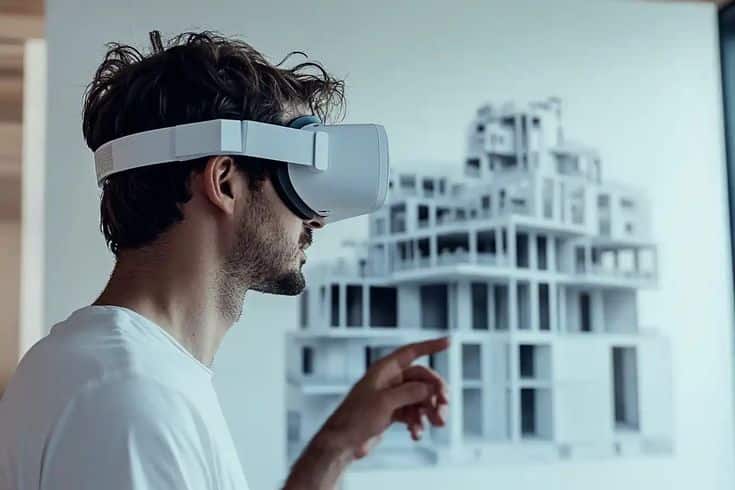
Immersive Experiences for Universities

One of the biggest challenges universities face is keeping students engaged. Immersive experiences offer a new way to teach by combining technology and interactivity to create a more engaging, participatory, and effective learning experience.

Immersive Experiences for Universities: A New Way to Teach and Learn

Education is evolving. Universities are no longer competing solely by offering high-quality academic programs—they are also striving to provide innovative learning experiences that prepare students for an increasingly technology-driven world. In this context, immersive experiences have become a powerful tool for transforming education.

What Are Immersive Experiences?

Immersive experiences combine technologies such as Augmented Reality (AR), Virtual Reality (VR), 3D content, and interactive projections to create environments where students can learn through hands-on participation and exploration.

Instead of simply listening to a lecture, students can interact with content, explore virtual environments, and understand complex concepts in a far more visual and engaging way.

Why Are Universities Adopting These Technologies?

Today’s students have grown up surrounded by technology and expect more interactive learning methods. Implementing immersive experiences not only increases classroom engagement but also helps universities stand out by offering greater value to their students.

Some of the key benefits include:

  • Increased student engagement.
  • Better understanding of complex concepts.
  • Hands-on, experiential learning.
  • Improved knowledge retention.
  • More engaging and memorable educational experiences.

Applications of Immersive Experiences in Universities

The possibilities are extensive and can be adapted to virtually any academic discipline.

Healthcare Simulations

Students can practice medical procedures and clinical scenarios in virtual environments before working with real patients, helping them build confidence while reducing risks.

3D Visualization

Programs such as architecture, engineering, and design can explore life-sized 3D models, making it easier to understand structures, spaces, and complex processes.

Virtual Laboratories

Universities can recreate laboratory experiments in digital environments, allowing students to practice without the limitations of physical lab space or equipment.

Immersive Campus Tours

Prospective students can explore university facilities through virtual tours before ever setting foot on campus.

Interactive Experiences for University Events

Immersive technologies can also enhance open houses, education fairs, and institutional events, creating memorable experiences that capture the attention of prospective students.

Benefits for Educational Institutions

Beyond improving learning outcomes, immersive technologies strengthen a university’s image as an innovative institution.

Implementing immersive experiences helps universities:

  • Differentiate themselves from competitors.
  • Attract prospective students.
  • Modernize educational environments.
  • Increase participation during events.
  • Strengthen their reputation through technological innovation.

The Future of Education Is Interactive

Technology is not replacing educators—it is providing them with new tools to teach more effectively.

Immersive experiences transform complex concepts into practical activities, spark curiosity, and create learning environments that are more engaging, interactive, and motivating.

As higher education continues to evolve, technologies such as augmented reality, virtual reality, and interactive digital content are becoming essential components of modern learning.

Bring Innovation to Your University

At Hyper Reality Company, we develop customized immersive experiences for educational institutions using augmented reality, virtual reality, 3D content, interactive projections, and other innovative technologies that transform the way students learn and engage with knowledge.

If your university is looking to deliver a truly innovative educational experience, we can help you design a solution tailored to your academic and technological goals.

Conclusion

The future of education will depend not only on the knowledge being taught, but also on how students experience it. Immersive experiences create more dynamic, engaging, and memorable learning environments, where technology becomes a powerful tool to spark curiosity and deepen understanding.

At Hyper Reality Company we develop immersive solutions using augmented reality, virtual reality, 3D content, and interactive projections that help universities innovate, stand out, and deliver educational experiences that prepare students for the challenges of tomorrow.

Facebook
Twitter
LinkedIn

Contactanos:

Immersive Experiences for Universities

Immersive Experiences for Universities

One of the biggest challenges universities face is keeping students engaged. Immersive experiences offer a new way to teach by combining technology and interactivity to create a more engaging, participatory, and effective learning experience.

Immersive Experiences for Universities: A New Way to Teach and Learn

Education is evolving. Universities are no longer competing solely by offering high-quality academic programs—they are also striving to provide innovative learning experiences that prepare students for an increasingly technology-driven world. In this context, immersive experiences have become a powerful tool for transforming education.

What Are Immersive Experiences?

Immersive experiences combine technologies such as Augmented Reality (AR), Virtual Reality (VR), 3D content, and interactive projections to create environments where students can learn through hands-on participation and exploration.

Instead of simply listening to a lecture, students can interact with content, explore virtual environments, and understand complex concepts in a far more visual and engaging way.

Why Are Universities Adopting These Technologies?

Today’s students have grown up surrounded by technology and expect more interactive learning methods. Implementing immersive experiences not only increases classroom engagement but also helps universities stand out by offering greater value to their students.

Some of the key benefits include:

  • Increased student engagement.
  • Better understanding of complex concepts.
  • Hands-on, experiential learning.
  • Improved knowledge retention.
  • More engaging and memorable educational experiences.

Applications of Immersive Experiences in Universities

The possibilities are extensive and can be adapted to virtually any academic discipline.

Healthcare Simulations

Students can practice medical procedures and clinical scenarios in virtual environments before working with real patients, helping them build confidence while reducing risks.

3D Visualization

Programs such as architecture, engineering, and design can explore life-sized 3D models, making it easier to understand structures, spaces, and complex processes.

Virtual Laboratories

Universities can recreate laboratory experiments in digital environments, allowing students to practice without the limitations of physical lab space or equipment.

Immersive Campus Tours

Prospective students can explore university facilities through virtual tours before ever setting foot on campus.

Interactive Experiences for University Events

Immersive technologies can also enhance open houses, education fairs, and institutional events, creating memorable experiences that capture the attention of prospective students.

Benefits for Educational Institutions

Beyond improving learning outcomes, immersive technologies strengthen a university’s image as an innovative institution.

Implementing immersive experiences helps universities:

  • Differentiate themselves from competitors.
  • Attract prospective students.
  • Modernize educational environments.
  • Increase participation during events.
  • Strengthen their reputation through technological innovation.

The Future of Education Is Interactive

Technology is not replacing educators—it is providing them with new tools to teach more effectively.

Immersive experiences transform complex concepts into practical activities, spark curiosity, and create learning environments that are more engaging, interactive, and motivating.

As higher education continues to evolve, technologies such as augmented reality, virtual reality, and interactive digital content are becoming essential components of modern learning.

Bring Innovation to Your University

At Hyper Reality Company, we develop customized immersive experiences for educational institutions using augmented reality, virtual reality, 3D content, interactive projections, and other innovative technologies that transform the way students learn and engage with knowledge.

If your university is looking to deliver a truly innovative educational experience, we can help you design a solution tailored to your academic and technological goals.

Conclusion

The future of education will depend not only on the knowledge being taught, but also on how students experience it. Immersive experiences create more dynamic, engaging, and memorable learning environments, where technology becomes a powerful tool to spark curiosity and deepen understanding.

At Hyper Reality Company we develop immersive solutions using augmented reality, virtual reality, 3D content, and interactive projections that help universities innovate, stand out, and deliver educational experiences that prepare students for the challenges of tomorrow.

Facebook
Twitter
LinkedIn
Facebook
Twitter
LinkedIn

Contactanos:

Contactanos: