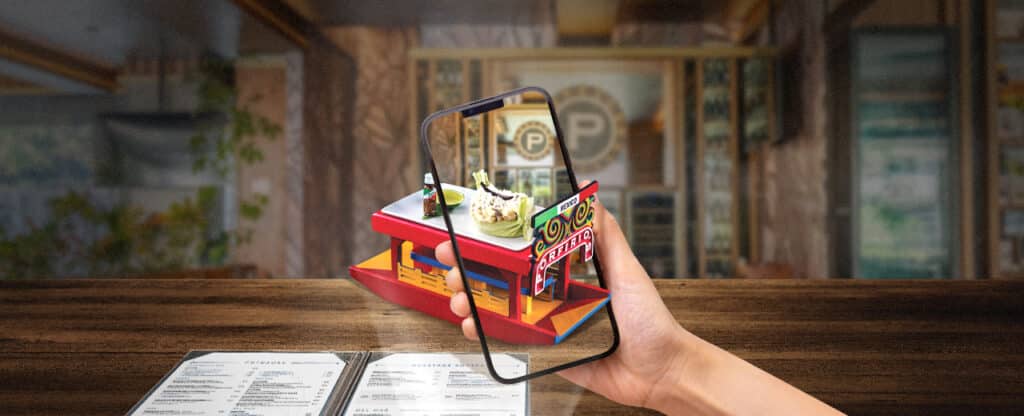
Discover how 3D experiences are revolutionizing brand marketing, generating greater visual impact, higher engagement, and memorable connections with audiences
How 3D Experiences Are Transforming Brand Marketing
In a world where people are constantly exposed to digital content, capturing attention has become one of the greatest challenges for brands. Traditional advertisements no longer always generate the same impact, and companies are looking for new ways to stand out in an increasingly competitive environment.
This is exactly where 3D experiences have begun to transform marketing. Thanks to technologies like CGI, hyper-realistic renders, and immersive content, brands can now create visually stunning campaigns that not only grab attention but also build a more memorable connection with audiences.
From viral social media campaigns to immersive experiences and product launches, 3D is changing the way brands tell stories and connect with their consumers.
What Are 3D Experiences?
3D experiences are digital visual representations that allow products, spaces, or concepts to be displayed in a more dynamic, interactive, and realistic way.
Unlike traditional photo or video content, 3D enables the creation of much more immersive visual experiences, where users can interact with or view elements from entirely new perspectives.
Currently, brands use 3D experiences for:
Product launches.
Immersive advertising campaigns.
CGI experiences for social media.
Virtual showrooms.
Brand activations.
High-impact visual content.
The goal is to generate experiences that capture attention immediately and create a much stronger brand recall.
Why Brands Are Betting on 3D
More and more companies are integrating 3D experiences into their marketing strategies because they offer an innovative way to stand out from the competition.
Greater Visual Impact 3D content has the ability to capture attention much faster. People are naturally drawn to unique visual experiences, especially when they seem to defy reality.
Higher Engagement Campaigns with 3D elements usually generate more interaction on social media, as people tend to share creative, surprising, and innovative content.
Better Brand Recall When a brand offers a unique visual experience, it is more likely to stay in the consumer’s mind for a longer period of time.
Competitive Differentiation Companies that adopt new technologies like CGI and 3D experiences successfully project a more innovative and modern image.

How 3D Is Transforming Marketing
The use of 3D has evolved rapidly and is currently present in different types of campaigns and brand experiences.
Product Launches Many brands use 3D visualizations to present new products in a high-impact way, allowing them to showcase details, functionalities, and designs from unique perspectives.
FOOH (Fake Out of Home) Campaigns 3D has driven the growth of FOOH campaigns, where hyper-realistic visual effects make giant or surprising elements appear in real-world spaces, generating massive virality on social media.
Immersive Experiences Brands also use 3D content within immersive experiences to better connect with their customers during events, brand activations, or digital experiences.
Virtual Showrooms Some companies allow users to explore products or spaces in virtual environments, enhancing the customer experience and streamlining purchasing decisions.
Conclusion
3D experiences are no longer a trend of the future; they are a powerful tool transforming the way brands do marketing. From visually stunning campaigns to immersive experiences, 3D generates higher engagement, differentiation, and brand recall in an increasingly competitive digital environment.
At Hyper Reality Company, we develop 3D experiences, CGI content, and immersive solutions to help brands generate visual impact, innovate, and connect with their audiences in a unique way.