How to Use Augmented Reality to Sell More in Ecommerce

Use AR to Boots Your Sales

LinkedIn

Introduction:

Augmented reality (AR) is changing the way consumers shop online, taking the shopping experience beyond static images and product descriptions. In ecommerce, AR enables the creation of immersive and interactive experiences, which not only capture users’ attention but also increase trust and reduce uncertainty during the purchase process.
As consumers seek more dynamic and personalized shopping experiences, augmented reality presents itself as a key tool to improve conversions in ecommerce. From virtually trying on clothes to seeing how products will look in their home, AR provides consumers with the ability to make informed decisions, leading to increased sales and a more satisfying experience.
In this article, we will explore how to implement AR in your ecommerce to enhance the shopping experience, increase conversions, and ultimately sell more.

Why Use Augmented Reality in Ecommerce?

Augmented reality has the ability to transform the way consumers interact with products online. Traditionally, online shopping relies on static images and textual descriptions, leaving plenty of room for uncertainty. With AR, consumers can interact with and experience the product before purchasing it, which boosts their confidence and reduces the perceived risk.
Advantages of Using AR in Ecommerce:
  • Reduction of Uncertainty: Consumers can see how products fit into their real environment, reducing doubts before making a purchase.
  • Immersive Experience: AR allows customers to experience products in more detail, as if they were trying them on or using them in real-time.
  • Increased Engagement: AR experiences are interactive, fostering higher engagement and user retention.
  • Better Decision Making: The ability to visualize and try products before buying helps consumers make more informed decisions.

How to Implement AR in Your Ecommerce

1. Create a Virtual Product Experience

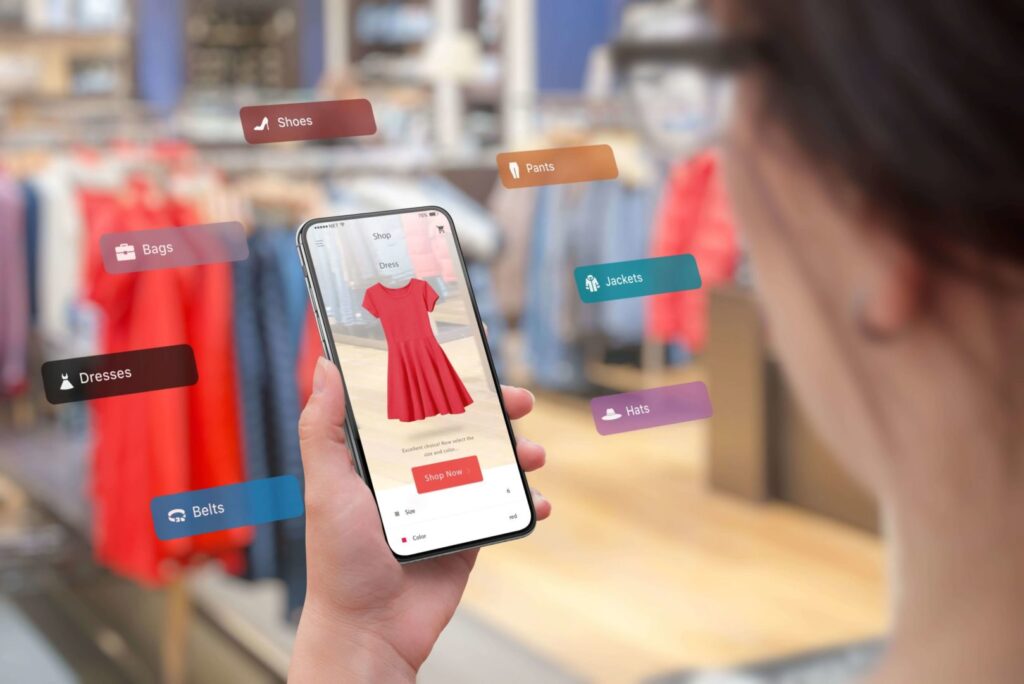
One of the most effective ways to use AR in ecommerce is through virtual try-ons. For example, fashion or beauty stores can allow customers to try on clothes, makeup, or accessories without physically trying them on. With AR, the customer can see how a garment would fit or how makeup would look on their face, all from the comfort of their home.
For furniture and decor ecommerce, you can offer users the ability to see how furniture would look in their home using an AR app. This not only improves the shopping experience but also reduces the risk of returns, as consumers can visualize the product in their own space before making a purchase.
Useful Tools:
  • IKEA Place: Allows consumers to see how furniture will look in their home using AR.
  • ModiFace: Offers virtual makeup try-on experiences for beauty ecommerce.
 

2. Improve Product Visualization

AR also enhances product visualization, especially in categories like electronics, clothing, and accessories. Consumers can see the product from different angles and in 3D, giving them a clearer view of what they are buying. This is especially useful for products with complex details or features that cannot be captured in a static image.
For example, in footwear ecommerce, an AR app can allow users to see how they would look with a pair of shoes on, or even how they fit while walking, making the purchase more appealing and less risky.

Useful Tools:

  • 3D Product Visualization: Integrates 3D visualization to view products from different perspectives.
  • Holition: Provides interactive 3D product experiences for luxury ecommerce.
 

3. Implement Location-Based AR

For ecommerce with physical stores or in specific areas, location-based AR can be a great tool to attract customers to the point of sale. By using GPS and AR technology, you can offer promotions and discounts when users are near your physical store, creating a smoother shopping experience between the physical and digital world.
This type of AR can also be used to guide customers inside a physical store or shopping mall, helping them find the product they are looking for or guiding them to a special offer.

Useful Tools:

  • 8th Wall: Allows you to create location-based AR experiences that guide users inside physical stores.
  • ARKit (Apple) and ARCore (Google): Platforms to create location-based AR experiences.

Tips to Maximize the Impact of AR in Your Ecommerce

1. Make It Easy to Use:

The AR experience should be accessible and easy to use. If your AR tool is complicated or requires users to download an additional app, you could lose potential customers. Make sure the AR experience is smooth and frictionless.

2. Integration with Social Media:

AR is highly shareable on social media platforms. Take advantage of this by allowing users to share their AR experiences with friends and followers, creating a viral effect that amplifies your brand’s message.

3. Run Tests and Optimize:

As with any marketing strategy, it’s important to measure and optimize. Analyze interaction time, conversion rates, and customer satisfaction to assess the impact of AR and make necessary adjustments.

Conclusion

Augmented reality is one of the most powerful tools for ecommerce in 2025. By integrating AR into your marketing strategy, you can offer interactive and personalized experiences that not only enhance customer satisfaction but also increase conversions and reduce returns. From trying on products to improving 3D visualization, AR is an essential tool for brands looking to stand out in a competitive market. If you implement AR strategically, you can transform the way consumers interact with your brand and take your sales to the next level.
Ready to take your ecommerce to the next level with augmented reality? Find us as Hyper Reality Company and discover how we can help you implement immersive experiences that drive your sales.
Facebook
Twitter
LinkedIn

Contactanos:

How to Use Augmented Reality to Sell More in Ecommerce

How to Use Augmented Reality to Sell More in Ecommerce

Use AR to Boots Your Sales

LinkedIn

Introduction:

Augmented reality (AR) is changing the way consumers shop online, taking the shopping experience beyond static images and product descriptions. In ecommerce, AR enables the creation of immersive and interactive experiences, which not only capture users’ attention but also increase trust and reduce uncertainty during the purchase process.
As consumers seek more dynamic and personalized shopping experiences, augmented reality presents itself as a key tool to improve conversions in ecommerce. From virtually trying on clothes to seeing how products will look in their home, AR provides consumers with the ability to make informed decisions, leading to increased sales and a more satisfying experience.
In this article, we will explore how to implement AR in your ecommerce to enhance the shopping experience, increase conversions, and ultimately sell more.

Why Use Augmented Reality in Ecommerce?

Augmented reality has the ability to transform the way consumers interact with products online. Traditionally, online shopping relies on static images and textual descriptions, leaving plenty of room for uncertainty. With AR, consumers can interact with and experience the product before purchasing it, which boosts their confidence and reduces the perceived risk.
Advantages of Using AR in Ecommerce:
  • Reduction of Uncertainty: Consumers can see how products fit into their real environment, reducing doubts before making a purchase.
  • Immersive Experience: AR allows customers to experience products in more detail, as if they were trying them on or using them in real-time.
  • Increased Engagement: AR experiences are interactive, fostering higher engagement and user retention.
  • Better Decision Making: The ability to visualize and try products before buying helps consumers make more informed decisions.

How to Implement AR in Your Ecommerce

1. Create a Virtual Product Experience

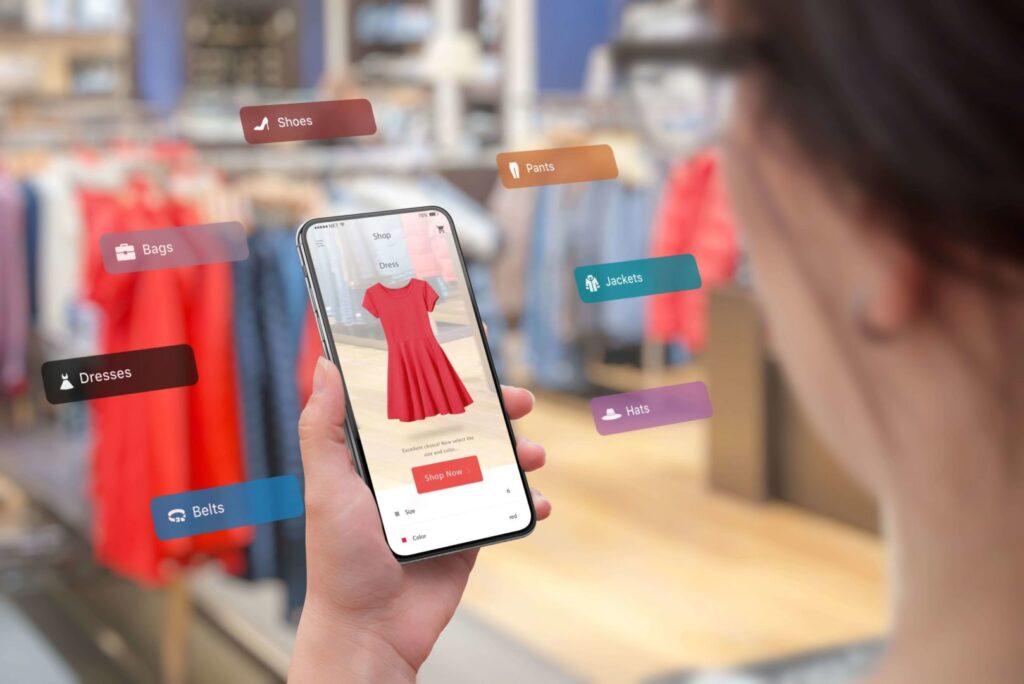
One of the most effective ways to use AR in ecommerce is through virtual try-ons. For example, fashion or beauty stores can allow customers to try on clothes, makeup, or accessories without physically trying them on. With AR, the customer can see how a garment would fit or how makeup would look on their face, all from the comfort of their home.
For furniture and decor ecommerce, you can offer users the ability to see how furniture would look in their home using an AR app. This not only improves the shopping experience but also reduces the risk of returns, as consumers can visualize the product in their own space before making a purchase.
Useful Tools:
  • IKEA Place: Allows consumers to see how furniture will look in their home using AR.
  • ModiFace: Offers virtual makeup try-on experiences for beauty ecommerce.
 

2. Improve Product Visualization

AR also enhances product visualization, especially in categories like electronics, clothing, and accessories. Consumers can see the product from different angles and in 3D, giving them a clearer view of what they are buying. This is especially useful for products with complex details or features that cannot be captured in a static image.
For example, in footwear ecommerce, an AR app can allow users to see how they would look with a pair of shoes on, or even how they fit while walking, making the purchase more appealing and less risky.

Useful Tools:

  • 3D Product Visualization: Integrates 3D visualization to view products from different perspectives.
  • Holition: Provides interactive 3D product experiences for luxury ecommerce.
 

3. Implement Location-Based AR

For ecommerce with physical stores or in specific areas, location-based AR can be a great tool to attract customers to the point of sale. By using GPS and AR technology, you can offer promotions and discounts when users are near your physical store, creating a smoother shopping experience between the physical and digital world.
This type of AR can also be used to guide customers inside a physical store or shopping mall, helping them find the product they are looking for or guiding them to a special offer.

Useful Tools:

  • 8th Wall: Allows you to create location-based AR experiences that guide users inside physical stores.
  • ARKit (Apple) and ARCore (Google): Platforms to create location-based AR experiences.

Tips to Maximize the Impact of AR in Your Ecommerce

1. Make It Easy to Use:

The AR experience should be accessible and easy to use. If your AR tool is complicated or requires users to download an additional app, you could lose potential customers. Make sure the AR experience is smooth and frictionless.

2. Integration with Social Media:

AR is highly shareable on social media platforms. Take advantage of this by allowing users to share their AR experiences with friends and followers, creating a viral effect that amplifies your brand’s message.

3. Run Tests and Optimize:

As with any marketing strategy, it’s important to measure and optimize. Analyze interaction time, conversion rates, and customer satisfaction to assess the impact of AR and make necessary adjustments.

Conclusion

Augmented reality is one of the most powerful tools for ecommerce in 2025. By integrating AR into your marketing strategy, you can offer interactive and personalized experiences that not only enhance customer satisfaction but also increase conversions and reduce returns. From trying on products to improving 3D visualization, AR is an essential tool for brands looking to stand out in a competitive market. If you implement AR strategically, you can transform the way consumers interact with your brand and take your sales to the next level.
Ready to take your ecommerce to the next level with augmented reality? Find us as Hyper Reality Company and discover how we can help you implement immersive experiences that drive your sales.
Facebook
Twitter
LinkedIn
Facebook
Twitter
LinkedIn

Contactanos:

Contactanos: