Static Advertising vs ROI: Why Likes No Longer Sell in 2026
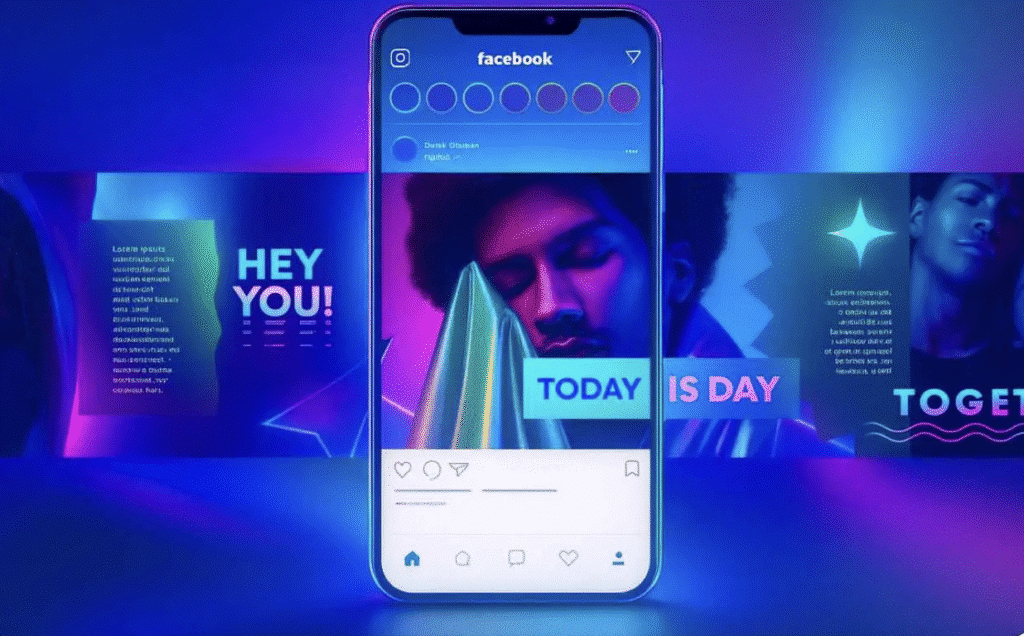
Static advertising no longer converts. In 2026, ROI rules and likes don’t matter. Learn how to beat banner blindness. Static advertising is still out there… but ROI has stopped paying attention. In 2026, attention is a scarce resource, and users have developed a ninja-level skill: ignoring ads without realizing it. This is known as banner blindness, and yes—it’s killing entire campaigns while dashboards stay full of likes that don’t pay the bills. For years, brands optimized for pretty metrics: impressions, reach, hearts. The problem? None of those pay CAC or drive real sales. Today, the companies that win understand one key truth: if your ad doesn’t deliver immediate value, the user’s brain blocks it automatically. In this article, you’ll learn why static advertising lost effectiveness, how banner blindness works in 2026, and what strategies brands are using to turn attention into revenue. The real question isn’t whether your ad is seen… it’s whether your ad matters. What Is Banner Blindness and Why Did It Get Worse in 2026? Banner blindness is a psychological phenomenon where the brain automatically ignores anything that looks like advertising. It doesn’t matter how well designed it is—if it smells like an ad, it disappears. In 2026, it got worse for three clear reasons: Ad saturation across all platforms Algorithms prioritizing real content over passive ads Users trained to scroll without looking Result: ads are visible, but mentally invisible. Static Advertising vs ROI: The Inevitable Clash Static advertising has a structural problem:it interrupts—it doesn’t interact. ROI, on the other hand, demands: Real attention Measurable interaction Concrete action A banner doesn’t talk back, adapt, or respond. That’s why today: High reach ≠ high impact Lots of likes ≠ lots of sales Platforms like Google and Meta now prioritize formats that retain attention, not just display impressions. Likes, Impressions, and Other Metrics That No Longer Mean Anything Vanity metrics ≠ business metrics. Examples of obsolete metrics: Likes Impressions Reach without interaction Metrics that actually matter in 2026: Time spent interacting Post-experience conversion Brand recall Purchase intent If you can’t connect your ad to an action, it’s not marketing—it’s digital decoration. What Type of Advertising Actually Works in 2026 Winning advertising today has three traits: Interactive (the user participates) Contextual (it appears where it makes sense) Experiential (it’s remembered, not ignored) s your brand still buying likes, or already investing in real results?Discover how to turn attention into ROI with strategies that actually work in 2026. What is banner blindness?Banner blindness is a phenomenon where users automatically ignore advertising elements—even when they’re visible—dramatically reducing their effectiveness. In 2026, static advertising didn’t die… it just stopped mattering. ROI rules, attention is selective, and users no longer reward interruptions—they reward experiences. If your strategy is still optimized for likes, you’re playing an old game with new rules. Change isn’t optional.Adapt—or disappear from the feed. Discover more at hyperrealitycompany.com
Publicidad Estática vs ROI: Por Qué los Likes Ya No Venden en 2026
La publicidad estática ya no convierte. En 2026, el ROI manda y los likes sobran. Descubre cómo vencer la ceguera al banner. La publicidad estática sigue ahí… pero el ROI ya no la mira. En 2026, la atención es un recurso escaso y los usuarios desarrollaron una habilidad nivel ninja: ignorar anuncios sin darse cuenta. A esto se le llama ceguera al banner, y sí, está matando campañas enteras mientras los dashboards siguen llenos de likes que no pagan facturas. Durante años, las marcas optimizaron para métricas bonitas: impresiones, alcance, corazones. El problema es que ninguna de esas paga el CAC ni mueve ventas reales. Hoy, las empresas que ganan son las que entienden algo clave: si tu anuncio no aporta valor inmediato, el cerebro del usuario lo bloquea automáticamente. En este artículo vas a entender por qué la publicidad estática perdió efectividad, cómo funciona la ceguera al banner en 2026 y qué estrategias están usando las marcas que sí convierten atención en ingresos.La pregunta real no es si tu anuncio se ve…es si tu anuncio importa. ¿Qué es la ceguera al banner y por qué empeoró en 2026? La ceguera al banner es cuando el usuario no ve conscientemente la publicidad, aunque esté frente a sus ojos. En 2026 empeoró por tres motivos claros: Saturación brutal de anuncios Usuarios entrenados a scrollear sin mirar Algoritmos que priorizan interacción real Resultado: anuncios visibles, impacto invisible. Publicidad estática vs ROI: el choque inevitable La publicidad estática tiene un problema estructural:interrumpe, no interactúa. Mientras tanto, el ROI exige: Atención real Interacción medible Acción concreta Un banner no conversa, no se adapta y no responde. Por eso hoy: Alto alcance ≠ alto impacto Muchos likes ≠ muchas ventas Plataformas como Google y Meta ya priorizan formatos que retienen atención, no solo que se muestran. Likes, impresiones y otras métricas que ya no dicen nada Métricas vanidosas ≠ métricas de negocio. Ejemplos de métricas obsoletas: Likes Impresiones Reach sin interacción Métricas que sí importan en 2026: Tiempo de interacción Conversión post-experiencia Recuerdo de marca Intención de compra Si no puedes conectar tu anuncio con una acción, no es marketing, es decoración digital. Qué tipo de publicidad sí funciona en 2026 La publicidad que gana hoy tiene tres características: Es interactiva (el usuario participa) Es contextual (aparece donde tiene sentido) Es experiencial (se recuerda, no se ignora) Ejemplos: Experiencias AR en retail Pantallas dinámicas con contenido reactivo Activaciones físicas + digitales (phygital) ¿Tu marca sigue comprando likes o ya está invirtiendo en resultados reales?Descubre cómo transformar atención en ROI con estrategias que sí funcionan en 2026. ¿Qué es la ceguera al banner?La ceguera al banner es un fenómeno donde los usuarios ignoran automáticamente elementos publicitarios, incluso cuando están visibles, reduciendo drásticamente su efectividad. En 2026, la publicidad estática no murió… simplemente dejó de importar.El ROI manda, la atención es selectiva y los usuarios ya no premian interrupciones, sino experiencias. Si tu estrategia sigue optimizando para likes, estás jugando un juego viejo con reglas nuevas. El cambio no es opcional.Es adaptarte o desaparecer del feed. Discover more at hyperrealitycompany.com
