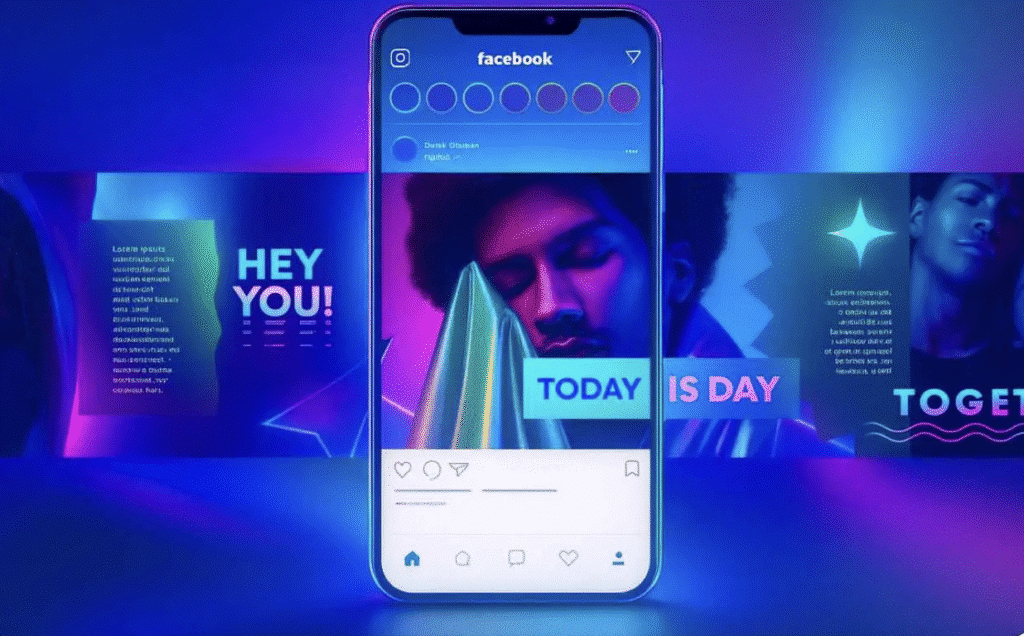
Static Advertising vs ROI: Why Likes No Longer Sell in 2026

Static advertising no longer converts. In 2026, ROI rules and likes don’t matter. Learn how to beat banner blindness.

Static advertising is still out there… but ROI has stopped paying attention. In 2026, attention is a scarce resource, and users have developed a ninja-level skill: ignoring ads without realizing it. This is known as banner blindness, and yes—it’s killing entire campaigns while dashboards stay full of likes that don’t pay the bills.

For years, brands optimized for pretty metrics: impressions, reach, hearts. The problem? None of those pay CAC or drive real sales. Today, the companies that win understand one key truth: if your ad doesn’t deliver immediate value, the user’s brain blocks it automatically.

In this article, you’ll learn why static advertising lost effectiveness, how banner blindness works in 2026, and what strategies brands are using to turn attention into revenue.

The real question isn’t whether your ad is seen… it’s whether your ad matters.


What Is Banner Blindness and Why Did It Get Worse in 2026?

Banner blindness is a psychological phenomenon where the brain automatically ignores anything that looks like advertising. It doesn’t matter how well designed it is—if it smells like an ad, it disappears.

In 2026, it got worse for three clear reasons:

  • Ad saturation across all platforms

  • Algorithms prioritizing real content over passive ads

  • Users trained to scroll without looking

Result: ads are visible, but mentally invisible.
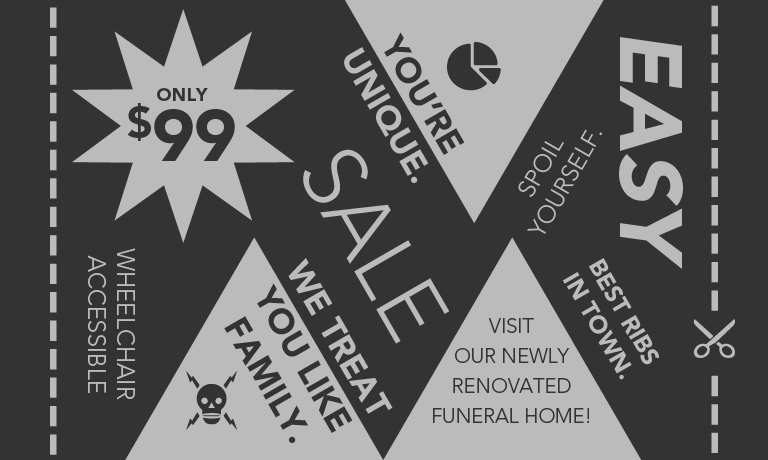
Bad Local Ads: 10 Real-World Examples Critiqued | Nuflux Media

Static Advertising vs ROI: The Inevitable Clash

Static advertising has a structural problem:
it interrupts—it doesn’t interact.

ROI, on the other hand, demands:

  1. Real attention

  2. Measurable interaction

  3. Concrete action

A banner doesn’t talk back, adapt, or respond. That’s why today:

  • High reach ≠ high impact

  • Lots of likes ≠ lots of sales

Platforms like Google and Meta now prioritize formats that retain attention, not just display impressions.


Likes, Impressions, and Other Metrics That No Longer Mean Anything

Vanity metrics ≠ business metrics.

Examples of obsolete metrics:

  • Likes

  • Impressions

  • Reach without interaction

Metrics that actually matter in 2026:

  • Time spent interacting

  • Post-experience conversion

  • Brand recall

  • Purchase intent

If you can’t connect your ad to an action, it’s not marketing—it’s digital decoration.


What Type of Advertising Actually Works in 2026

Winning advertising today has three traits:

  • Interactive (the user participates)

  • Contextual (it appears where it makes sense)

  • Experiential (it’s remembered, not ignored)


Augmented Reality in Retail: The Future of Shopping Experience

s your brand still buying likes, or already investing in real results?
Discover how to turn attention into ROI with strategies that actually work in 2026.


What is banner blindness?
Banner blindness is a phenomenon where users automatically ignore advertising elements—even when they’re visible—dramatically reducing their effectiveness.


In 2026, static advertising didn’t die… it just stopped mattering.

ROI rules, attention is selective, and users no longer reward interruptions—they reward experiences. If your strategy is still optimized for likes, you’re playing an old game with new rules.

 Change isn’t optional.
Adapt—or disappear from the feed.

Facebook
Twitter
LinkedIn

Contactanos:

Static Advertising vs ROI: Why Likes No Longer Sell in 2026

Static Advertising vs ROI: Why Likes No Longer Sell in 2026

Static advertising no longer converts. In 2026, ROI rules and likes don’t matter. Learn how to beat banner blindness.

Static advertising is still out there… but ROI has stopped paying attention. In 2026, attention is a scarce resource, and users have developed a ninja-level skill: ignoring ads without realizing it. This is known as banner blindness, and yes—it’s killing entire campaigns while dashboards stay full of likes that don’t pay the bills.

For years, brands optimized for pretty metrics: impressions, reach, hearts. The problem? None of those pay CAC or drive real sales. Today, the companies that win understand one key truth: if your ad doesn’t deliver immediate value, the user’s brain blocks it automatically.

In this article, you’ll learn why static advertising lost effectiveness, how banner blindness works in 2026, and what strategies brands are using to turn attention into revenue.

The real question isn’t whether your ad is seen… it’s whether your ad matters.


What Is Banner Blindness and Why Did It Get Worse in 2026?

Banner blindness is a psychological phenomenon where the brain automatically ignores anything that looks like advertising. It doesn’t matter how well designed it is—if it smells like an ad, it disappears.

In 2026, it got worse for three clear reasons:

  • Ad saturation across all platforms

  • Algorithms prioritizing real content over passive ads

  • Users trained to scroll without looking

Result: ads are visible, but mentally invisible.

Bad Local Ads: 10 Real-World Examples Critiqued | Nuflux Media

Static Advertising vs ROI: The Inevitable Clash

Static advertising has a structural problem:
it interrupts—it doesn’t interact.

ROI, on the other hand, demands:

  1. Real attention

  2. Measurable interaction

  3. Concrete action

A banner doesn’t talk back, adapt, or respond. That’s why today:

  • High reach ≠ high impact

  • Lots of likes ≠ lots of sales

Platforms like Google and Meta now prioritize formats that retain attention, not just display impressions.


Likes, Impressions, and Other Metrics That No Longer Mean Anything

Vanity metrics ≠ business metrics.

Examples of obsolete metrics:

  • Likes

  • Impressions

  • Reach without interaction

Metrics that actually matter in 2026:

  • Time spent interacting

  • Post-experience conversion

  • Brand recall

  • Purchase intent

If you can’t connect your ad to an action, it’s not marketing—it’s digital decoration.


What Type of Advertising Actually Works in 2026

Winning advertising today has three traits:

  • Interactive (the user participates)

  • Contextual (it appears where it makes sense)

  • Experiential (it’s remembered, not ignored)


Augmented Reality in Retail: The Future of Shopping Experience

s your brand still buying likes, or already investing in real results?
Discover how to turn attention into ROI with strategies that actually work in 2026.


What is banner blindness?
Banner blindness is a phenomenon where users automatically ignore advertising elements—even when they’re visible—dramatically reducing their effectiveness.


In 2026, static advertising didn’t die… it just stopped mattering.

ROI rules, attention is selective, and users no longer reward interruptions—they reward experiences. If your strategy is still optimized for likes, you’re playing an old game with new rules.

 Change isn’t optional.
Adapt—or disappear from the feed.

Facebook
Twitter
LinkedIn
Facebook
Twitter
LinkedIn

Contactanos:

Contactanos: