Why Premium Brands Bet on Immersive Experiences
Discover why premium brands invest in immersive experiences to differentiate, create value, and strengthen emotional connections with their customers. Immersive experiences have become one of the favorite strategies in high-level branding. Today, premium brands don’t just sell products — they create universes where consumers feel, interact, and remember. But why has this trend become so relevant, and what real benefits does it generate for companies? In this article, you’ll discover how immersive experiences boost perceived value, strengthen customer loyalty, and create differentiation in highly competitive markets. We’ll also explore real examples and strategic insights that explain why this investment has become essential in luxury and high-end marketing. What Are Immersive Experiences in Branding? Immersive experiences are interactions designed to engage consumers in a sensory, emotional, and participatory way, usually through: Technology (augmented reality, VR, interactive installations) Experiential physical spaces Engaging brand narratives Their main goal is to create a deep and memorable connection with the audience. Why Do Premium Brands Invest in Immersive Experiences? 1. They Increase Perceived Value Premium brands sell meaning in addition to functionality. Carefully designed experiences elevate the sense of exclusivity and justify higher prices. Example: digital activations and experiential retail by Apple, where customers try products in an inspiring environment. 2. They Create Stronger Emotional Connections Emotions are key in purchase decisions within premium segments. Experiences allow brands to: Associate the brand with positive feelings Create lasting memories Strengthen aspirational identity Experiential campaigns by Nike show how emotional engagement increases loyalty. 3. Differentiation in Saturated Markets In categories where quality is similar, experience becomes the deciding factor. Premium brands use immersion to stand out from competitors. A clear example is the luxury retail approach of Louis Vuitton, which integrates art, architecture, and storytelling. 4. Greater Recall and Virality Immersive experiences are highly shareable, amplifying organic reach: Users create social media content Conversations emerge around the brand Innovative positioning is reinforced Most Common Types of Immersive Experiences Digital Experiences Augmented reality in stores Interactive virtual events Digital showrooms Physical Experiences Sensory pop-ups Interactive installations Experiential flagship stores Hybrid Experiences Events with digital layers Apps that complement in-person experiences Strategic Benefits for Brands Greater competitive differentiation Increased perceived value Customer loyalty Organic content generation Positioning as an innovative brand Why do premium brands use immersive experiences? Because they increase perceived value, create emotional connections, differentiate the brand, and improve customer recall through memorable interactions. Immersive experiences have evolved from a one-off innovation into a strategic pillar of premium branding. They enable brands to build deep emotional relationships, elevate perceived value, and stand out in competitive environments where experience matters as much as the product. In a market where attention is scarce, brands that engage audiences in memorable ways are the ones that stay top of mind — and top of preference. Do you want to design an immersive experience strategy for your brand? Analyze your customer journey and identify moments where you can turn an interaction into a memorable experience. If you’d like, I can help you structure a step-by-step framework.
Por qué las marcas premium apuestan por experiencias inmersivas
Descubre por qué las marcas premium invierten en experiencias inmersivas para diferenciarse, generar valor y fortalecer la conexión emocional con sus clientes. Las experiencias inmersivas se han convertido en una de las estrategias favoritas del branding de alto nivel. Hoy, las marcas premium no solo venden productos: crean universos donde el consumidor siente, interactúa y recuerda. Pero, ¿por qué esta tendencia se ha vuelto tan relevante y qué beneficios reales genera para las empresas? En este artículo descubrirás cómo las experiencias inmersivas impulsan la percepción de valor, fortalecen la lealtad del cliente y generan diferenciación en mercados altamente competitivos. Además, veremos ejemplos reales y claves estratégicas que explican por qué esta inversión se ha vuelto esencial en el marketing de lujo y alta gama. ¿Qué son las experiencias inmersivas en branding? Las experiencias inmersivas son interacciones diseñadas para involucrar al consumidor de forma sensorial, emocional y participativa, generalmente mediante: Tecnología (realidad aumentada, VR, instalaciones interactivas) Espacios físicos experienciales Narrativas de marca envolventes Su objetivo principal es crear una conexión profunda y memorable con el público. ¿Por qué las marcas premium invierten en experiencias inmersivas? 1. Incrementan la percepción de valor Las marcas premium venden significado además de funcionalidad. Experiencias cuidadosamente diseñadas elevan la sensación de exclusividad y justifican precios más altos. Ejemplo: activaciones digitales y retail experiencial de Apple, donde el cliente prueba el producto en un entorno diseñado para inspirar. 2. Generan conexiones emocionales más fuertes Las emociones son clave en la decisión de compra en segmentos premium. Las experiencias permiten: Asociar la marca con sensaciones positivas Crear recuerdos duraderos Fortalecer la identidad aspiracional Campañas experienciales de Nike demuestran cómo el engagement emocional aumenta la lealtad. 3. Diferenciación en mercados saturados En categorías donde la calidad es similar, la experiencia se convierte en el factor decisivo. Las marcas premium usan la inmersión para destacar frente a competidores. Un ejemplo es el retail de lujo de Louis Vuitton, que integra arte, arquitectura y storytelling. 4. Mayor recordación y viralidad Las experiencias inmersivas son altamente compartibles, lo que amplifica el alcance orgánico: Los usuarios generan contenido en redes sociales Se crea conversación alrededor de la marca Se refuerza el posicionamiento innovador Tipos de experiencias inmersivas más utilizadas Experiencias digitales Realidad aumentada en tiendas Eventos virtuales interactivos Showrooms digitales Experiencias físicas Pop-ups sensoriales Instalaciones interactivas Flagship stores experienciales Experiencias híbridas Eventos con capas digitales Apps que complementan la experiencia presencial Beneficios estratégicos para la marca Mayor diferenciación competitiva Incremento del valor percibido Fidelización del cliente Generación de contenido orgánico Posicionamiento como marca innovadora ¿Por qué las marcas premium usan experiencias inmersivas? Porque aumentan la percepción de valor, generan conexiones emocionales, diferencian la marca y mejoran la recordación del consumidor mediante interacciones memorables. Las experiencias inmersivas han pasado de ser una innovación puntual a un pilar estratégico del branding premium. Permiten construir relaciones emocionales profundas, elevar la percepción de valor y diferenciarse en un entorno competitivo donde la experiencia pesa tanto como el producto. En un mercado donde la atención es limitada, las marcas que logran involucrar a sus audiencias de forma memorable son las que permanecen en la mente —y en la preferencia— del consumidor. ¿Quieres diseñar una estrategia de experiencia inmersiva para tu marca? Analiza tu customer journey e identifica los momentos donde puedes transformar una interacción en una experiencia memorable. Si quieres, puedo ayudarte a estructurar un framework paso a paso.
Ads No Longer Work: What Brands Are Doing Differently Today

Traditional ads are no longer enough. Discover how immersive marketing and brand experience are transforming the way brands connect with consumers. Ads no longer work the way they used to. For years, brands relied on digital ads, banners, and commercials to capture consumer attention, but today that model is losing effectiveness. Users are saturated with advertising messages, use ad blockers, and, above all, ignore anything that does not provide real value. In this new landscape, the brands that stand out are not the ones that shout the loudest, but those that create memorable experiences. This is where immersive marketing and brand experience come into play—strategies designed to emotionally engage consumers rather than interrupt them. So why is it no longer enough to simply run ads? What are the brands that successfully connect, sell, and build loyalty doing differently? In this article, you’ll discover how marketing is evolving and why immersive experiences have become the new competitive advantage. Why Are Traditional Ads Losing Effectiveness? Advertising Saturation and Consumer Fatigue Users are exposed to thousands of ads every day. This overexposure leads to rejection, disinterest, and distrust toward brands that focus solely on selling without creating a connection. Shorter Attention Spans and Greater User Control Today, consumers decide what to watch, when, and how. Ad-free platforms, on-demand content, and advertising filters have drastically reduced the impact of traditional advertising. Lack of Emotional Connection Ads inform, but they rarely create bonds. Without a meaningful experience, the message is quickly forgotten. Immersive Marketing: The Answer to the New Consumer Immersive marketing goes beyond delivering a message—it aims to make consumers experience it. Through interactive, sensory, and participatory experiences, brands are able to build much deeper connections. What Defines Immersive Marketing? Active user participation Use of technology and storytelling Memorable and shareable experiences High emotional impact Instead of interrupting, this approach invites consumers to become part of the story. Brand Experience: When a Brand Is Felt, Not Just Seen Brand experience focuses on how people perceive a brand at every touchpoint. It’s not just about a logo or an ad, but about sensations, emotions, and memories. Key actions include: In-person and digital activations Interactive product experiences Immersive and personalized events Content that connects with values and lifestyle Brands that invest in experience don’t just sell more—they build long-term relationships. What Are Brands Doing Differently Today? Creating experiences instead of ads Making the consumer the protagonist Appealing to emotions, not just benefits Generating shareable and memorable moments Building community, not just reach These brands understand that attention can no longer be bought—it must be earned. In a world where traditional ads are losing impact, immersive marketing and brand experience have become the new way to connect with audiences. Brands that understand this shift stop interrupting and start creating real value through experiences. If you want your brand to stop going unnoticed and start being remembered, the path forward isn’t making more ads—it’s creating experiences that are lived and felt. Ready to go beyond traditional advertising? Discover how immersive marketing can transform your brand experience and truly connect with your customers.
Los anuncios ya no funcionan: qué están haciendo diferente las marcas hoy
Los anuncios tradicionales ya no bastan. Descubre cómo el marketing inmersivo y la brand experience están transformando la conexión con los consumidores. Los anuncios ya no funcionan como antes. Durante años, las marcas confiaron en pautas digitales, banners y comerciales para captar la atención del consumidor, pero hoy ese modelo está perdiendo efectividad. Los usuarios están saturados de mensajes publicitarios, utilizan bloqueadores de anuncios y, sobre todo, ignoran aquello que no les genera valor real. En este nuevo escenario, las marcas que destacan no son las que gritan más fuerte, sino las que crean experiencias memorables. Aquí es donde entran en juego el marketing inmersivo y la brand experience, estrategias que buscan involucrar emocionalmente al consumidor en lugar de interrumpirlo. Pero ¿por qué ya no basta con hacer anuncios? ¿Qué están haciendo diferente las marcas que sí logran conectar, vender y fidelizar? En este artículo descubrirás cómo está cambiando el marketing y por qué las experiencias inmersivas se han convertido en la nueva ventaja competitiva. ¿Por qué los anuncios tradicionales están perdiendo efectividad? Saturación publicitaria y fatiga del consumidor Los usuarios ven miles de anuncios al día. Esta sobreexposición provoca rechazo, desinterés y desconfianza hacia las marcas que solo intentan vender sin conectar. Menor atención y mayor control del usuario Hoy el consumidor decide qué ver, cuándo y cómo. Plataformas sin anuncios, contenido bajo demanda y filtros publicitarios han reducido drásticamente el impacto de la publicidad tradicional. Falta de conexión emocional Los anuncios informan, pero rara vez generan vínculos. Sin una experiencia significativa, el mensaje se olvida rápidamente. Marketing inmersivo: la respuesta al nuevo consumidor El marketing inmersivo va más allá de mostrar un mensaje: busca que el consumidor lo viva. A través de experiencias interactivas, sensoriales y participativas, las marcas logran una conexión mucho más profunda. ¿Qué caracteriza al marketing inmersivo? Participación activa del usuario Uso de tecnología y storytelling Experiencias memorables y compartibles Alto impacto emocional En lugar de interrumpir, este enfoque invita al consumidor a ser parte de la historia. Brand experience: cuando la marca se siente, no solo se ve La brand experience se centra en cómo una persona percibe una marca en cada punto de contacto. No se trata solo de un logo o un anuncio, sino de sensaciones, emociones y recuerdos. Algunas acciones clave incluyen: Activaciones presenciales y digitales Experiencias interactivas con productos Eventos inmersivos y personalizados Contenido que conecta con valores y estilo de vida Las marcas que apuestan por la experiencia no solo venden más, sino que construyen relaciones duraderas. ¿Qué están haciendo diferente las marcas hoy? Crean experiencias en lugar de anuncios Involucran al consumidor como protagonista Apelan a emociones, no solo a beneficios Generan momentos compartibles y memorables Construyen comunidad, no solo alcance Estas marcas entienden que la atención ya no se compra: se gana. En un mundo donde los anuncios tradicionales pierden impacto, el marketing inmersivo y la brand experience se han convertido en la nueva forma de conectar con las audiencias. Las marcas que entienden este cambio dejan de interrumpir y comienzan a crear valor real a través de experiencias. Si quieres que tu marca deje de pasar desapercibida y empiece a ser recordada, el camino no está en hacer más anuncios, sino en crear experiencias que se vivan y se sientan. ¿Listo para ir más allá de la publicidad tradicional? Descubre cómo el marketing inmersivo puede transformar la experiencia de tu marca y conectar de verdad con tus clientes.
Make Your Brand Look Innovative Without Changing Your Product

Discover how immersive experiences with AR, VR, and 3D make your brand feel innovative without changing the product you sell. Some brands always seem to be one step ahead. Not because they have better products, but because they communicate differently. The perception of innovation doesn’t always come from the product itself. Many times, it comes from the experience — how users interact with, discover, and remember a brand. That’s where immersive experiences come in. Today, technologies like augmented reality (AR), virtual reality (VR), and 3D visualization allow brands to transform how they present themselves without changing what they sell. The product stays the same, but the experience around it becomes more modern, memorable, and distinctive. This isn’t about looking futuristic for the sake of trends.It’s about communicating value in a way the consumer’s brain associates with innovation. In this article, you’ll learn: Why some brands are perceived as more innovative than others How AR, VR, and 3D change perception without touching the product What types of immersive experiences create that effect The key question is simple:Does your brand feel current — or does it feel outdated? Why Are Some Brands Perceived as More Innovative? Because they understand one key idea:perception matters as much as the product itself. Brands that feel “ahead of their time” usually: Communicate in interactive ways Use technology to make decisions easier for customers Create experiences, not just messages They don’t sell differently.They present themselves differently. Immersive Experiences: What They Are and Why They Work Immersive experiences allow users to: Explore Interact Make decisions actively Instead of just seeing a brand, they experience it. AR, VR, and 3D work because they involve users directly, activating curiosity, attention, and memory — exactly what the brain interprets as innovation. Benefits of Using Immersive Experiences for Your Brand Immediate perception of innovation Higher engagement Clear differentiation from competitors Memorable experiences Stronger brand recall It’s not about changing what you sell.It’s about changing how people experience it. AR: Innovation Visible in the Real World Augmented reality overlays products or information onto the user’s real environment. This creates: Immediate impact A sense of modernity Greater confidence before purchasing The product doesn’t change.The experience does. VR: Taking the User to the Next Level Virtual reality creates fully immersive environments where the brand controls the narrative. It’s ideal for: Product launches Premium experiences Complex demonstrations A brand that uses VR is automatically perceived as advanced. 3D: Clarity, Control, and Modernity 3D visualization allows products to be shown with detail, movement, and full user control. Key benefits: Better product understanding Fewer doubts A feeling of precision and innovation 3D doesn’t just explain.It elevates brand perception. What are immersive experiences in marketing?They are interactive experiences using AR, VR, or 3D that engage users and improve a brand’s perception of innovation. Looking innovative isn’t about budget.It’s about experience. Discover how immersive experiences with AR, VR, and 3D can transform how your brand is perceived — without changing your product. Brands that seem to live in the future don’t always have better products.They have better experiences. AR, VR, and 3D allow brands to feel modern, innovative, and relevant without rebuilding their offering — simply by changing how users interact with it. Same product. New perception. More value. Discover more at hyperrealitycompany.com
Haz que tu marca se vea innovadora sin cambiar tu producto
Descubre cómo las experiencias inmersivas con AR, VR y 3D hacen que tu marca se perciba innovadora sin modificar tu producto. Algunas marcas parecen estar siempre un paso adelante. No porque tengan mejores productos, sino porque se comunican de forma distinta. La percepción de innovación no siempre nace en el producto. Muchas veces nace en la experiencia. En cómo el usuario interactúa, descubre y recuerda a la marca. Ahí es donde entran las experiencias inmersivas. Hoy, tecnologías como realidad aumentada (AR), realidad virtual (VR) y visualización 3D permiten transformar la forma en que una marca se presenta, sin necesidad de cambiar lo que vende. El producto sigue siendo el mismo, pero la experiencia alrededor se vuelve más moderna, memorable y diferenciadora. No se trata de parecer futurista por moda.Se trata de comunicar valor de una forma que el cerebro del consumidor asocie con innovación. En este artículo vas a descubrir: Por qué algunas marcas se perciben más innovadoras que otras Cómo AR, VR y 3D cambian la percepción sin tocar el producto Qué tipo de experiencias inmersivas generan ese efecto La pregunta clave es simple: ¿tu marca se ve actual… o se siente del pasado? ¿Por qué algunas marcas se perciben como más innovadoras? Porque entienden algo clave:la percepción es tan importante como el producto. Las marcas que parecen “del futuro” suelen: Comunicar de forma interactiva Usar tecnología para facilitar la decisión del cliente Crear experiencias, no solo mensajes No venden diferente.Se muestran diferente. Experiencias inmersivas: qué son y por qué funcionan Las experiencias inmersivas permiten que el usuario: Explore Interactúe Decida activamente En lugar de mirar una marca, la vive. AR, VR y 3D funcionan porque involucran al usuario de forma directa, activando curiosidad, atención y memoria. Eso es lo que el cerebro traduce como innovación. Beneficios de usar experiencias inmersivas en tu marca Percepción inmediata de innovación Mayor engagement Diferenciación frente a la competencia Experiencias memorables Mejor recuerdo de marca No se trata de cambiar lo que vendes.Se trata de cambiar cómo lo experimentan. AR: innovación visible en el mundo real La realidad aumentada permite superponer productos o información en el entorno real del usuario. Esto genera: Impacto inmediato Sensación de modernidad Mayor confianza antes de comprar El producto no cambia.La experiencia sí. VR: llevar al usuario a otro nivel La realidad virtual crea entornos completos donde la marca controla la narrativa. Es ideal para: Lanzamientos Experiencias premium Demostraciones complejas Una marca que usa VR se percibe automáticamente como avanzada. 3D: claridad, control y modernidad La visualización 3D permite mostrar productos con detalle, movimiento y control total. Beneficios clave: Mejor comprensión del producto Menos dudas Sensación de precisión e innovación El 3D no solo explica.Eleva la percepción de marca. ¿Qué son las experiencias inmersivas en marketing? Son experiencias interactivas que usan AR, VR o 3D para involucrar al usuario y mejorar la percepción de innovación de una marca. Verse innovador no es cuestión de presupuesto.Es cuestión de experiencia. Descubre cómo las experiencias inmersivas con AR, VR y 3D pueden transformar la percepción de tu marca sin cambiar tu producto. Las marcas que parecen estar en el futuro no siempre tienen mejores productos.Tienen mejores experiencias. AR, VR y 3D permiten que una marca se vea moderna, innovadora y relevante sin rehacer su oferta. Solo cambiando la forma en que el usuario interactúa con ella. Mismo producto. Nueva percepción. Más valor. Discover more at hyperrealitycompany.com
AI Agents: Automated Project Management
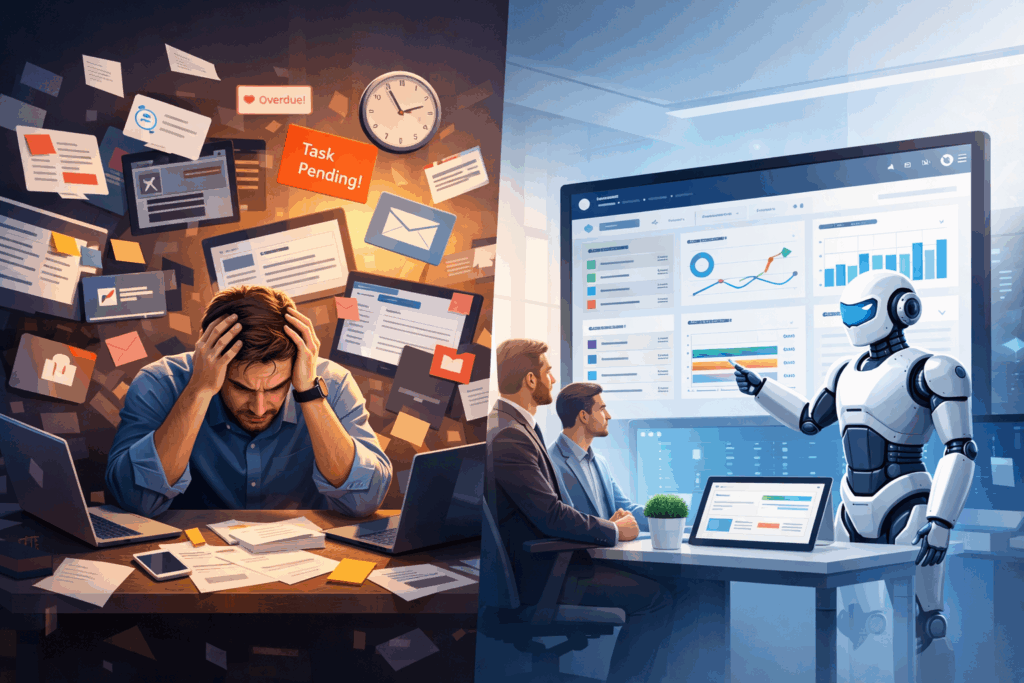
Discover how AI-powered agents can automate project management, boost team productivity, and deliver results faster with Shifu. AI agents are no longer science fiction. They’re your new secret weapon to automate project management and boost productivity. Managing projects traditionally means juggling timelines, resources, tasks, and teams. While it’s possible, it’s not efficient. Human managers can only track so many things at once, and as the workload increases, so does the risk of burnout, errors, and delays. That’s where Shifu comes in. With AI-driven agents, your projects become automated. Tasks are assigned, deadlines are met, and bottlenecks are identified automatically. The best part? You can free up time for your team to focus on creative, high-value tasks while the AI handles the rest. In this article, you’ll learn: How AI agents transform project management Why automating workflows boosts productivity How Shifu’s AI agents deliver measurable results The question is simple:Are you still managing projects manually, or are you ready to let AI do the work for you? Why Project Management Is Hard Without AI Managing a project involves countless moving parts: Task delegation Resource allocation Deadline tracking Communication flow The problem is simple: human error.As teams grow and projects get more complex, it becomes harder to keep everything aligned. What Are AI Agents and How Do They Work? AI agents are software tools powered by artificial intelligence designed to automate repetitive tasks and help with decision-making. They take over the administrative part of project management, such as: Assigning tasks based on team member availability and skills Tracking progress and identifying potential delays Recommending adjustments for improved efficiency Shifu uses AI agents to seamlessly manage projects without constant manual intervention. AI-Driven Automation for Task Management The main benefit of AI is its ability to manage workflows without human input. It can: Prioritize tasks based on project urgency Automatically reassign tasks if deadlines slip Ensure resources are allocated properly, preventing bottlenecks With AI managing these tasks, your team can focus on more critical, high-level work. Improving Team Efficiency with AI Agents AI agents can enhance productivity by: Reducing the administrative burden on project managers Ensuring that tasks are completed on time Predicting issues before they arise, preventing project delays Enabling teams to collaborate more effectively with real-time updates and automated alerts AI doesn’t just help with automation; it actively improves team efficiency. Key Benefits of Using Shifu for Project Management Faster project completion times Reduced human error and risk Improved collaboration and communication Streamlined task management Real-time tracking and predictive insights AI isn’t just a tool. It’s a way to supercharge your team’s productivity. Measuring the Impact of AI on Productivity The ROI of AI in project management can be measured by: Time saved by automating administrative tasks Increased team output due to better resource allocation Faster decision-making with AI-powered insights Fewer project delays and disruptions When you free up your team from tedious tasks, the results speak for themselves. What are AI agents in project management? AI agents are tools powered by artificial intelligence that automate tasks, manage workflows, and optimize project management, improving efficiency and productivity. Managing projects the traditional way is a thing of the past.It’s time to let AI take over. Learn how Shifu can automate your project management and boost your team’s productivity today. Project management doesn’t have to be hard.It doesn’t have to be manual either. AI agents from Shifu transform the way projects are managed. They take care of the repetitive tasks, so your team can focus on the work that truly matters. More efficiency. Less effort. Better results. Discover more at hyperrealitycompany.com
Agentes IA: Gestión de proyectos automatizada
Descubre cómo los agentes impulsados por IA pueden automatizar la gestión de proyectos, aumentar la productividad del equipo y entregar resultados más rápido con Shifu. Los agentes IA ya no son ciencia ficción. Son tu nueva arma secreta para automatizar la gestión de proyectos y aumentar la productividad. Gestionar proyectos de manera tradicional significa coordinar plazos, recursos, tareas y equipos. Si bien es posible, no es eficiente. Los gerentes humanos solo pueden rastrear tantas cosas a la vez, y a medida que aumenta la carga de trabajo, también lo hacen el riesgo de agotamiento, errores y retrasos. Ahí es donde entra Shifu. Con agentes impulsados por IA, tus proyectos se automatizan. Las tareas se asignan, los plazos se cumplen y los cuellos de botella se identifican automáticamente. ¿Lo mejor? Puedes liberar tiempo para que tu equipo se concentre en tareas creativas de alto valor, mientras que la IA se encarga del resto. En este artículo, aprenderás: Cómo los agentes IA transforman la gestión de proyectos Por qué automatizar los flujos de trabajo aumenta la productividad Cómo los agentes IA de Shifu entregan resultados medibles La pregunta es simple:¿Todavía gestionas proyectos manualmente o estás listo para dejar que la IA lo haga por ti? ¿Por qué la gestión de proyectos es difícil sin IA? Gestionar un proyecto implica una cantidad infinita de tareas: Delegación de tareas Asignación de recursos Seguimiento de plazos Flujo de comunicación El problema es simple: el error humano.A medida que los equipos crecen y los proyectos se vuelven más complejos, se hace más difícil mantener todo alineado. ¿Qué son los agentes IA y cómo funcionan? Los agentes IA son herramientas de software impulsadas por inteligencia artificial diseñadas para automatizar tareas repetitivas y ayudar en la toma de decisiones. Se encargan de la parte administrativa de la gestión de proyectos, como: Asignar tareas según la disponibilidad y habilidades del equipo Rastrear el progreso e identificar posibles retrasos Sugerir ajustes para mejorar la eficiencia Shifu utiliza agentes IA para gestionar proyectos sin intervención manual constante. Automatización de tareas con IA El principal beneficio de la IA es su capacidad para gestionar flujos de trabajo sin intervención humana. La IA puede: Priorizar tareas según la urgencia del proyecto Reasignar tareas automáticamente si los plazos se retrasan Asegurar que los recursos se asignen adecuadamente, evitando cuellos de botella Con IA gestionando estas tareas, tu equipo puede centrarse en trabajos más críticos y de alto nivel. Mejorando la eficiencia del equipo con agentes IA Los agentes IA pueden mejorar la productividad al: Reducir la carga administrativa de los gerentes de proyecto Asegurar que las tareas se completen a tiempo Predecir problemas antes de que surjan, evitando retrasos en el proyecto Facilitar la colaboración entre equipos con actualizaciones en tiempo real y alertas automatizadas La IA no solo ayuda con la automatización, sino que mejora la eficiencia del equipo de manera activa. Beneficios clave de usar Shifu para la gestión de proyectos Tiempos de finalización de proyectos más rápidos Menos errores humanos y riesgos Mejor colaboración y comunicación Gestión de tareas optimizada Seguimiento en tiempo real e información predictiva La IA no es solo una herramienta. Es una forma de potenciar la productividad de tu equipo. Midiendo el impacto de la IA en la productividad El ROI de la IA en la gestión de proyectos se puede medir comparando: El tiempo ahorrado al automatizar tareas administrativas El aumento de la producción del equipo debido a una mejor asignación de recursos La toma de decisiones más rápida con información impulsada por IA Menos retrasos y disrupciones en los proyectos Cuando liberas a tu equipo de tareas tediosas, los resultados hablan por sí mismos. ¿Qué son los agentes IA en la gestión de proyectos? Los agentes IA son herramientas impulsadas por inteligencia artificial que automatizan tareas, gestionan flujos de trabajo y optimizan la gestión de proyectos, mejorando la eficiencia y productividad. Gestionar proyectos de forma tradicional ya es cosa del pasado.Es hora de dejar que la IA lo haga. Aprende cómo Shifu puede automatizar tu gestión de proyectos y aumentar la productividad de tu equipo hoy mismo. Gestionar proyectos no tiene que ser difícil.No tiene que ser manual tampoco. Los agentes IA de Shifu transforman la forma en que se gestionan los proyectos. Se encargan de las tareas repetitivas, para que tu equipo pueda centrarse en lo que realmente importa. Más eficiencia. Menos esfuerzo. Mejores resultados. Discover more at hyperrealitycompany.com
Digital Chaos: How Much You Lose with Disconnected Apps
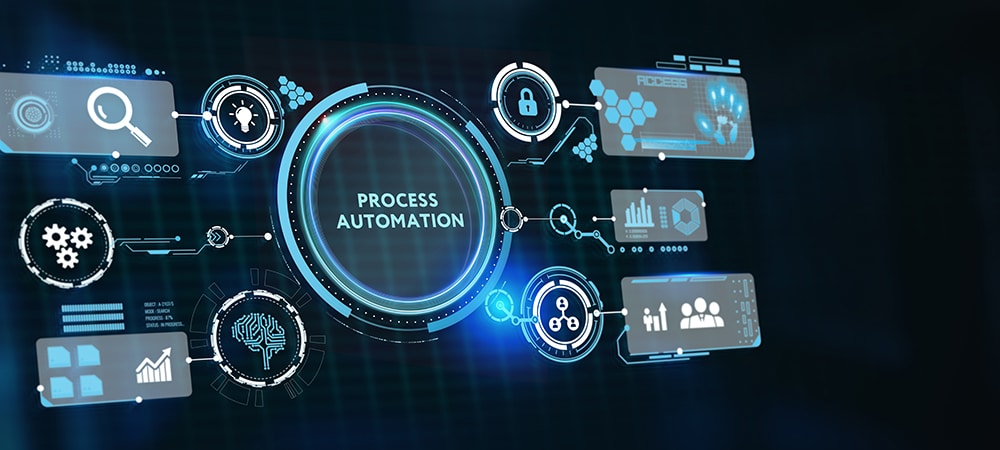
Discover how much money and productivity you lose by using disconnected apps and how digital centralization eliminates operational chaos. Today, companies rely on dozens of tools: CRM systems, WhatsApp, email, spreadsheets, internal platforms, forms, calendars… Each one claims to help, but none of them truly talk to each other. The result isn’t efficiency — it’s friction. Every app switch is wasted time.Every duplicated data entry is a potential error.Every manual process is money leaking quietly from the business. That’s where Shifu comes in. Centralization isn’t just about organizing tools. It’s about regaining control. When all information, processes, and communication live in one place, teams move faster, make fewer mistakes, and take better-informed decisions. In this article, you’ll discover: What digital chaos really is How much you lose by operating with disconnected apps Why centralization is a strategic decision, not a technical one The real question isn’t how many apps you use.It’s how much it’s costing you to keep them disconnected. What Is Digital Chaos in Companies? Digital chaos happens when: Each department uses different tools Information is fragmented Processes depend on manual steps Nothing is technically “broken”…but nothing flows the way it should. Disconnected Apps: The Silent Problem Isolated apps create: Duplicated information Process delays Lack of real visibility Dependence on people instead of systems Worst of all, the problem grows as the company scales. Loss of Time and Productivity Constant app switching means: Searching for information in multiple places Repeating tasks Manually validating data Minutes lost per person quickly become hours lost per team. Errors, Duplication, and Lack of Control Without a centralized system: Errors become normalized Data loses reliability Decisions are made with incomplete information The chaos stays hidden… until it breaks something important. Digital Centralization: What It Is and Why It Works Centralization means: One single place for data and processes Clear, automated workflows Real-time visibility across the business Shifu connects tools, people, and processes into one structured system. Key Benefits of Shifu as a Centralized System Less wasted time Fewer operational errors Unified information Clear and scalable processes Faster, more confident decision-making Centralization isn’t micromanagement.It’s operational clarity. What is digital chaos in a company? It is the loss of efficiency caused by using multiple disconnected applications that fragment information and processes. The problem isn’t using many tools.The problem is not connecting them. Discover how Shifu eliminates digital chaos and centralizes your entire operation in one system. Digital chaos isn’t solved by adding more apps.It’s solved through centralization. When information is scattered, the business slows down. When everything lives in one system, teams move forward with clarity and control. With Shifu, apps stop competing and start working together. Less chaos. More focus. Better business. Discover more at hyperrealitycompany.com
Caos digital: cuánto pierdes por apps desconectadas
Descubre cuánto dinero y productividad pierdes por usar apps desconectadas y cómo la centralización digital elimina el caos operativo. El caos digital no siempre se nota, pero siempre se paga. Y la causa casi siempre es la misma: apps desconectadas. Hoy las empresas usan decenas de herramientas: CRM, WhatsApp, correos, hojas de cálculo, plataformas internas, formularios, agendas… Todas “ayudan”, pero ninguna habla con la otra. El resultado no es eficiencia, es fricción. Cada cambio de app es tiempo perdido.Cada dato duplicado es un error potencial.Cada proceso manual es dinero que se va sin hacer ruido. Ahí entra Shifu. La centralización no es solo ordenar herramientas. Es recuperar control. Cuando toda la información, procesos y comunicación viven en un solo lugar, el equipo trabaja más rápido, con menos errores y con decisiones mejor informadas. En este artículo vas a descubrir: Qué es realmente el caos digital Cuánto pierdes por operar con apps desconectadas Por qué centralizar es una decisión estratégica, no técnica La pregunta clave no es cuántas apps usas.Es cuánto te está costando no tenerlas conectadas. ¿Qué es el caos digital en las empresas? El caos digital ocurre cuando: Cada área usa herramientas distintas La información está fragmentada Los procesos dependen de pasos manuales Nada está realmente mal…pero nada fluye como debería. Apps desconectadas: el problema silencioso Las apps aisladas generan: Información duplicada Retrasos en procesos Falta de visibilidad real Dependencia de personas, no de sistemas Lo peor: el problema crece con la empresa. Pérdida de tiempo y productividad Cambiar de app constantemente implica: Buscar información en múltiples lugares Repetir tareas Confirmar datos manualmente Minutos perdidos por persona se convierten en horas perdidas por equipo. Centralización digital: qué es y por qué funciona Centralizar significa: Un solo lugar para datos y procesos Flujos claros y automatizados Visión completa del negocio en tiempo real Shifu conecta herramientas, personas y procesos en un sistema único y ordenado. Beneficios clave de Shifu como sistema central Menos tiempo perdido Menos errores operativos Información unificada Procesos claros y escalables Decisiones más rápidas y seguras La centralización no es control excesivo.Es claridad operativa. ¿Qué es el caos digital en una empresa? Es la pérdida de eficiencia causada por el uso de múltiples aplicaciones desconectadas que fragmentan la información y los procesos. El problema no es usar muchas herramientas.El problema es no tenerlas conectadas. Descubre cómo Shifu elimina el caos digital y centraliza tu operación en un solo sistema. El caos digital no se soluciona con más apps.Se soluciona con centralización. Cuando la información está dispersa, el negocio se frena. Cuando todo vive en un solo sistema, el equipo avanza con claridad y control. Con Shifu, las apps dejan de competir entre sí y empiezan a trabajar juntas. Menos caos. Más foco. Mejor negocio. Discover more at hyperrealitycompany.com
