Emotional Connection: Sell More by Personalizing with AR

Discover how AR personalization creates emotional connections, improves customer experience, and increases sales in a measurable way. Emotional connection is what separates brands that are remembered from brands that are merely seen. And today, the most effective way to create that connection is by personalizing the experience with augmented reality (AR). Consumers no longer want to imagine.They want to see, feel, and decide with confidence. When a customer can visualize a product in their own environment — their home, office, or real space — the conversation changes. It’s no longer about “how it might look”, but about how it feels to have it there. That emotional response reduces uncertainty, speeds up decision-making, and increases the likelihood of purchase. That’s where HyperBuild comes in. With AR visualization, brands allow customers to interact with products before buying, adapting them to their real-world context. This isn’t just technology — it’s empathy applied to marketing. In this article, you’ll discover: Why personalization creates emotional connection How AR influences purchase decisions Why seeing a product in your own space sells more The question is simple:Are you showing products, or are you helping customers decide? Why Generic Marketing No Longer Connects Because it treats everyone the same.And nobody wants to feel like “just another customer.” Today’s consumers: Expect personalized experiences Make decisions based on emotions Trust more when they see products in context Generic images and static renders are no longer enough. AR Personalization: What It Is and Why It Works AR personalization allows customers to visualize a product integrated into their real environment, using their smartphone or an interactive screen. The difference is critical: Before: the customer imagines Now: the customer sees HyperBuild turns visualization into an emotional and practical experience at the same time. Seeing the Product in Your Own Environment When a product appears in the user’s real space: Immediate identification is created Uncertainty is reduced A genuine emotional connection is formed It’s no longer just “I like it.”It becomes “this is for me.” Purchase Decisions with Less Friction AR removes common barriers such as: Doubts about size, color, or fit Fear of making the wrong choice Long decision-making processes When customers see clearly, they decide faster. Key Benefits of HyperBuild for Customer Experience Stronger emotional engagement Faster purchase decisions Fewer product returns Memorable brand experiences Clear differentiation from competitors Personalization stops being a luxury.It becomes a competitive advantage. How Emotional Connection Impacts Sales Brands that create emotional connections: Are remembered more Are recommended more Sell more AR doesn’t just show products.It builds trust before the purchase happens. What is AR personalization in marketing? It is the use of augmented reality to display products in the customer’s real environment, creating emotional connection and simplifying purchase decisions. Selling more isn’t about pushing harder.It’s about connecting better. Discover how HyperBuild enables personalized customer experiences and turns visualization into confident purchase decisions. Marketing that is remembered doesn’t shout.It connects. AR personalization allows customers to see products in their own world, build trust, and make decisions with emotional confidence. With HyperBuild, visualization stops being a pre-step and becomes the key moment in the sale. Less doubt. More emotion. More sales. Discover more at hyperrealitycompany.com
Conexión emocional: vende más personalizando con AR
Descubre cómo la personalización con AR crea conexión emocional, mejora la experiencia del cliente y aumenta las ventas de forma medible. La conexión emocional es lo que diferencia a las marcas que se recuerdan de las que solo se ven. Y hoy, la forma más directa de lograrla es personalizando la experiencia con realidad aumentada (AR). Los consumidores ya no quieren imaginar.Quieren ver, sentir y decidir con seguridad. Cuando un cliente puede visualizar un producto en su propio entorno —su casa, su oficina, su espacio real— la conversación cambia. Ya no se trata de “cómo se vería”, sino de cómo se siente tenerlo ahí. Esa emoción reduce dudas, acelera decisiones y aumenta la probabilidad de compra. Ahí entra HyperBuild. Con visualización en AR, las marcas permiten que el cliente interactúe con el producto antes de comprarlo, adaptándolo a su contexto real. No es solo tecnología: es empatía aplicada al marketing. En este artículo vas a descubrir: Por qué la personalización genera conexión emocional Cómo la AR influye en la decisión de compra Por qué ver el producto en tu propio espacio vende más La pregunta es simple:¿estás mostrando productos o estás ayudando a decidir? ¿Por qué el marketing genérico ya no conecta? Porque trata a todos igual.Y nadie quiere sentirse “uno más”. El consumidor actual: Espera experiencias personalizadas Toma decisiones basadas en emociones Confía más cuando ve el producto en contexto Las imágenes genéricas y renders estáticos ya no bastan. Personalización con AR: qué es y por qué funciona La personalización con AR permite que el cliente visualice un producto integrado en su propio entorno real, usando su celular o una pantalla interactiva. La diferencia es clave: Antes: el cliente imagina Ahora: el cliente ve HyperBuild convierte la visualización en una experiencia emocional y práctica al mismo tiempo. Ver el producto en tu propio entorno Cuando el producto aparece en el espacio real del usuario: Se genera identificación inmediata Se elimina la incertidumbre Se crea una conexión emocional auténtica No es solo “me gusta”.Es “esto es para mí”. Decisiones de compra con menos fricción La AR reduce barreras como: Dudas sobre tamaño, color o encaje Miedo a equivocarse Procesos largos de decisión Cuando el cliente ve claro, decide rápido. Beneficios clave de HyperBuild en la experiencia del cliente Mayor engagement emocional Decisiones de compra más rápidas Menos devoluciones Experiencias memorables Diferenciación frente a la competencia La personalización deja de ser un lujo.Se convierte en ventaja competitiva. Cómo la conexión emocional impacta en las ventas Las marcas que conectan emocionalmente: Se recuerdan más Se recomiendan más Venden más La AR no solo muestra productos.Construye confianza antes de la compra. ¿Qué es la personalización con AR en marketing? Es el uso de realidad aumentada para mostrar productos en el entorno real del cliente, creando conexión emocional y facilitando la decisión de compra. Vender más no es presionar más.Es conectar mejor. Descubre cómo HyperBuild permite personalizar la experiencia del cliente y transformar visualización en decisión de compra. El marketing que se recuerda no grita.Conecta. La personalización con AR permite que el cliente vea el producto en su propio mundo, genere confianza y tome decisiones con seguridad emocional. Con HyperBuild, la visualización deja de ser un paso previo y se convierte en el momento clave de la venta. Menos dudas. Más emoción. Más ventas. Discover more at hyperrealitycompany.com
Virtual Reality for Training: Real Savings and Measurable ROI
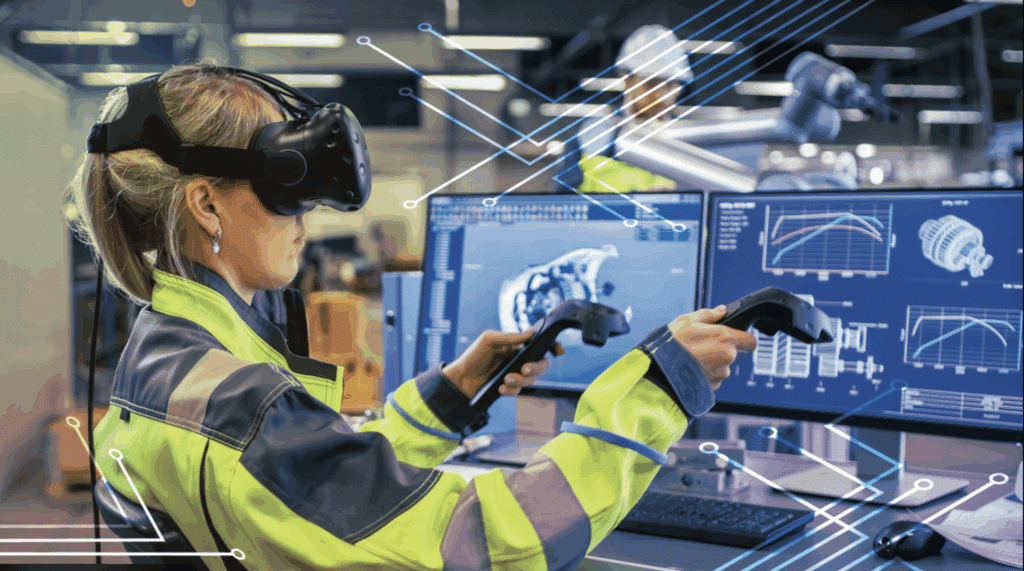
Discover how virtual reality training reduces costs, improves learning outcomes, and delivers clear, measurable ROI for technical teams. Virtual reality for training is no longer a “nice-to-have” or a futuristic experiment. Today, companies using VR aren’t chasing trends — they’re chasing results. Technical training has always been expensive. Real equipment, operational downtime, travel costs, constant supervision, and the risk of costly mistakes all add up fast. In high-risk environments, those costs multiply. More time, more money, more exposure. That’s where HyperVR comes in. With virtual reality–based technical training, teams can practice inside realistic simulated environments without putting people, equipment, or operations at risk. Employees learn by doing, make mistakes safely, correct them, and repeat the process until mastery — all before stepping into the real-world scenario. The result?Fewer on-the-job errors, fewer incidents, faster learning curves, and measurable cost savings from the very first training cycle. In this article, you’ll learn: How VR reduces operational training costs Why immersive learning improves performance How to calculate ROI for virtual reality training The question isn’t whether VR works.It’s how much money you’re losing by not using it. Why Traditional Technical Training Is So Expensive Because it relies on limited and costly resources: Real machinery and equipment High-risk environments Operational downtime during training Constant need for specialized instructors Every mistake has a cost.Every repetition consumes resources. Virtual Reality for Training: What It Is and How It Works Virtual reality training uses immersive simulated environments where employees interact with equipment, processes, and scenarios as if they were real. The key difference is simple: In the real world, mistakes are expensive In VR, mistakes are part of learning HyperVR allows teams to train safely, efficiently, and consistently. Immersive Training Without Real-World Risk With VR, companies can simulate: Complex technical operations Hazardous environments Critical failure scenarios High-risk procedures All without putting people or assets in danger. Hands-On, Repeatable Learning VR improves training effectiveness because: Learning is active, not passive Employees learn by doing Processes can be repeated as many times as needed This increases knowledge retention and shortens learning curves. Key Benefits of HyperVR for Technical Training Reduced training costs Fewer field errors Improved workplace safety Standardized training processes Performance tracking and analytics Training stops being an expense.It becomes an investment. How to Measure ROI in Virtual Reality Training ROI in VR training is calculated by comparing: Traditional training costs vs VR training costs Reduction in errors and accidents Decreased training time Productivity improvements after training When teams learn faster and make fewer mistakes, ROI becomes obvious. What is virtual reality training for technical teams? Virtual reality training uses immersive simulations to train employees safely, reduce costs, and improve learning outcomes without real-world risks. Smarter training isn’t optional anymore.Smarter training is the competitive advantage. Discover how HyperVR can reduce costs and improve technical performance from day one. Virtual reality training isn’t a future promise.It’s a present-day solution for safer, faster, and more cost-effective training. With HyperVR, technical training no longer depends on trial and error in the real world. It becomes measurable, scalable, and controlled. If efficiency, safety, and ROI matter, the choice is clear. Fewer mistakes. More control. Better training. Discover more at hyperrealitycompany.com
Realidad Virtual para Capacitación: ahorro real y ROI medible
Descubre cómo la realidad virtual para capacitación técnica reduce costos, mejora el aprendizaje y genera un ROI claro y medible. La realidad virtual para capacitación dejó de ser un experimento cool para convertirse en una herramienta estratégica. Hoy, las empresas que entrenan con VR no lo hacen por moda, lo hacen por números. Capacitar personal técnico siempre ha sido caro: equipos reales, paros operativos, traslados, supervisión constante y el riesgo de cometer errores costosos. Y si hablamos de entornos peligrosos, el problema escala rápido. Más tiempo, más dinero, más riesgo. Ahí entra HyperVR. Con entrenamiento técnico en realidad virtual, los equipos pueden aprender en entornos simulados que replican situaciones reales sin poner en peligro personas, maquinaria ni operaciones. El colaborador practica, falla, corrige y repite hasta dominar el proceso. Todo antes de enfrentarse al entorno real. ¿El resultado?Menos errores en campo, menos accidentes, mayor retención del conocimiento y ahorro tangible desde el primer ciclo de capacitación. En este artículo vas a aprender: Cómo la VR reduce costos operativos en capacitación Por qué mejora el rendimiento técnico Cómo calcular el ROI de entrenamientos con realidad virtual La pregunta no es si la VR funciona.Es cuánto dinero estás perdiendo por no usarla. ¿Por qué la capacitación técnica tradicional es tan costosa? Porque depende de recursos limitados y escenarios reales: Uso de maquinaria y equipos caros Riesgo de errores humanos Paros operativos durante el entrenamiento Necesidad de instructores especializados todo el tiempo Cada error cuesta.Cada repetición consume recursos. Realidad Virtual para Capacitación: qué es y cómo funciona La realidad virtual para capacitación utiliza entornos simulados donde el colaborador interactúa con procesos, equipos y escenarios técnicos como si fueran reales. La diferencia clave es simple: En el mundo real, el error cuesta En VR, el error enseña HyperVR permite entrenar sin consecuencias reales, optimizando tiempo, seguridad y aprendizaje. Entrenamiento inmersivo sin riesgos reales Con VR puedes simular: Operaciones complejas Escenarios peligrosos Fallas críticas Procedimientos de alto riesgo Todo sin poner en peligro personas ni activos. Aprendizaje práctico y repetible La VR mejora la capacitación porque: El aprendizaje es activo, no pasivo El colaborador aprende haciendo Los procesos pueden repetirse cuantas veces sea necesario Esto aumenta la retención del conocimiento y reduce la curva de aprendizaje. Beneficios clave de HyperVR en entrenamiento técnico Reducción de costos operativos Menos errores en campo Mayor seguridad laboral Estandarización del entrenamiento Datos y métricas de desempeño Capacitar deja de ser un gasto.Se convierte en inversión. Cómo medir el ROI en capacitación con realidad virtual El ROI en VR se mide comparando: Costos de capacitación tradicional vs VR Reducción de errores y accidentes Tiempo de entrenamiento reducido Mejora en productividad post-capacitación Cuando entrenas mejor y fallas menos, el retorno se vuelve evidente. ¿Qué es la realidad virtual para capacitación técnica? Es una tecnología que permite entrenar personal en entornos simulados e inmersivos, reduciendo riesgos, costos y errores mientras mejora la retención del aprendizaje. Capacitar mejor ya no es opcional.Capacitar de forma inteligente es la diferencia. Descubre cómo HyperVR puede reducir costos y mejorar el rendimiento de tu equipo técnico desde el primer entrenamiento. La realidad virtual para capacitación no es una promesa futurista.Es una solución actual para entrenar mejor, gastar menos y reducir riesgos. Con HyperVR, el entrenamiento técnico deja de depender de ensayo y error en el mundo real. Se vuelve medible, escalable y seguro. Si el objetivo es eficiencia, seguridad y ROI, la decisión es clara. Menos errores. Más control. Mejor capacitación. Discover more at hyperrealitycompany.com
Gamification in Retail: Increase the Average Ticket by Playing

Retail gamification to increase average ticket size, boost engagement, and turn purchases into interactive experiences. Gamification in retail is no longer just a nice trend — it’s a real strategy to sell more. Today’s consumers aren’t just looking for products; they want experiences that engage them, keep their attention, and make them come back. That’s where the game begins. When customers interact with gamified dynamics — challenges, rewards, points, or incentives — the shopping process stops being passive and becomes active. The result is clear: more time spent in-store, higher engagement, and most importantly, a higher average ticket size. In this article, I’ll show you how gamification applied to retail directly influences purchase decisions, which incentive types work best, and why solutions like HyperPlay are changing the way brands drive sales without relying on aggressive discounts. If you’re wondering how to get customers to buy more without pushing them, keep reading. Spoiler alert: playing sells — and it sells really well What Is Gamification in Retail? Retail gamification means applying game mechanics to the shopping experience to motivate specific actions: buying more, interacting with products, or returning to the store. It’s not about “playing just to play,” but about strategically designed incentives that naturally influence customer behavior. How Does Gamification Increase the Average Ticket? The logic is simple: when there’s a reward on the line, customers are willing to do a little extra. Clear examples: Adding an extra product to unlock a reward Increasing cart value to enter a game Interacting with more products to earn points or prizes Incentives that actually work: Instant rewards Unlockable discounts Limited-time challenges Quick post-purchase games HyperPlay: Purchase Incentives That Convert HyperPlay turns shopping into an interactive experience. Through mini-games integrated into physical stores or digital platforms, customers can play for real rewards by completing specific actions. Why it works: Doesn’t rely only on discounts Increases customer dwell time Improves brand perception Drives additional purchases organically Key Benefits of Gamification in Retail Higher average ticket size Increased customer engagement Stronger loyalty and repeat purchases Memorable brand experiences Valuable consumer behavior data Real-World Examples of Retail Gamification “Spend $10 more and spin the wheel” “Scan 3 products and unlock a prize” “30-second flash game after checkout” Simple. Fast. Effective. How does gamification increase the average ticket in retail? Gamification increases the average ticket size by encouraging additional purchases through rewards, challenges, and interactive mechanics that motivate customers to spend more to unlock benefits. Want your customers to buy more without feeling pressured? Discover how HyperPlay can gamify your sales and increase your average ticket size. Gamification in retail isn’t a trend — it’s a growth strategy. Turning shopping into a game increases engagement, keeps customers around longer, and naturally drives higher spending. If you’re ready to increase your average ticket by playing, HyperPlay is the next level. Retail that doesn’t play, falls behind. Discover more at hyperrealitycompany.com
Gamificación en Retail: Aumenta el Ticket Promedio Jugando
Gamificación en retail para aumentar el ticket promedio, mejorar el engagement y convertir compras en experiencias interactivas. La gamificación en retail ya no es una tendencia bonita: es una estrategia directa para vender más. Hoy los consumidores no solo buscan productos, buscan experiencias que los enganchen, los reten y los hagan volver. Y ahí es donde entra el juego. Cuando un cliente interactúa con dinámicas gamificadas —retos, premios, puntos o incentivos— el proceso de compra deja de ser pasivo y se convierte en una experiencia activa. El resultado es claro: más tiempo en tienda, mayor engagement y, sobre todo, un ticket promedio más alto. En este artículo voy a mostrarte cómo la gamificación aplicada al retail puede influir directamente en la decisión de compra, qué tipos de incentivos funcionan mejor y por qué soluciones como HyperPlay están cambiando la forma en que las marcas impulsan ventas sin recurrir a descuentos agresivos. Si te preguntas cómo lograr que tus clientes compren más sin sentirse forzados, sigue leyendo. Spoiler: jugar vende, y vende bien ¿Qué es la gamificación en retail? La gamificación en retail consiste en aplicar mecánicas de juego dentro del proceso de compra para motivar acciones específicas: comprar más, interactuar con productos o regresar a la tienda. No se trata de “jugar por jugar”, sino de diseñar incentivos estratégicos que influyan en el comportamiento del consumidor de forma natural. ¿Cómo la gamificación aumenta el ticket promedio? La lógica es simple: cuando hay una recompensa en juego, el cliente está dispuesto a hacer un poco más. Ejemplos claros: Comprar un producto adicional para desbloquear un premio Aumentar el monto del carrito para participar en una dinámica Interactuar con más productos para ganar puntos o beneficios Incentivos que funcionan: Premios instantáneos Descuentos desbloqueables Retos por tiempo limitado Juegos rápidos post-compra HyperPlay: incentivos de compra que convierten HyperPlay transforma la compra en una experiencia interactiva. A través de mini-juegos integrados en el punto de venta o plataformas digitales, los clientes participan por premios reales al cumplir acciones específicas. ¿La ventaja? No depende solo de descuentos Aumenta la permanencia del usuario Mejora la percepción de marca Impulsa compras adicionales de forma orgánica Beneficios clave de aplicar gamificación en retail Aumento del ticket promedio Mayor engagement del cliente Más recompra y fidelización Experiencias memorables de marca Datos sobre comportamiento del consumidor Ejemplos prácticos de gamificación en retail “Compra Q50 más y gira la ruleta” “Escanea 3 productos y desbloquea un premio” “Juego flash de 30 segundos después de pagar” Simple, rápido y efectivo. ¿Cómo la gamificación aumenta el ticket promedio en retail? La gamificación aumenta el ticket promedio al incentivar compras adicionales mediante premios, retos y dinámicas interactivas que motivan al cliente a gastar más para obtener una recompensa. ¿Quieres que tus clientes compren más sin sentirse presionados? Descubre cómo HyperPlay puede gamificar tus ventas y aumentar tu ticket promedio. La gamificación en retail no es una moda: es una herramienta estratégica para aumentar ventas, engagement y fidelización. Convertir la compra en una experiencia divertida hace que el cliente participe, se quede más tiempo y, sin darse cuenta, compre más. Si estás listo para subir tu ticket promedio jugando, HyperPlay es el siguiente nivel. El retail que no juega, se queda atrás. Discover more at hyperrealitycompany.com
Activaciones con AR: de stand vacío a máquina de leads
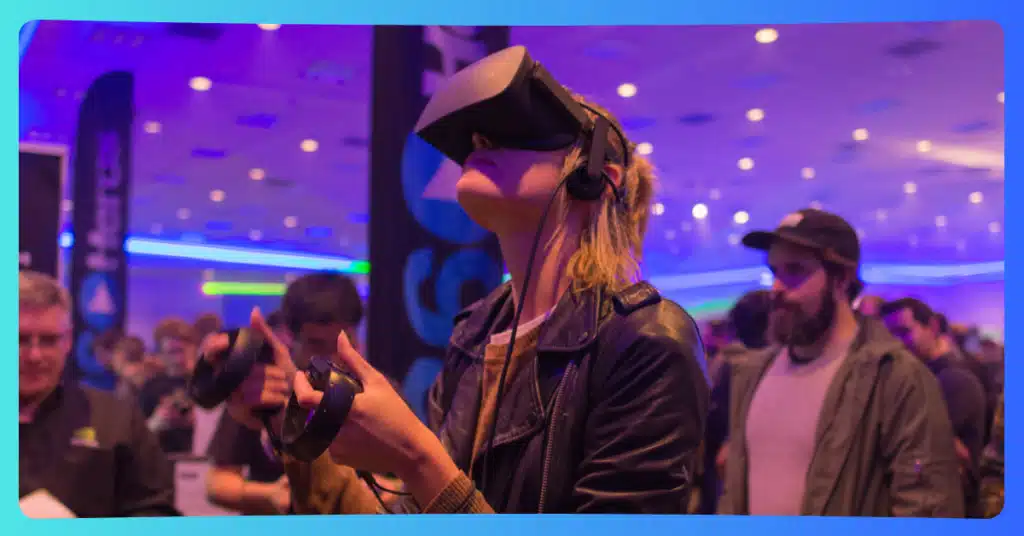
Descubre cómo las activaciones con AR transforman stands vacíos en imanes de tráfico y leads reales en eventos y ferias. Las activaciones con AR están cambiando la forma en que las marcas generan tráfico en eventos. Y no, no es hype: es supervivencia. Seamos honestos.Ferias, expos, congresos… todos llenos de stands bonitos, roll-ups caros y gente pasando de largo como si nada. El problema no es el evento. El problema es que nadie tiene un motivo real para detenerse. Ahí entra la realidad aumentada. Hoy, una activación con AR bien pensada convierte un stand invisible en una experiencia que llama, retiene y convierte. No se trata de “verse moderno”, sino de crear interacción real: gente que se queda, participa y deja datos sin sentir que la están vendiendo algo. En este artículo vas a aprender: Por qué los stands tradicionales ya no funcionan Cómo la AR genera tráfico cualificado en eventos Qué tipo de activaciones convierten curiosos en leads La pregunta es simple:¿tu stand está decorando el evento o está trabajando para ti? ¿Por qué la mayoría de los stands no generan leads? Porque hacen lo mismo de siempre: Folletos que nadie lee Pantallas que solo muestran videos en loop Promotores repitiendo el mismo speech El visitante promedio decide en 3 segundos si se detiene o sigue caminando. Si no pasa algo interesante, se va. Simple. Activaciones con AR: qué son y por qué funcionan Una activación con AR es una experiencia interactiva donde el usuario participa activamente usando su cuerpo, su celular o una pantalla inteligente. La clave no es la tecnología.La clave es que la experiencia gira alrededor del usuario, no del producto. AR como imán de atención en eventos La AR funciona porque: Rompe el patrón visual del evento Genera curiosidad inmediata Hace que la gente se quede mirando (y luego participando) Donde todos muestran, la AR invita a jugar, probar o descubrir. AR como herramienta de captación de datos La magia real pasa acá Una buena activación con AR permite: Registrar leads sin formularios eternos Obtener datos a cambio de una experiencia Calificar al lead según su interacción El usuario siente que gana algo.La marca obtiene información valiosa.Win-win. Beneficios clave de usar AR en ferias y exposiciones Más tráfico al stand Mayor tiempo de permanencia Leads más cualificados Contenido grabable y compartible Diferenciación real frente a la competencia No es decoración.Es estrategia. Ejemplos de activaciones con AR en eventos Pruebas virtuales de productos Juegos interactivos con ranking en tiempo real Experiencias personalizadas según el usuario Visualización de productos que no están físicamente Todo con un objetivo claro: atraer, interactuar y convertir. ¿Vas a seguir llevando un stand bonito… o uno que genere leads de verdad? Hablemos de cómo crear una activación con AR pensada para convertir, no solo para verse ¿Qué son las activaciones con AR en eventos? Son experiencias interactivas que usan realidad aumentada para atraer visitantes, aumentar la interacción y captar leads de forma natural durante ferias y exposiciones. Las activaciones con AR ya no son un extra.Son la diferencia entre pasar desapercibido o destacar. En un entorno donde todos compiten por atención, la AR convierte un stand más en una experiencia memorable que genera tráfico, conversación y leads reales. Si tu próximo evento importa, tu activación también debería hacerlo. La pregunta no es si usar AR.Es si estás listo para usarla bien. 🚀 Discover more at hyperrealitycompany.com
AR Activations: From Empty Booth to Lead Machine
Discover how AR activations transform empty booths into traffic magnets and generate real leads at events and trade shows. AR activations are changing the way brands generate traffic at events. And no, it’s not just hype—it’s survival. Let’s be honest. Trade shows, expos, congresses… they are all filled with pretty booths, expensive roll-ups, and people walking right past them. The problem isn’t the event. The problem is that no one has a real reason to stop. That’s where Augmented Reality comes in. Today, a well-planned AR activation turns an invisible booth into an experience that attracts, retains, and converts. It’s not about «looking modern»; it’s about creating real interaction: people who stay, participate, and leave their data without feeling like they are being sold something. In this article, you will learn: Why traditional booths no longer work. How AR generates qualified traffic at events. What types of activations turn curious onlookers into leads. The question is simple: Is your booth just decorating the event, or is it working for you? Why Most Booths Fail to Generate Leads Because they do the same old thing: Brochures that no one reads. Screens showing videos on an endless loop. Promoters repeating the same script. The average visitor decides in 3 seconds whether to stop or keep walking. If nothing interesting happens, they leave. Simple as that. AR Activations: What They Are and Why They Work An AR activation is an interactive experience where the user actively participates using their body, their smartphone, or a smart screen. The key isn’t the technology. The key is that the experience revolves around the user, not the product. AR as an Attention Magnet AR works because it: Breaks the visual pattern of the event. Generates immediate curiosity. Makes people stop and watch (and then participate). Where everyone else «shows,» AR invites people to play, try, or discover. AR as a Lead Generation Tool This is where the real magic happens 👇 A great AR activation allows you to: Register leads without eternal forms. Obtain data in exchange for an experience. Qualify the lead based on their interaction. The user feels they are gaining something. The brand gets valuable information. It’s a win-win. Key Benefits of Using AR in Trade Shows and Expos Increased booth traffic Longer dwell time Higher quality leads Shareable social media content Real differentiation from the competition It’s not decoration. It’s strategy. Examples of AR Activations at Events Virtual product trials: Let customers «try on» or «test» items. Interactive games: Real-time rankings to spark competition. Personalized experiences: Content tailored to the specific user. Product visualization: Show items that aren’t physically present due to size or stock. Everything has one clear goal: Attract, interact, and convert. Are you going to keep bringing a «pretty» booth… or one that actually generates leads? Let’s talk about creating an AR activation designed to convert, not just to look cool. What are AR activations for events? AR activations are interactive experiences that use Augmented Reality to attract visitors, increase engagement, and capture leads naturally during trade shows and exhibitions. AR activations are no longer an «extra.» They are the difference between going unnoticed and standing out. In an environment where everyone is competing for attention, AR turns just another booth into a memorable experience that generates traffic, conversation, and real leads. If your next event matters, your activation should too. The question isn’t whether to use AR. It’s whether you’re ready to use it right. 🚀 Discover more at hyperrealitycompany.com
Virtual Fitting Rooms: Reduce Returns with Augmented Reality
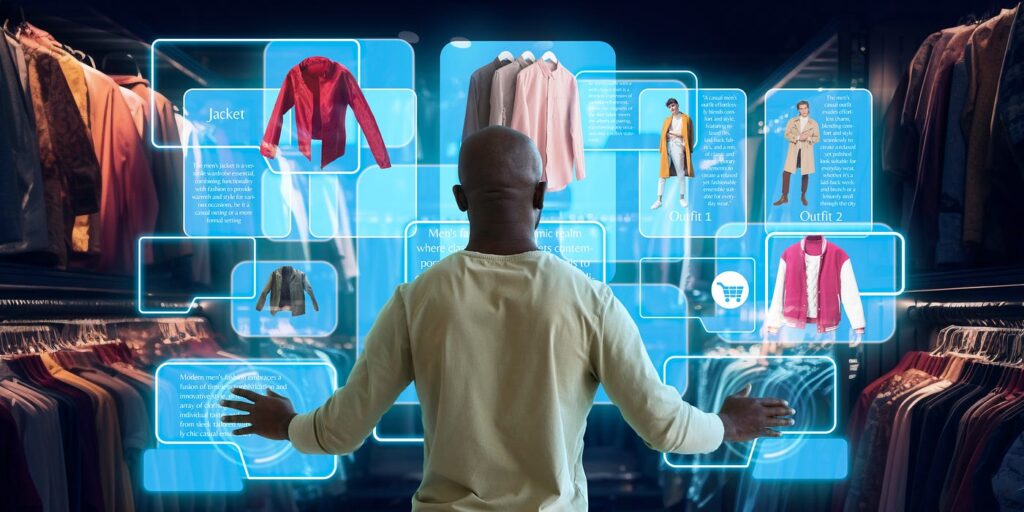
AR-powered virtual fitting rooms reduce returns and enhance the shopping experience. Discover how HyperMirror optimizes sizing and fit. Virtual fitting rooms are no longer just a «cool extra.» In 2026, they are an operational necessity. Brands are facing a costly and silent problem: returns due to incorrect sizing, poor fit, or expectations that don’t match reality. Spoiler: this kills both margins and customer experience. That’s where Augmented Reality applied to retail comes in. With virtual fitting rooms, customers can see themselves wearing a garment before buying, understand how it fits, and make an informed decision. Fewer doubts, fewer returns, higher conversion. In this article, you will discover how virtual fitting rooms reduce returns, why they improve the customer experience, and how solutions like HyperMirror allow users to visualize sizes and fits in real-time, directly on their own bodies. The question is no longer whether your store can use AR. The question is how much money you are losing by not using it. What are virtual fitting rooms and how do they work? Virtual fitting rooms use Augmented Reality to project digital garments onto the user’s body in real-time. The customer sees themselves, moves around, and evaluates how the garment fits without physically trying it on. It’s not just a pretty render. It’s an interactive experience that simulates fit, proportion, and drape The Real Problem: Returns due to Size and Fit Over 60% of fashion returns occur due to: Incorrect sizing Unexpected fit Gap between expectation and reality Every return implies: Logistics costs Product loss/depreciation Customer friction Conclusion: This isn’t a marketing problem; it’s an experience problem. Why customers don’t trust traditional sizing S, M, and L no longer have a universal meaning. Every brand sizes differently, and customers know it. The result: Shopping with doubt. «Bracket shopping» (buying multiple sizes just in case). Guaranteed returns. AR eliminates this uncertainty before checkout. HyperMirror: Optimizing Size and Fit HyperMirror allows the user to: See themselves wearing the garment in real-time. Visually compare sizes. Understand fit and proportion before buying. For the brand, this means: Fewer returns. Increased customer confidence. Better conversion rates. A standout in-store experience. It’s not just technology; it’s an informed decision. Direct Benefits for Brands and Retailers Reduced Returns: Lower operational costs. Increased Conversion: More «Add to Cart» actions. Less Purchase Friction: Faster decision-making. Innovative Experience: Creating a memorable brand. The customer buys better. The brand sells better. A true win-win. Virtual fitting rooms don’t just improve the experience: they reduce costs, increase trust, and optimize decisions. In a market where every return counts, Augmented Reality has moved from «innovation» to a competitive advantage. With HyperMirror, sizes stop being a problem and start being a solution. Ready to reduce returns and improve the shopping experience? Discover how HyperMirror transforms sizing, fit, and retail decisions. Discover more at hyperrealitycompany.com
Probadores Virtuales: Reduce Devoluciones con Realidad Aumentada
Los probadores virtuales con AR reducen devoluciones y mejoran la experiencia de compra. Descubre cómo HyperMirror optimiza tallas y ajustes. Los probadores virtuales ya no son un “extra cool”. En 2026 son una necesidad operativa.Las marcas enfrentan un problema caro y silencioso: devoluciones por talla incorrecta, mal ajuste o expectativas que no coinciden con la realidad. Spoiler: eso mata margen y experiencia. Ahí entra la Realidad Aumentada aplicada a retail. Con probadores virtuales, el cliente puede verse usando una prenda antes de comprar, entender cómo le queda y tomar una decisión informada. Menos dudas, menos devoluciones, más conversión. En este artículo vas a descubrir cómo los probadores virtuales reducen devoluciones, por qué mejoran la experiencia del cliente y cómo soluciones como HyperMirror permiten visualizar tallas y ajustes en tiempo real, directamente sobre el cuerpo del usuario. La pregunta ya no es si tu tienda puede usar AR. Es cuánto dinero estás perdiendo por no usarla. ¿Qué son los probadores virtuales y cómo funcionan? Los probadores virtuales usan Realidad Aumentada para proyectar prendas digitales sobre el cuerpo del usuario en tiempo real.El cliente se ve, se mueve y evalúa cómo le queda la prenda sin probársela físicamente. No es un render bonito.Es una experiencia interactiva que simula ajuste, proporción y caída. El problema real: devoluciones por talla y ajuste Más del 60% de las devoluciones en moda ocurren por: Talla incorrecta Ajuste inesperado Diferencia entre expectativa y realidad Cada devolución implica: Costos logísticos Pérdida de producto Fricción con el cliente Conclusión: no es un problema de marketing, es un problema de experiencia. Por qué el cliente no confía en la talla tradicional S, M y L ya no significan nada universal.Cada marca talla distinto y el cliente lo sabe. Resultado: Compra con duda Compra de más “por si acaso” Devolución segura La AR elimina esa incertidumbre antes del checkout. HyperMirror y la optimización de tallas y ajustes HyperMirror permite al usuario: Verse usando la prenda en tiempo real Comparar tallas visualmente Entender ajuste y proporción antes de comprar Para la marca significa: Menos devoluciones Mayor confianza del cliente Mejor tasa de conversión Experiencia diferencial en tienda No es solo tecnología.Es decisión informada. Beneficios directos para marcas y retailers Reducción de devoluciones Aumento de conversión Menos fricción en la compra Experiencia innovadora y memorable El cliente compra mejor. La marca vende mejor. Win-win real. Los probadores virtuales no solo mejoran la experiencia:reducen costos, aumentan confianza y optimizan decisiones. En un mercado donde cada devolución cuenta, la Realidad Aumentada deja de ser innovación para convertirse en ventaja competitiva. Con HyperMirror, las tallas dejan de ser un problema y se convierten en una solución. ¿Listo para reducir devoluciones y mejorar la experiencia de compra? Descubre cómo HyperMirror transforma tallas, ajustes y decisiones en retail. Discover more at hyperrealitycompany.com
