Static Advertising vs ROI: Why Likes No Longer Sell in 2026
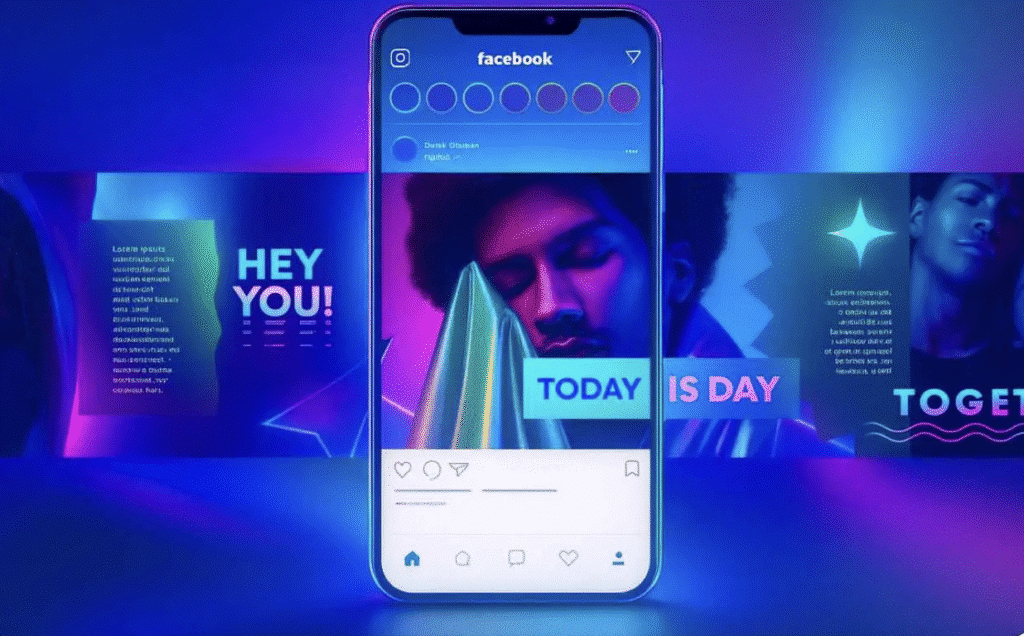
Static advertising no longer converts. In 2026, ROI rules and likes don’t matter. Learn how to beat banner blindness. Static advertising is still out there… but ROI has stopped paying attention. In 2026, attention is a scarce resource, and users have developed a ninja-level skill: ignoring ads without realizing it. This is known as banner blindness, and yes—it’s killing entire campaigns while dashboards stay full of likes that don’t pay the bills. For years, brands optimized for pretty metrics: impressions, reach, hearts. The problem? None of those pay CAC or drive real sales. Today, the companies that win understand one key truth: if your ad doesn’t deliver immediate value, the user’s brain blocks it automatically. In this article, you’ll learn why static advertising lost effectiveness, how banner blindness works in 2026, and what strategies brands are using to turn attention into revenue. The real question isn’t whether your ad is seen… it’s whether your ad matters. What Is Banner Blindness and Why Did It Get Worse in 2026? Banner blindness is a psychological phenomenon where the brain automatically ignores anything that looks like advertising. It doesn’t matter how well designed it is—if it smells like an ad, it disappears. In 2026, it got worse for three clear reasons: Ad saturation across all platforms Algorithms prioritizing real content over passive ads Users trained to scroll without looking Result: ads are visible, but mentally invisible. Static Advertising vs ROI: The Inevitable Clash Static advertising has a structural problem:it interrupts—it doesn’t interact. ROI, on the other hand, demands: Real attention Measurable interaction Concrete action A banner doesn’t talk back, adapt, or respond. That’s why today: High reach ≠ high impact Lots of likes ≠ lots of sales Platforms like Google and Meta now prioritize formats that retain attention, not just display impressions. Likes, Impressions, and Other Metrics That No Longer Mean Anything Vanity metrics ≠ business metrics. Examples of obsolete metrics: Likes Impressions Reach without interaction Metrics that actually matter in 2026: Time spent interacting Post-experience conversion Brand recall Purchase intent If you can’t connect your ad to an action, it’s not marketing—it’s digital decoration. What Type of Advertising Actually Works in 2026 Winning advertising today has three traits: Interactive (the user participates) Contextual (it appears where it makes sense) Experiential (it’s remembered, not ignored) s your brand still buying likes, or already investing in real results?Discover how to turn attention into ROI with strategies that actually work in 2026. What is banner blindness?Banner blindness is a phenomenon where users automatically ignore advertising elements—even when they’re visible—dramatically reducing their effectiveness. In 2026, static advertising didn’t die… it just stopped mattering. ROI rules, attention is selective, and users no longer reward interruptions—they reward experiences. If your strategy is still optimized for likes, you’re playing an old game with new rules. Change isn’t optional.Adapt—or disappear from the feed. Discover more at hyperrealitycompany.com
Publicidad Estática vs ROI: Por Qué los Likes Ya No Venden en 2026
La publicidad estática ya no convierte. En 2026, el ROI manda y los likes sobran. Descubre cómo vencer la ceguera al banner. La publicidad estática sigue ahí… pero el ROI ya no la mira. En 2026, la atención es un recurso escaso y los usuarios desarrollaron una habilidad nivel ninja: ignorar anuncios sin darse cuenta. A esto se le llama ceguera al banner, y sí, está matando campañas enteras mientras los dashboards siguen llenos de likes que no pagan facturas. Durante años, las marcas optimizaron para métricas bonitas: impresiones, alcance, corazones. El problema es que ninguna de esas paga el CAC ni mueve ventas reales. Hoy, las empresas que ganan son las que entienden algo clave: si tu anuncio no aporta valor inmediato, el cerebro del usuario lo bloquea automáticamente. En este artículo vas a entender por qué la publicidad estática perdió efectividad, cómo funciona la ceguera al banner en 2026 y qué estrategias están usando las marcas que sí convierten atención en ingresos.La pregunta real no es si tu anuncio se ve…es si tu anuncio importa. ¿Qué es la ceguera al banner y por qué empeoró en 2026? La ceguera al banner es cuando el usuario no ve conscientemente la publicidad, aunque esté frente a sus ojos. En 2026 empeoró por tres motivos claros: Saturación brutal de anuncios Usuarios entrenados a scrollear sin mirar Algoritmos que priorizan interacción real Resultado: anuncios visibles, impacto invisible. Publicidad estática vs ROI: el choque inevitable La publicidad estática tiene un problema estructural:interrumpe, no interactúa. Mientras tanto, el ROI exige: Atención real Interacción medible Acción concreta Un banner no conversa, no se adapta y no responde. Por eso hoy: Alto alcance ≠ alto impacto Muchos likes ≠ muchas ventas Plataformas como Google y Meta ya priorizan formatos que retienen atención, no solo que se muestran. Likes, impresiones y otras métricas que ya no dicen nada Métricas vanidosas ≠ métricas de negocio. Ejemplos de métricas obsoletas: Likes Impresiones Reach sin interacción Métricas que sí importan en 2026: Tiempo de interacción Conversión post-experiencia Recuerdo de marca Intención de compra Si no puedes conectar tu anuncio con una acción, no es marketing, es decoración digital. Qué tipo de publicidad sí funciona en 2026 La publicidad que gana hoy tiene tres características: Es interactiva (el usuario participa) Es contextual (aparece donde tiene sentido) Es experiencial (se recuerda, no se ignora) Ejemplos: Experiencias AR en retail Pantallas dinámicas con contenido reactivo Activaciones físicas + digitales (phygital) ¿Tu marca sigue comprando likes o ya está invirtiendo en resultados reales?Descubre cómo transformar atención en ROI con estrategias que sí funcionan en 2026. ¿Qué es la ceguera al banner?La ceguera al banner es un fenómeno donde los usuarios ignoran automáticamente elementos publicitarios, incluso cuando están visibles, reduciendo drásticamente su efectividad. En 2026, la publicidad estática no murió… simplemente dejó de importar.El ROI manda, la atención es selectiva y los usuarios ya no premian interrupciones, sino experiencias. Si tu estrategia sigue optimizando para likes, estás jugando un juego viejo con reglas nuevas. El cambio no es opcional.Es adaptarte o desaparecer del feed. Discover more at hyperrealitycompany.com
Augmented Reality: How It Enhances User Experience
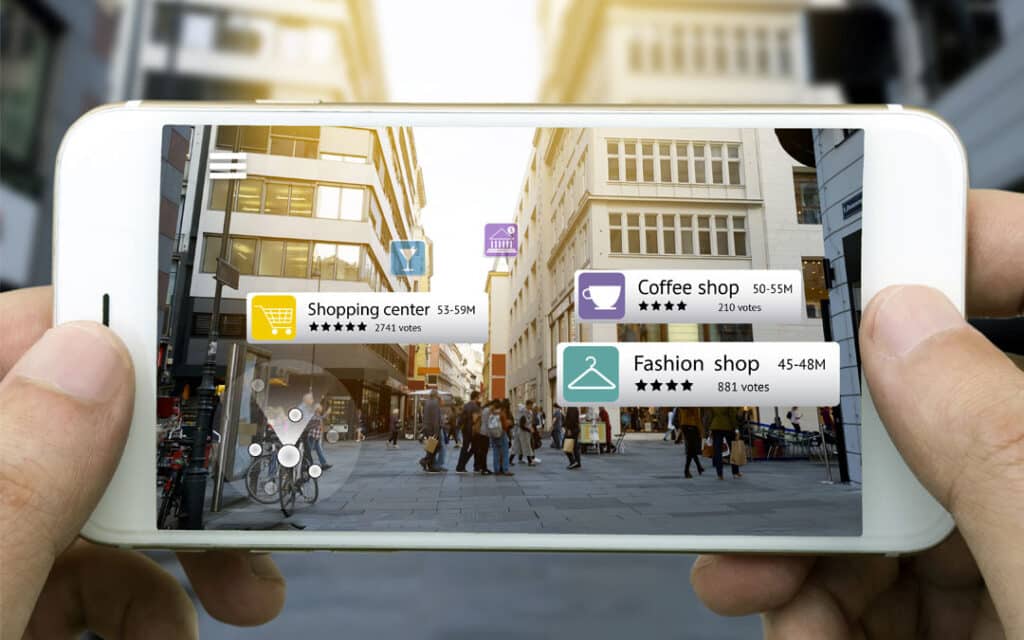
Augmented Reality: Shop, Personalize and Experience the Digital Magic Augmented Reality is radically transforming how consumers interact with both the digital and physical worlds. By superimposing virtual elements onto the real environment, this technology doesn’t just entertain—it solves practical, everyday problems. Have you ever wondered how AR can reduce friction in the buying process or increase customer loyalty? In this article, we explore how the strategic implementation of AR improves **User Experience (UX), allowing companies to offer more visual, interactive, and efficient solutions. From retail to technical support, the ability to «try before you buy» is setting a new standard for modern consumer expectations. How Does Augmented Reality Improve User Experience? Improving UX through AR is not just an aesthetic choice; it’s about reducing cognitive load and facilitating decision-making. Here are the key points: Real-Time Product Visualization: One of the biggest hurdles in e-commerce is uncertainty. AR eliminates this barrier by allowing users to see how a sofa would fit in their living room or how a specific shade of makeup looks on their skin without leaving home. Personalized Interaction: AR allows content to adapt to the user’s specific environment. This creates a sense of exclusivity and relevance that static content simply cannot replicate. Reduction of Errors and Returns: By providing an accurate representation of the product in its final context, customer expectations align with reality. This drastically decreases return rates in e-commerce. Success Stories: AR in the Real World To understand the real impact, let’s look at how some leading brands are applying these technologies: IKEA Place: Allows users to place true-to-scale furniture in their homes with 98% accuracy. Sephora Virtual Artist: Uses facial recognition so users can instantly try on thousands of makeup products. Google Maps (Live View): Enhances pedestrian navigation by superimposing directional arrows over the mobile camera view, making orientation in unfamiliar cities much easier. Key Benefits for Businesses and Brands Increased Engagement: Users spend more time interacting with applications that offer immersive experiences. Competitive Differentiation: Offering an AR tool positions a brand as innovative and customer centric. Efficient Technical Support: Interactive user manuals that provide step-by-step guidance on the actual object, improving customer self-sufficiency. Important Note: The key to success is not using AR because it’s trendy, but because it provides real value that simplifies the user’s life. In summary, Augmented Reality has moved from being a futuristic curiosity to becoming an essential tool in UX design. By closing the gap between the digital and physical realms, brands can offer transparency and interactivity that were previously impossible. Implementing AR means investing in more intuitive navigation, safer purchasing, and ultimately, a more satisfied customer. Are you ready to take your business to the next level with immersive solutions? Contact us today and discover how we can help you integrate Augmented Reality into your digital strategy. Discover more at hyperrealitycompany.com
RAvolution: donde lo virtual abraza lo real
Realidad Aumentada: Compra, Personaliza y Vive la Magia Digita La Realidad Aumentada está transformando radicalmente la forma en que los consumidores interactúan con el mundo digital y físico. Al superponer elementos virtuales sobre el entorno real, esta tecnología no solo entretiene, sino que resuelve problemas prácticos del día a día. ¿Te has preguntado alguna vez cómo la AR puede reducir la fricción en el proceso de compra o aumentar la lealtad de tus clientes? En este artículo, exploraremos cómo la implementación estratégica de la AR mejora la experiencia del usuario, permitiendo a las empresas ofrecer soluciones más visuales, interactivas y eficientes. Desde el sector retail hasta el soporte técnico, la capacidad de «probar antes de comprar» está marcando un antes y un después en las expectativas de los consumidores modernos. ¿Cómo la Realidad Aumentada mejora la Experiencia del Usuario? La mejora de la experiencia del usurario a través de la AR no es solo una cuestión estética; se trata de reducir la carga cognitiva y facilitar la toma de decisiones. Aquí analizamos los puntos clave: Visualización de productos en tiempo real: Uno de los mayores obstáculos del comercio electrónico es la incertidumbre. La AR elimina esta barrera permitiendo que los usuarios vean cómo quedaría un sofá en su sala o cómo luce un tono de maquillaje en su piel sin salir de casa. Personalización de la interacción: La AR permite que el contenido se adapte al entorno específico del usuario. Esto crea una sensación de exclusividad y relevancia que el contenido estático simplemente no puede replicar. Reducción de errores y devoluciones: Al proporcionar una representación precisa del producto en su contexto final, las expectativas del cliente se alinean con la realidad, lo que disminuye drásticamente las tasas de devolución en el e-commerce. Casos de éxito: AR en el mundo real Para entender el impacto real, veamos cómo algunas marcas líderes están aplicando estas tecnologías: KEA Place: Permite a los usuarios colocar muebles a escala real en sus hogares con una precisión del 98%. Sephora Virtual Artist: Utiliza reconocimiento facial para que las usuarias se prueben miles de productos de maquillaje instantáneamente. Google Maps (Live View): Mejora la navegación peatonal superponiendo flechas de dirección sobre la vista de la cámara del móvil, facilitando la orientación en ciudades desconocidas. Beneficios clave para las empresas y marcas Aumento del Engagement: Los usuarios pasan más tiempo interactuando con aplicaciones que ofrecen experiencias inmersivas. Diferenciación Competitiva: Ofrecer una herramienta de AR posiciona a la marca como innovadora y centrada en el cliente. Soporte Técnico Eficiente: Manuales de usuario interactivos que guían paso a paso sobre el objeto real, mejorando la autosuficiencia del cliente. Nota importante: La clave del éxito no es usar la AR porque está de moda, sino porque aporta un valor real que simplifica la vida del usuario. En resumen, la Realidad Aumentada ha dejado de ser una curiosidad futurista para convertirse en una herramienta esencial de diseño de experiencia de usuario. Al cerrar la brecha entre lo digital y lo físico, las marcas pueden ofrecer una transparencia y una interactividad que antes eran imposibles. Implementar AR significa invertir en una navegación más intuitiva, una compra más segura y, en última instancia, un cliente más satisfecho. ¿Estás listo para llevar tu negocio al siguiente nivel con soluciones inmersivas? Contáctanos hoy mismo y descubre cómo podemos ayudarte a integrar la Realidad Aumentada en tu estrategia digital. Discover more at hyperrealitycompany.com
Create Viral Experiences: The Future of Interaction!
When screens are no longer enough, the future of the digital experience is immersive. Discover how AR is revolutionizing interaction with your customers. La interacción con clientes está viviendo una metamorfosis sin precedentes hacia el mundo de la Realidad Aumentada (AR). En la era actual, el consumidor ya no se conforma con ser un espectador pasivo detrás de una pantalla de cristal; ahora busca ser el protagonista de una narrativa digital que se despliega en su propio salón. El futuro de los negocios depende de la capacidad de las marcas para romper la barrera de lo bidimensional y ofrecer soluciones que se sientan tangibles y reales. En este artículo, desglosaremos cómo la tecnología inmersiva está elevando los estándares de servicio y por qué las pantallas tradicionales están empezando a ser insuficientes. Aprenderás a utilizar la AR no solo como un efecto visual, sino como un puente sólido para generar confianza y lealtad. ¿Estás preparado para descubrir cómo transformar cada punto de contacto en una experiencia inolvidable que cautive a tu audiencia? What is an immersive digital experience? An immersive experience is one that uses technology to blur the line between the physical and digital worlds. By integrating interaction into a 3D environment, you allow customers to «live» the product before purchasing it. Strategies for more customer interaction Real-time visualization: Allows the user to place 3D models of products in their physical space. Service gamification: Transforms the resolution of doubts into an interactive and entertaining process. Extreme personalization: Adapts the digital interface to the needs and specific environment of each user. How to generate more leads with AR experiences The ability to surprise is the first step toward converting a visitor into a potential customer. When you offer a useful and futuristic tool, the capture of leads becomes organic. Immersive Catalogs: Replacing static PDFs with AR viewers increases the time spent on your website. Visual Technical Support: Solving problems through «remote over-the-shoulder assistance» drastically reduces returns and complaints. Virtual Showrooms: Allows your customers to visit your store from anywhere in the world, eliminating geographical barriers. Quick Response: The Impact of AR How does augmented reality affect customer interaction? AR improves the brand-consumer relationship through three fundamental pillars: Clarity: Eliminates ambiguities by showing the product in its real context. Confidence: Reduces the fear of error in online shopping. Retention: Immersive experiences are more memorable than traditional advertising. Success Stories and Real Examples Brands like Amazon and Warby Parker have shown that the future is already here. While Amazon allows you to see how a television looks on your wall, Warby Parker uses facial recognition so you can try on glasses virtually with amazing precision. Conclusion In summary, when screens are no longer enough, augmented reality becomes the language of modern business. Fostering a customer interaction that is immersive, useful, and emotional is the key to ensuring success in the market of tomorrow. Do not limit yourself to showing your products; allow your customers to experience them. Are you ready to integrate augmented reality into your business? Contact us today to learn about our personalized solutions and start designing the future of your brand. Discover more at hyperrealitycompany.com Section Title Blog Create Viral Experiences: The Future of Interaction! ByMaria Granillo December 17, 2025 Blog When screens are no longer enough, the future of the digital experience is immersive. Discover how AR is revolutionizing interaction with your customers. La interacción con clientes está viviendo… Read More Blog ¡Crea experiencias virales: el futuro de la interacción! ByMaria Granillo December 17, 2025 Blog When screens are no longer enough, the future of the digital experience is immersive. Discover how AR is revolutionizing interaction with your customers. Customer interaction is undergoing an… Read More Blog How to improve customer experience with augmented reality? ByDaniella Manzo December 16, 2025 Blog How does augmented reality improve the experience after buying? How to improve customer experience with augmented reality? Accompanying beyond the click After buying something, many customers… Read More Blog La realidad aumentada mejora la experiencia después de comprar ByDaniella Manzo December 16, 2025 Blog ¿Cómo mejora la realidad aumentada la experiencia después de comprar? La realidad aumentada mejora la experiencia después de comprar Acompañar más allá del clic Después de comprar, muchos… Read More Blog Realidad Aumentada para Artistas ByDiego S. Murillo December 15, 2025 Blog Innovación y Creatividad: Texaco y su Impacto en la Publicidad con VFX Integrado Innovación en Realidad Aumentada para Canella: Cómo Hyper Reality Company Transformó la Experiencia de los Autos En… Read More Blog Implementation of Digital Twins for your brand ByRossmery Garnica December 15, 2025 Blog LinkedIn Introduction In today’s business landscape defined by volatility and the constant need for optimization relying on flat data and static reports is a luxury organizations can no longer afford… Read More Blog Implementación de Gemelos Digitales para tu marca ByRossmery Garnica December 15, 2025 Blog LinkedIn Introducción En el panorama empresarial actual, regido por la volatilidad y la necesidad de optimización constante, la dependencia de datos planos y reportes estáticos es un lujo que las… Read More Blog Augmented reality: Increase the perceived value of luxury products ByDaniella Manzo December 12, 2025 Blog How does augmented reality make luxury feel even more luxurious? Augmented reality: Increase the perceived value of luxury products Breaking the barrier of the intangible In luxury products… Read More Blog Realidad Aumentada (RA): Aumentar el valor del lujo ByDaniella Manzo December 12, 2025 Blog ¿Cómo hace la realidad aumentada que el lujo se sienta aún más lujo? Realidad Aumentada (RA): Aumentar el valor del lujo Rompiendo la barrera de lo intangible En los productos de lujo siempre existe… Read More Click here Section Title Create Viral Experiences: The Future of Interaction! ByMaria Granillo December 17, 2025 Blog When screens are no longer enough, the future of the digital experience is immersive. Discover how AR is revolutionizing interaction with your customers. La interacción con clientes está viviendo… Read More ¡Crea experiencias virales: el futuro
¡Crea experiencias virales: el futuro de la interacción!
When screens are no longer enough, the future of the digital experience is immersive. Discover how AR is revolutionizing interaction with your customers. Customer interaction is undergoing an unprecedented metamorphosis toward the world of Augmented Reality (AR). In the current era, consumers are no longer content with being passive spectators behind a glass screen; now they seek to be the protagonists of a digital narrative that unfolds in their own living room. The future of business depends on the ability of brands to break the two-dimensional barrier and offer solutions that feel tangible and real. In this article, we will break down how immersive technology is raising service standards and why traditional screens are beginning to be insufficient. You will learn to use AR not only as a visual effect, but as a solid bridge to build trust and loyalty. Are you ready to discover how to transform every touchpoint into an unforgettable experience that captivates your audience? What is an immersive digital experience? An immersive experience is one that uses technology to blur the line between the physical and digital worlds. By integrating interaction into a 3D environment, you allow customers to «live» the product before purchasing it. Strategies for more customer interaction Real-time visualization: Allows the user to place 3D models of products in their physical space. Service gamification: Transforms the resolution of doubts into an interactive and entertaining process. Extreme personalization: Adapts the digital interface to the needs and specific environment of each user. How to generate more leads with AR experiences The ability to surprise is the first step toward converting a visitor into a potential customer. When you offer a useful and futuristic tool, the capture of leads becomes organic. Immersive Catalogs: Replacing static PDFs with AR viewers increases the time spent on your website. Visual Technical Support: Solving problems through «remote over-the-shoulder assistance» drastically reduces returns and complaints. Virtual Showrooms: Allows your customers to visit your store from anywhere in the world, eliminating geographical barriers. Quick Response: The Impact of AR How does augmented reality affect customer interaction? AR improves the brand-consumer relationship through three fundamental pillars: Clarity: Eliminates ambiguities by showing the product in its real context. Confidence: Reduces the fear of error in online shopping. Retention: Immersive experiences are more memorable than traditional advertising. Success Stories and Real Examples Brands like Amazon and Warby Parker have shown that the future is already here. While Amazon allows you to see how a television looks on your wall, Warby Parker uses facial recognition so you can try on glasses virtually with amazing precision. Discover more at hyperrealitycompany.com
