Augmented Reality: How It Enhances User Experience

Augmented Reality: Shop, Personalize and Experience the Digital Magic

Augmented Reality is radically transforming how consumers interact with both the digital and physical worlds. By superimposing virtual elements onto the real environment, this technology doesn’t just entertain—it solves practical, everyday problems. Have you ever wondered how AR can reduce friction in the buying process or increase customer loyalty?

In this article, we explore how the strategic implementation of AR improves **User Experience (UX), allowing companies to offer more visual, interactive, and efficient solutions. From retail to technical support, the ability to «try before you buy» is setting a new standard for modern consumer expectations.

How Does Augmented Reality Improve User Experience?

Improving UX through AR is not just an aesthetic choice; it’s about reducing cognitive load and facilitating decision-making. Here are the key points:

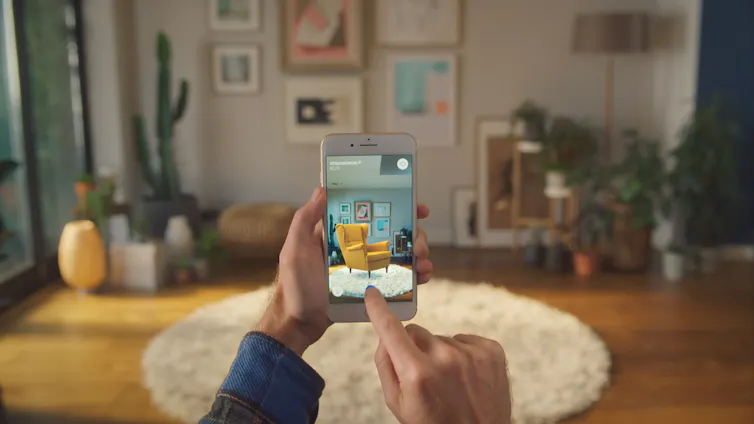
  1. Real-Time Product Visualization: One of the biggest hurdles in e-commerce is uncertainty. AR eliminates this barrier by allowing users to see how a sofa would fit in their living room or how a specific shade of makeup looks on their skin without leaving home.
  1. Personalized Interaction: AR allows content to adapt to the user’s specific environment. This creates a sense of exclusivity and relevance that static content simply cannot replicate.
  1. Reduction of Errors and Returns: By providing an accurate representation of the product in its final context, customer expectations align with reality. This drastically decreases return rates in e-commerce.
Memorable Examples of AR in Customer Experience [+Tips for ...

 Success Stories: AR in the Real World

To understand the real impact, let’s look at how some leading brands are applying these technologies:

  • IKEA Place: Allows users to place true-to-scale furniture in their homes with 98% accuracy.
  • Sephora Virtual Artist: Uses facial recognition so users can instantly try on thousands of makeup products.
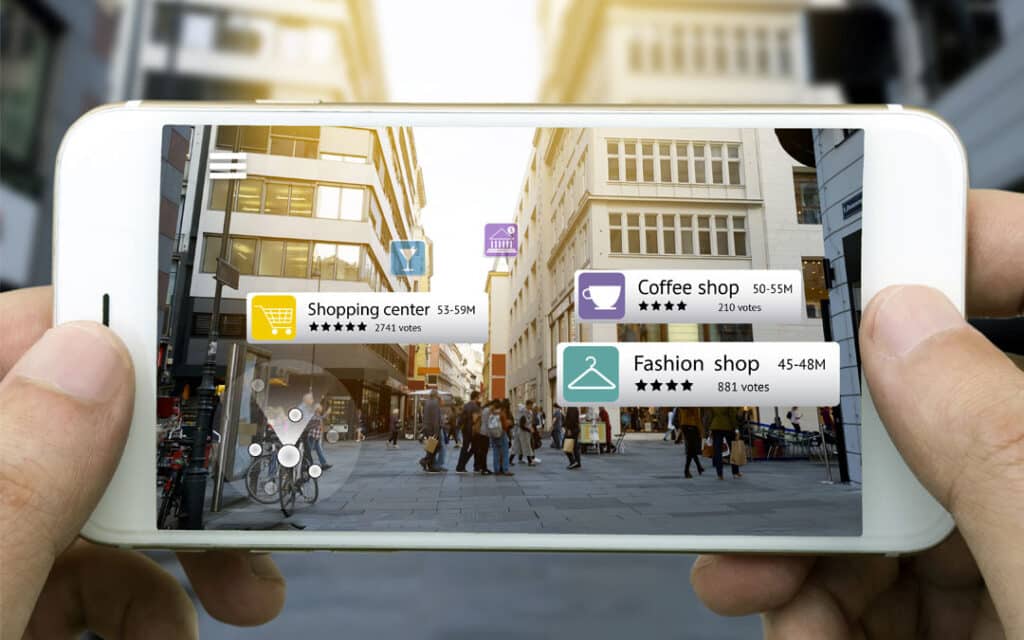
  • Google Maps (Live View): Enhances pedestrian navigation by superimposing directional arrows over the mobile camera view, making orientation in unfamiliar cities much easier.
It's time to get ready for augmented reality

Key Benefits for Businesses and Brands

  • Increased Engagement: Users spend more time interacting with applications that offer immersive experiences.
  • Competitive Differentiation: Offering an AR tool positions a brand as innovative and customer centric.
  • Efficient Technical Support: Interactive user manuals that provide step-by-step guidance on the actual object, improving customer self-sufficiency.

Important Note: The key to success is not using AR because it’s trendy, but because it provides real value that simplifies the user’s life.

In summary, Augmented Reality has moved from being a futuristic curiosity to becoming an essential tool in UX design. By closing the gap between the digital and physical realms, brands can offer transparency and interactivity that were previously impossible. Implementing AR means investing in more intuitive navigation, safer purchasing, and ultimately, a more satisfied customer.

Are you ready to take your business to the next level with immersive solutions?

Contact us today and discover how we can help you integrate Augmented Reality into your digital strategy.

Facebook
Twitter
LinkedIn

Contactanos:

Augmented Reality: How It Enhances User Experience

Augmented Reality: How It Enhances User Experience

Augmented Reality: Shop, Personalize and Experience the Digital Magic

Augmented Reality is radically transforming how consumers interact with both the digital and physical worlds. By superimposing virtual elements onto the real environment, this technology doesn’t just entertain—it solves practical, everyday problems. Have you ever wondered how AR can reduce friction in the buying process or increase customer loyalty?

In this article, we explore how the strategic implementation of AR improves **User Experience (UX), allowing companies to offer more visual, interactive, and efficient solutions. From retail to technical support, the ability to «try before you buy» is setting a new standard for modern consumer expectations.

How Does Augmented Reality Improve User Experience?

Improving UX through AR is not just an aesthetic choice; it’s about reducing cognitive load and facilitating decision-making. Here are the key points:

  1. Real-Time Product Visualization: One of the biggest hurdles in e-commerce is uncertainty. AR eliminates this barrier by allowing users to see how a sofa would fit in their living room or how a specific shade of makeup looks on their skin without leaving home.
  1. Personalized Interaction: AR allows content to adapt to the user’s specific environment. This creates a sense of exclusivity and relevance that static content simply cannot replicate.
  1. Reduction of Errors and Returns: By providing an accurate representation of the product in its final context, customer expectations align with reality. This drastically decreases return rates in e-commerce.

Memorable Examples of AR in Customer Experience [+Tips for ...

 Success Stories: AR in the Real World

To understand the real impact, let’s look at how some leading brands are applying these technologies:

  • IKEA Place: Allows users to place true-to-scale furniture in their homes with 98% accuracy.
  • Sephora Virtual Artist: Uses facial recognition so users can instantly try on thousands of makeup products.
  • Google Maps (Live View): Enhances pedestrian navigation by superimposing directional arrows over the mobile camera view, making orientation in unfamiliar cities much easier.

It's time to get ready for augmented reality

Key Benefits for Businesses and Brands

  • Increased Engagement: Users spend more time interacting with applications that offer immersive experiences.
  • Competitive Differentiation: Offering an AR tool positions a brand as innovative and customer centric.
  • Efficient Technical Support: Interactive user manuals that provide step-by-step guidance on the actual object, improving customer self-sufficiency.

Important Note: The key to success is not using AR because it’s trendy, but because it provides real value that simplifies the user’s life.

In summary, Augmented Reality has moved from being a futuristic curiosity to becoming an essential tool in UX design. By closing the gap between the digital and physical realms, brands can offer transparency and interactivity that were previously impossible. Implementing AR means investing in more intuitive navigation, safer purchasing, and ultimately, a more satisfied customer.

Are you ready to take your business to the next level with immersive solutions?

Contact us today and discover how we can help you integrate Augmented Reality into your digital strategy.

Facebook
Twitter
LinkedIn
Facebook
Twitter
LinkedIn

Contactanos:

Contactanos: