Virtual Reality for Events
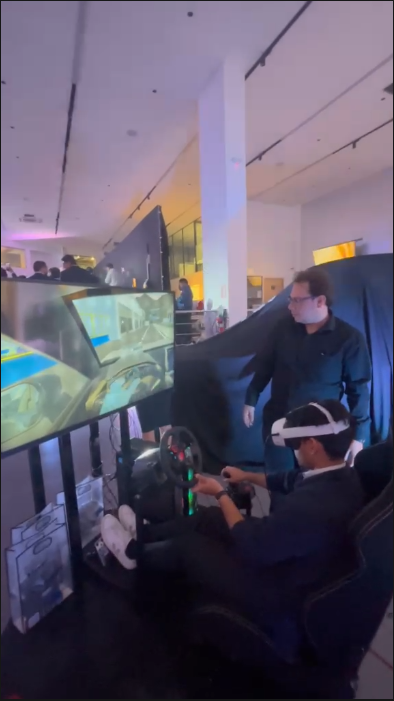
Discover the driving simulator developed for Suzuki. How Hyper Took Suzuki’s Driving Experience to the Next Level Capturing attendees’ attention at an event is becoming increasingly challenging. Visitors are no longer satisfied with simply viewing products or receiving information—they want experiences that surprise them, engage them, and allow them to connect with a brand in a meaningful way. In this context, Virtual Reality (VR) has become one of the most innovative tools for transforming a traditional booth into an interactive and memorable experience. At Hyper, we believe technology should create emotions and build genuine connections between brands and people. A great example is the project we developed for Suzuki, where we designed an immersive virtual reality driving simulator that allowed attendees to get behind the wheel of a Suzuki vehicle in a completely virtual environment. Why Use Virtual Reality at an Event? Virtual reality offers benefits that go far beyond entertainment. Because it is immersive and interactive, it naturally captures people’s curiosity and transforms a booth into one of the main attractions at an event. Some of its key advantages include: Attracting more visitors to the booth. Increasing the amount of time attendees spend interacting with the brand. Creating memorable experiences that improve brand recall. Helping brands stand out from other exhibitors. Encouraging attendees to share their experience on social media. Presenting products in an innovative and engaging way. When people actively experience a brand instead of simply receiving information, they are far more likely to remember it and build a stronger emotional connection. Success Story: Suzuki and Hyper As part of a brand activation, Suzuki wanted to offer visitors a unique and engaging experience during one of its events. The objective was not only to showcase one of its vehicles but also to allow attendees to experience what it feels like to drive it in a fun, innovative, and safe way. To achieve this, Hyper developed a virtual reality driving simulator that immersed participants in an interactive driving experience from the very first moment. How We Developed the Experience The project began with the design of a virtual environment created to deliver a smooth and realistic driving experience. Every detail was carefully planned to ensure the experience was intuitive, engaging, and accessible for participants of all ages—even those who had never used a VR headset before. Once the experience began, participants put on the virtual reality headset and took their place in front of the driving simulator. Within seconds, they were transported into a digital world where they could drive a Suzuki vehicle while interacting with the virtual environment. During the simulation, users were able to accelerate, brake, and steer using the simulator’s controls while watching the vehicle respond in real time inside the virtual world. The synchronization between the physical controls and the digital environment created an immersive sensation that made the experience feel remarkably close to real driving. Rather than simply watching a demonstration, every participant became the main character of the experience, interacting directly with the Suzuki brand in an engaging and memorable way. Virtual Reality The experience attracted attention from the very beginning. The combination of the driving simulator and virtual reality sparked curiosity among attendees, creating a steady flow of visitors eager to participate. While some participants were enjoying the simulation, others gathered around to watch, generating additional interest and increasing traffic to Suzuki’s booth throughout the event. Beyond providing entertainment, the activation reinforced Suzuki’s image as an innovative brand that embraces cutting-edge technology to connect with its audience in meaningful ways. Why Do These Experiences Work? People remember experiences far more than they remember advertisements or product displays. Virtual reality combines immersion, interaction, and emotion—three powerful elements that strengthen brand recall and create deeper connections with audiences. These immersive activations also encourage conversations among attendees and increase the likelihood that participants will share their experience on social media, extending the event’s reach far beyond the exhibition floor. Which Industries Can Benefit from Virtual Reality? Although virtual reality is often associated with entertainment, its applications extend across many industries. Some examples include: Automotive brands offering virtual test drives. Real estate companies showcasing properties before construction is complete. Construction firms presenting immersive project walkthroughs. Universities providing virtual campus tours. Shopping malls creating engaging customer activations. Companies participating in trade shows and exhibitions that want to stand out from competitors. The flexibility of virtual reality makes it possible to tailor each experience to the specific goals and objectives of any brand. Conclusion Virtual reality is transforming the way companies participate in events and brand activations. Rather than simply displaying a product, it creates immersive experiences that engage users, evoke emotions, and strengthen brand recognition. The project developed by Hyper for Suzuki demonstrates how an immersive driving experience can turn a traditional exhibition booth into one of the event’s biggest attractions. By allowing attendees to get behind the wheel of a Suzuki vehicle in a virtual environment, Hyper created an innovative, interactive, and memorable experience that reflected the brand’s commitment to innovation. At Hyper Reality Company we create immersive experiences, CGI content, and innovative technology solutions that help brands tell their stories in more engaging, memorable, and interactive ways.
Realidad virtual para eventos
Descubre el simulador de manejo desarrollado para Suzuki. Cómo convertir un stand en una experiencia inolvidable En un evento, captar la atención de los asistentes es cada vez más desafiante. Los visitantes ya no buscan únicamente observar productos o recibir información; esperan vivir experiencias que los sorprendan, los involucren y les permitan conectar con una marca de una forma diferente. En este contexto, la realidad virtual (VR) se ha convertido en una de las herramientas más innovadoras para transformar un stand convencional en un espacio interactivo y memorable En Hyper creemos que la tecnología debe generar emociones y crear conexiones reales entre las marcas y las personas. Un ejemplo de ello fue el proyecto desarrollado para Suzuki, donde diseñamos una experiencia inmersiva que permitió a los asistentes ponerse al volante de un vehículo mediante un simulador de realidad virtual. ¿Por qué implementar realidad virtual en un evento? La realidad virtual ofrece ventajas que van mucho más allá del entretenimiento. Al tratarse de una experiencia inmersiva e interactiva, despierta la curiosidad de los asistentes y convierte al stand en un punto de atracción dentro del evento. Entre sus principales beneficios destacan: Incrementa el flujo de visitantes hacia el stand. Aumenta el tiempo de permanencia de los asistentes. Genera una experiencia memorable que fortalece el recuerdo de marca. Diferencia a la empresa frente a otros expositores. Motiva a los usuarios a compartir la experiencia en redes sociales. Permite presentar productos de una forma innovadora e interactiva. Cuando una persona vive una experiencia en primera persona, la conexión con la marca suele ser mucho más fuerte que cuando únicamente recibe información de forma tradicional. Caso de éxito: Suzuki y Hyper Como parte de una activación de marca, Suzuki buscaba ofrecer una experiencia diferente para los asistentes a uno de sus eventos. El objetivo era que las personas no solo conocieran uno de sus vehículos, sino que también pudieran experimentar la sensación de conducirlo de una forma innovadora, segura y entretenida. Para lograrlo, en Hyper desarrollamos un simulador de conducción en realidad virtual que permitía a los participantes vivir una experiencia inmersiva desde el primer momento. Así desarrollamos la experiencia El proyecto comenzó con el diseño de un entorno virtual pensado para ofrecer una conducción fluida y realista. Cada detalle fue planificado para que la experiencia resultara intuitiva y atractiva para usuarios de diferentes edades, incluso para quienes nunca habían utilizado un visor de realidad virtual. Al iniciar la actividad, el participante se colocaba el visor de realidad virtual y tomaba posición frente al simulador. En cuestión de segundos era transportado a un escenario digital donde podía conducir un vehículo Suzuki mientras interactuaba con el entorno virtual. Durante el recorrido, el usuario podía acelerar, frenar y girar utilizando los controles del simulador, mientras observaba en tiempo real cómo respondía el vehículo dentro del escenario virtual. La sincronización entre los movimientos físicos y el entorno digital generaba una sensación de inmersión que hacía que la experiencia se sintiera mucho más cercana a una conducción real. Más que una demostración tecnológica, el simulador permitió que cada participante se convirtiera en el protagonista de la experiencia, interactuando directamente con la marca de una manera diferente. Realidad Virtual La realidad virtual ha abierto nuevas oportunidades para que las marcas creen experiencias mucho más envolventes. A través de entornos virtuales, las personas pueden interactuar con productos, espacios o conceptos antes incluso de experimentarlos en la vida real. Esta tecnología permite construir historias mucho más impactantes porque convierte al usuario en parte de la experiencia. ¿Por qué este tipo de experiencias funciona? Las personas recuerdan mucho más aquello que viven que aquello que simplemente observan. La realidad virtual combina interacción, emoción e inmersión, tres elementos que favorecen el recuerdo de una marca y generan una conexión más profunda con los asistentes. Este tipo de activaciones también fomenta la conversación entre los visitantes y aumenta las posibilidades de que la experiencia sea compartida en redes sociales, ampliando el alcance del evento de manera orgánica. ¿Qué empresas pueden aprovechar la realidad virtual? Aunque suele asociarse con la industria del entretenimiento, la realidad virtual tiene aplicaciones en múltiples sectores. Algunos ejemplos son: Marcas automotrices que desean ofrecer pruebas de manejo virtuales. Empresas inmobiliarias que buscan mostrar proyectos antes de su construcción. Constructoras que presentan recorridos interactivos de sus desarrollos. Universidades que desean enseñar sus instalaciones de forma inmersiva. Centros comerciales que organizan activaciones para atraer visitantes. Empresas que participan en ferias y exposiciones y desean diferenciarse de la competencia. La flexibilidad de esta tecnología permite adaptar cada experiencia a los objetivos específicos de una marca. Conclusión La realidad virtual está transformando la manera en que las empresas participan en eventos y activaciones de marca. Más allá de mostrar un producto, permite crear experiencias que involucran al usuario, generan emociones y fortalecen el recuerdo de marca. El proyecto desarrollado por Hyper para Suzuki es un ejemplo de cómo una experiencia inmersiva puede convertir un stand en uno de los principales atractivos de un evento. Al permitir que los asistentes se pusieran al volante de un vehículo en un entorno virtual, se logró crear una interacción diferente, memorable y alineada con la innovación que representa la marca. En Hyper Reality Company desarrollamos experiencias inmersivas, contenido CGI y soluciones tecnológicas para ayudar a las marcas a contar historias de una forma más innovadora, memorable e interactiva.
