Virtual Reality for Events

Discover the driving simulator developed for Suzuki.

How Hyper Took Suzuki’s Driving Experience to the Next Level

Capturing attendees’ attention at an event is becoming increasingly challenging. Visitors are no longer satisfied with simply viewing products or receiving information—they want experiences that surprise them, engage them, and allow them to connect with a brand in a meaningful way. In this context, Virtual Reality (VR) has become one of the most innovative tools for transforming a traditional booth into an interactive and memorable experience.

At Hyper, we believe technology should create emotions and build genuine connections between brands and people. A great example is the project we developed for Suzuki, where we designed an immersive virtual reality driving simulator that allowed attendees to get behind the wheel of a Suzuki vehicle in a completely virtual environment.

Why Use Virtual Reality at an Event?

Virtual reality offers benefits that go far beyond entertainment. Because it is immersive and interactive, it naturally captures people’s curiosity and transforms a booth into one of the main attractions at an event.

Some of its key advantages include:

  • Attracting more visitors to the booth.
  • Increasing the amount of time attendees spend interacting with the brand.
  • Creating memorable experiences that improve brand recall.
  • Helping brands stand out from other exhibitors.
  • Encouraging attendees to share their experience on social media.
  • Presenting products in an innovative and engaging way.

When people actively experience a brand instead of simply receiving information, they are far more likely to remember it and build a stronger emotional connection.

Success Story: Suzuki and Hyper

As part of a brand activation, Suzuki wanted to offer visitors a unique and engaging experience during one of its events. The objective was not only to showcase one of its vehicles but also to allow attendees to experience what it feels like to drive it in a fun, innovative, and safe way.

To achieve this, Hyper developed a virtual reality driving simulator that immersed participants in an interactive driving experience from the very first moment.

How We Developed the Experience

The project began with the design of a virtual environment created to deliver a smooth and realistic driving experience. Every detail was carefully planned to ensure the experience was intuitive, engaging, and accessible for participants of all ages—even those who had never used a VR headset before.

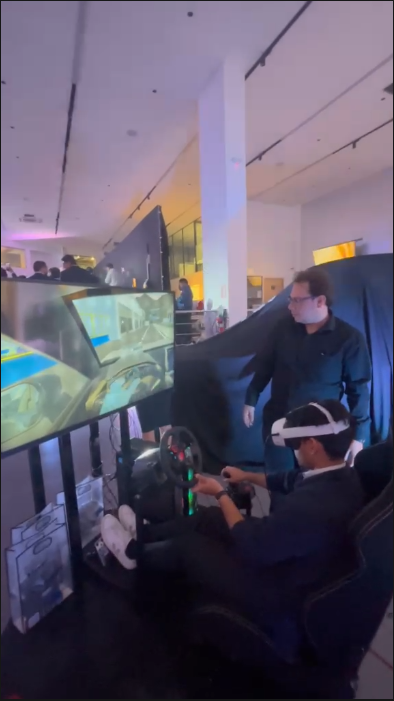
Once the experience began, participants put on the virtual reality headset and took their place in front of the driving simulator. Within seconds, they were transported into a digital world where they could drive a Suzuki vehicle while interacting with the virtual environment.

During the simulation, users were able to accelerate, brake, and steer using the simulator’s controls while watching the vehicle respond in real time inside the virtual world. The synchronization between the physical controls and the digital environment created an immersive sensation that made the experience feel remarkably close to real driving.

Rather than simply watching a demonstration, every participant became the main character of the experience, interacting directly with the Suzuki brand in an engaging and memorable way.

Virtual Reality

The experience attracted attention from the very beginning. The combination of the driving simulator and virtual reality sparked curiosity among attendees, creating a steady flow of visitors eager to participate.

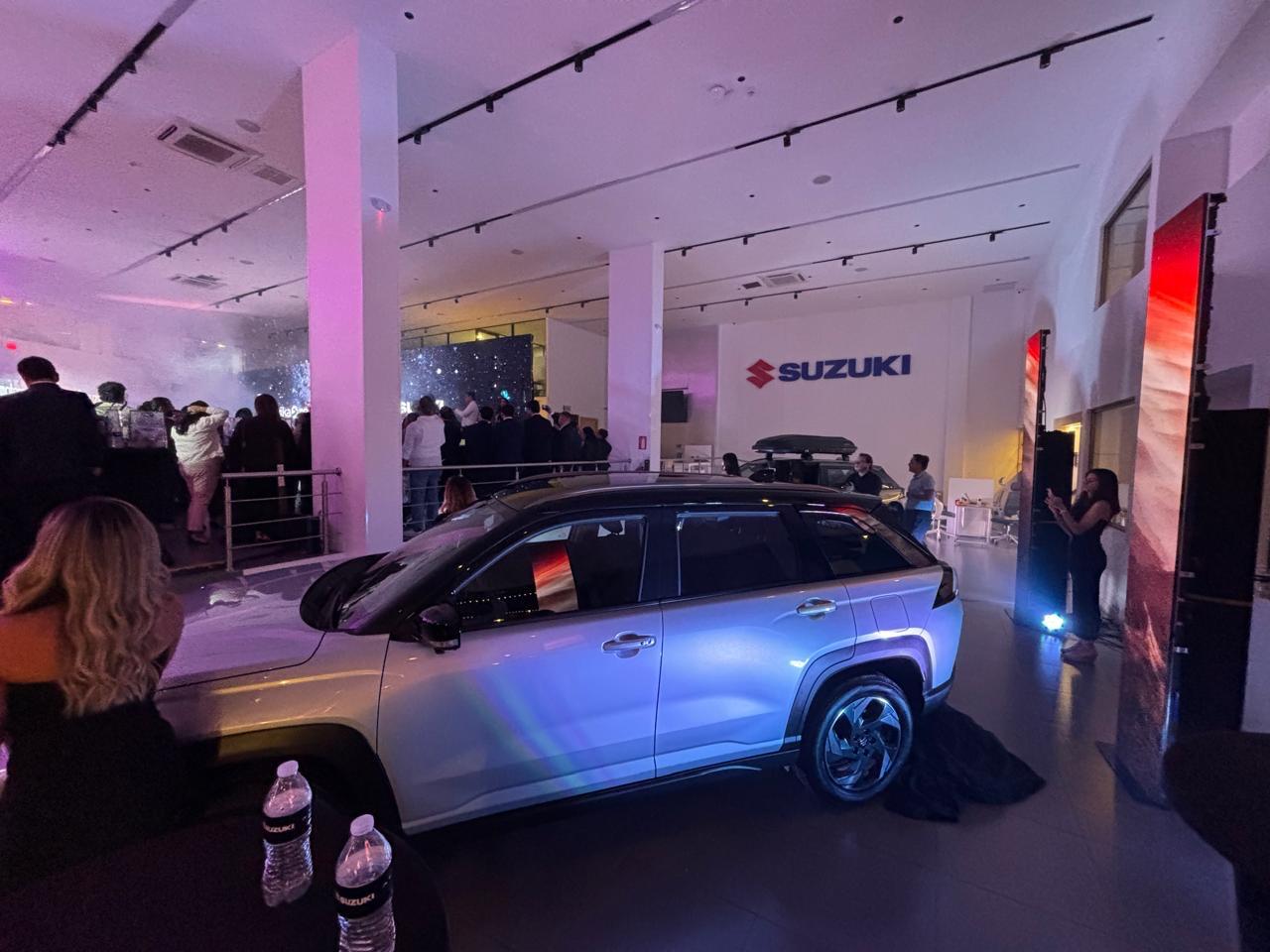
While some participants were enjoying the simulation, others gathered around to watch, generating additional interest and increasing traffic to Suzuki’s booth throughout the event.

Beyond providing entertainment, the activation reinforced Suzuki’s image as an innovative brand that embraces cutting-edge technology to connect with its audience in meaningful ways.

Why Do These Experiences Work?

People remember experiences far more than they remember advertisements or product displays. Virtual reality combines immersion, interaction, and emotion—three powerful elements that strengthen brand recall and create deeper connections with audiences.

These immersive activations also encourage conversations among attendees and increase the likelihood that participants will share their experience on social media, extending the event’s reach far beyond the exhibition floor.

Which Industries Can Benefit from Virtual Reality?

Although virtual reality is often associated with entertainment, its applications extend across many industries.

Some examples include:

  • Automotive brands offering virtual test drives.
  • Real estate companies showcasing properties before construction is complete.
  • Construction firms presenting immersive project walkthroughs.
  • Universities providing virtual campus tours.
  • Shopping malls creating engaging customer activations.
  • Companies participating in trade shows and exhibitions that want to stand out from competitors.

The flexibility of virtual reality makes it possible to tailor each experience to the specific goals and objectives of any brand.
Conclusion

Virtual reality is transforming the way companies participate in events and brand activations. Rather than simply displaying a product, it creates immersive experiences that engage users, evoke emotions, and strengthen brand recognition.

The project developed by Hyper for Suzuki demonstrates how an immersive driving experience can turn a traditional exhibition booth into one of the event’s biggest attractions. By allowing attendees to get behind the wheel of a Suzuki vehicle in a virtual environment, Hyper created an innovative, interactive, and memorable experience that reflected the brand’s commitment to innovation.

At Hyper Reality Company we create immersive experiences, CGI content, and innovative technology solutions that help brands tell their stories in more engaging, memorable, and interactive ways.

Facebook
Twitter
LinkedIn

Contactanos:

Virtual Reality for Events

Virtual Reality for Events

Discover the driving simulator developed for Suzuki.

How Hyper Took Suzuki’s Driving Experience to the Next Level

Capturing attendees’ attention at an event is becoming increasingly challenging. Visitors are no longer satisfied with simply viewing products or receiving information—they want experiences that surprise them, engage them, and allow them to connect with a brand in a meaningful way. In this context, Virtual Reality (VR) has become one of the most innovative tools for transforming a traditional booth into an interactive and memorable experience.

At Hyper, we believe technology should create emotions and build genuine connections between brands and people. A great example is the project we developed for Suzuki, where we designed an immersive virtual reality driving simulator that allowed attendees to get behind the wheel of a Suzuki vehicle in a completely virtual environment.

Why Use Virtual Reality at an Event?

Virtual reality offers benefits that go far beyond entertainment. Because it is immersive and interactive, it naturally captures people’s curiosity and transforms a booth into one of the main attractions at an event.

Some of its key advantages include:

  • Attracting more visitors to the booth.
  • Increasing the amount of time attendees spend interacting with the brand.
  • Creating memorable experiences that improve brand recall.
  • Helping brands stand out from other exhibitors.
  • Encouraging attendees to share their experience on social media.
  • Presenting products in an innovative and engaging way.

When people actively experience a brand instead of simply receiving information, they are far more likely to remember it and build a stronger emotional connection.

Success Story: Suzuki and Hyper

As part of a brand activation, Suzuki wanted to offer visitors a unique and engaging experience during one of its events. The objective was not only to showcase one of its vehicles but also to allow attendees to experience what it feels like to drive it in a fun, innovative, and safe way.

To achieve this, Hyper developed a virtual reality driving simulator that immersed participants in an interactive driving experience from the very first moment.

How We Developed the Experience

The project began with the design of a virtual environment created to deliver a smooth and realistic driving experience. Every detail was carefully planned to ensure the experience was intuitive, engaging, and accessible for participants of all ages—even those who had never used a VR headset before.

Once the experience began, participants put on the virtual reality headset and took their place in front of the driving simulator. Within seconds, they were transported into a digital world where they could drive a Suzuki vehicle while interacting with the virtual environment.

During the simulation, users were able to accelerate, brake, and steer using the simulator’s controls while watching the vehicle respond in real time inside the virtual world. The synchronization between the physical controls and the digital environment created an immersive sensation that made the experience feel remarkably close to real driving.

Rather than simply watching a demonstration, every participant became the main character of the experience, interacting directly with the Suzuki brand in an engaging and memorable way.

Virtual Reality

The experience attracted attention from the very beginning. The combination of the driving simulator and virtual reality sparked curiosity among attendees, creating a steady flow of visitors eager to participate.

While some participants were enjoying the simulation, others gathered around to watch, generating additional interest and increasing traffic to Suzuki’s booth throughout the event.

Beyond providing entertainment, the activation reinforced Suzuki’s image as an innovative brand that embraces cutting-edge technology to connect with its audience in meaningful ways.

Why Do These Experiences Work?

People remember experiences far more than they remember advertisements or product displays. Virtual reality combines immersion, interaction, and emotion—three powerful elements that strengthen brand recall and create deeper connections with audiences.

These immersive activations also encourage conversations among attendees and increase the likelihood that participants will share their experience on social media, extending the event’s reach far beyond the exhibition floor.

Which Industries Can Benefit from Virtual Reality?

Although virtual reality is often associated with entertainment, its applications extend across many industries.

Some examples include:

  • Automotive brands offering virtual test drives.
  • Real estate companies showcasing properties before construction is complete.
  • Construction firms presenting immersive project walkthroughs.
  • Universities providing virtual campus tours.
  • Shopping malls creating engaging customer activations.
  • Companies participating in trade shows and exhibitions that want to stand out from competitors.

The flexibility of virtual reality makes it possible to tailor each experience to the specific goals and objectives of any brand.

Conclusion

Virtual reality is transforming the way companies participate in events and brand activations. Rather than simply displaying a product, it creates immersive experiences that engage users, evoke emotions, and strengthen brand recognition.

The project developed by Hyper for Suzuki demonstrates how an immersive driving experience can turn a traditional exhibition booth into one of the event’s biggest attractions. By allowing attendees to get behind the wheel of a Suzuki vehicle in a virtual environment, Hyper created an innovative, interactive, and memorable experience that reflected the brand’s commitment to innovation.

At Hyper Reality Company we create immersive experiences, CGI content, and innovative technology solutions that help brands tell their stories in more engaging, memorable, and interactive ways.

Facebook
Twitter
LinkedIn
Facebook
Twitter
LinkedIn

Contactanos:

Contactanos: