Augmented Reality for Museums
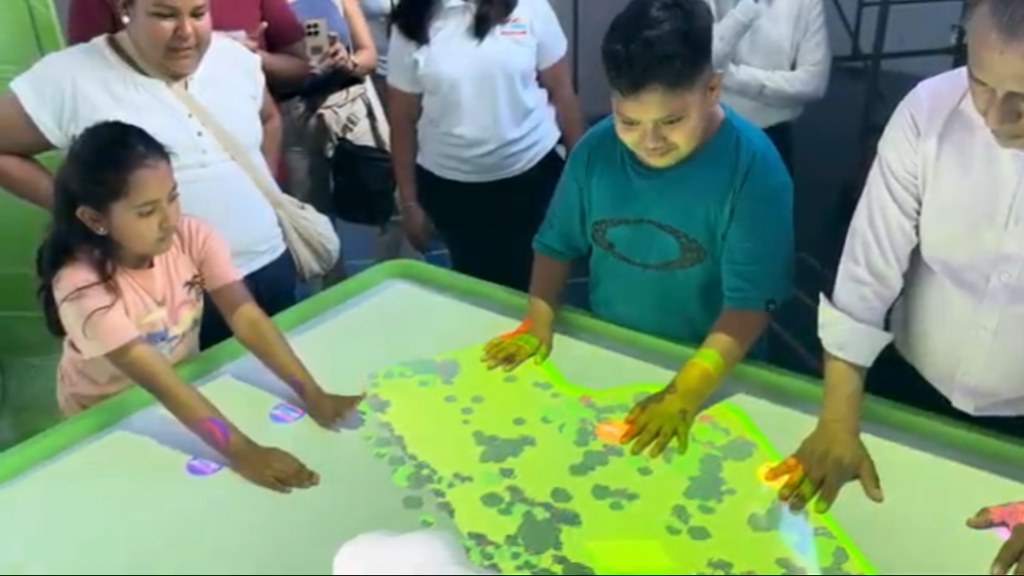
Museums are evolving. Thanks to technologies like augmented reality and interactive experiences, it’s now possible to transform a traditional visit into an engaging journey where visitors learn by participating, exploring, and interacting. How Augmented Reality Is Transforming the Museum Experience Visiting a museum is no longer just about observing artifacts or reading information panels. Today, technology allows visitors to interact, play, and learn in a much more engaging way. Augmented reality and interactive experiences are changing how museums tell their stories, making every visit more memorable while creating a natural and immersive learning experience. When Learning Becomes an Experience One of the biggest challenges museums face is capturing and maintaining visitors’ attention, especially among children and younger audiences. Immersive technology addresses this challenge by turning information into an interactive experience. Instead of explaining a topic through text or static images alone, museums can transform it into a game, a challenge, or an activity where visitors become part of the story. This type of interaction not only increases engagement but also improves understanding and knowledge retention. A Real Example: Learning Guatemala’s Geography Through Play Recently, Hyper developed an interactive experience for the Museo del Niño Guatemala with a clear objective: teaching the country’s geography in a fun and engaging way. The installation featured a wall projection displaying Guatemala’s departments as pieces of a digital puzzle. Visitors were invited to place each department in its correct location, interacting directly with the projection while learning about the country’s geography. Within seconds, a subject traditionally taught through textbooks became a collaborative, entertaining, and educational experience. Why Do Interactive Experiences Work? People remember what they actively engage with. When visitors participate in an activity instead of simply observing it, they become part of the experience rather than passive spectators. This creates several benefits: Higher visitor engagement. More intuitive learning. Memorable experiences for both children and adults. Greater interaction among families and school groups. A more appealing museum experience for younger generations. Technology doesn’t replace education—it enhances it. Beyond a Digital Puzzle The possibilities of augmented reality and immersive technologies in museums are virtually limitless. Some examples include: Recreating historical events. Displaying animals or extinct species in life size. Creating interactive treasure hunts. Bringing historical figures to life through animation. Explaining scientific concepts with interactive 3D models. Designing guided experiences where visitors unlock new content as they explore. Every experience can be tailored to the museum’s theme, objectives, and audience. The Future of Museums Is Interactive Museums are evolving from places where people simply observe to spaces where they actively experience and participate. By incorporating immersive technologies, museums can make education more engaging, inclusive, and memorable, creating experiences that stay with visitors long after they leave. At Hyper, we believe the best way to learn is through interaction. That’s why we develop immersive experiences, augmented reality solutions, interactive projections, and digital technologies that transform the way people discover, explore, and connect with knowledge. Ready to Transform Your Museum Experience? Whether you’re looking to implement augmented reality, interactive projections, 3D experiences, or custom immersive installations, Hyper creates tailored solutions that help museums deliver unforgettable educational experiences for every visitor. . Conclusion Technology is redefining the way people experience culture and learning. Augmented reality and interactive experiences enable museums to create more dynamic, engaging, and memorable visits, encouraging every visitor to actively participate and connect with the content in a unique way. At Hyper Reality Company we create immersive experiences, 3D content, and innovative technology solutions that take museums, events, businesses, and brand experiences to the next level.
Realidad aumentada para museos
Los museos están evolucionando. Gracias a tecnologías como la realidad aumentada y las experiencias interactivas, ahora es posible transformar una visita tradicional en una experiencia donde los visitantes aprenden mientras participan y exploran. Cómo la realidad aumentada está transformando la experiencia en los museos Entrar a un museo ya no significa únicamente observar objetos o leer paneles informativos. Hoy, la tecnología permite que los visitantes interactúen, jueguen y aprendan de una forma mucho más dinámica. La realidad aumentada y las experiencias interactivas están cambiando la manera en que los museos cuentan sus historias, logrando que cada visita sea más memorable y que el aprendizaje ocurra de forma natural. Cuando aprender se convierte en una experiencia Uno de los mayores retos de cualquier museo es mantener la atención de sus visitantes, especialmente de niños y jóvenes. La tecnología inmersiva resuelve este desafío al transformar la información en una actividad participativa. En lugar de explicar un tema únicamente con texto o imágenes, es posible convertirlo en un juego, un desafío o una experiencia donde el visitante forma parte de la historia. Este tipo de interacción no solo aumenta el interés, sino que también mejora la comprensión y la retención del conocimiento. Un ejemplo: aprender la geografía de Guatemala jugando Recientemente, en Hyper desarrollamos una experiencia interactiva para el Museo del Niño Guatemala con un objetivo muy claro: enseñar la geografía del país de una forma diferente. La instalación utilizaba una proyección sobre una pared donde aparecían los departamentos de Guatemala como piezas de un rompecabezas digital. Los visitantes debían colocar cada departamento en su ubicación correcta, interactuando directamente con la proyección mientras aprendían sobre el mapa del país. En pocos segundos, un tema que normalmente se enseña de forma tradicional se convertía en una actividad colaborativa, entretenida y educativa. ¿Por qué funcionan este tipo de experiencias? Las personas recuerdan mejor aquello con lo que interactúan. Cuando un visitante participa activamente en una actividad, deja de ser un espectador para convertirse en protagonista de la experiencia. Esto genera beneficios como: Mayor participación durante la visita. Aprendizaje más intuitivo. Experiencias memorables para niños y adultos. Más interacción entre familias y grupos escolares. Un museo más atractivo para nuevas generaciones. La tecnología no sustituye la educación; la potencia. Más allá de un rompecabezas Las posibilidades de la realidad aumentada y las experiencias inmersivas en museos son prácticamente ilimitadas. Algunas aplicaciones incluyen: Recrear acontecimientos históricos. Mostrar animales o especies en tamaño real. Crear búsquedas del tesoro interactivas. Dar vida a personajes históricos mediante animaciones. Explicar procesos científicos con modelos en 3D. Crear recorridos donde el visitante desbloquee contenido al avanzar. Cada experiencia puede diseñarse según la temática del museo y el perfil de sus visitantes. El museo del futuro ya está aquí Los museos están evolucionando de espacios donde simplemente se observa a lugares donde se experimenta. La incorporación de tecnologías inmersivas permite que la educación sea más atractiva, inclusiva y participativa, ofreciendo experiencias que permanecen en la memoria mucho después de terminar la visita. En Hyper creemos que la mejor forma de aprender es interactuando. Por eso desarrollamos soluciones tecnológicas que combinan creatividad, diseño y experiencias digitales para transformar la manera en que las personas descubren el mundo. ¿Quieres llevar la tecnología a tu museo? Ya sea mediante realidad aumentada, proyecciones interactivas, experiencias 3D o instalaciones inmersivas, en Hyper diseñamos proyectos personalizados para convertir cualquier espacio en una experiencia educativa que realmente conecte con sus visitantes. Conclusión La tecnología está redefiniendo la forma en que las personas viven la cultura y el aprendizaje. La realidad aumentada y las experiencias interactivas permiten que los museos ofrezcan recorridos más dinámicos, participativos y memorables, logrando que cada visitante se involucre de una manera diferente. En Hyper Reality Company creamos experiencias inmersivas, 3D, experiencias que llevarán a tus eventos, negocios, ventas a otro nivel.
