Augmented Reality for Museums

Museums are evolving. Thanks to technologies like augmented reality and interactive experiences, it’s now possible to transform a traditional visit into an engaging journey where visitors learn by participating, exploring, and interacting.

How Augmented Reality Is Transforming the Museum Experience

Visiting a museum is no longer just about observing artifacts or reading information panels. Today, technology allows visitors to interact, play, and learn in a much more engaging way.

Augmented reality and interactive experiences are changing how museums tell their stories, making every visit more memorable while creating a natural and immersive learning experience.

When Learning Becomes an Experience

One of the biggest challenges museums face is capturing and maintaining visitors’ attention, especially among children and younger audiences. Immersive technology addresses this challenge by turning information into an interactive experience.

Instead of explaining a topic through text or static images alone, museums can transform it into a game, a challenge, or an activity where visitors become part of the story.

This type of interaction not only increases engagement but also improves understanding and knowledge retention.

A Real Example: Learning Guatemala’s Geography Through Play

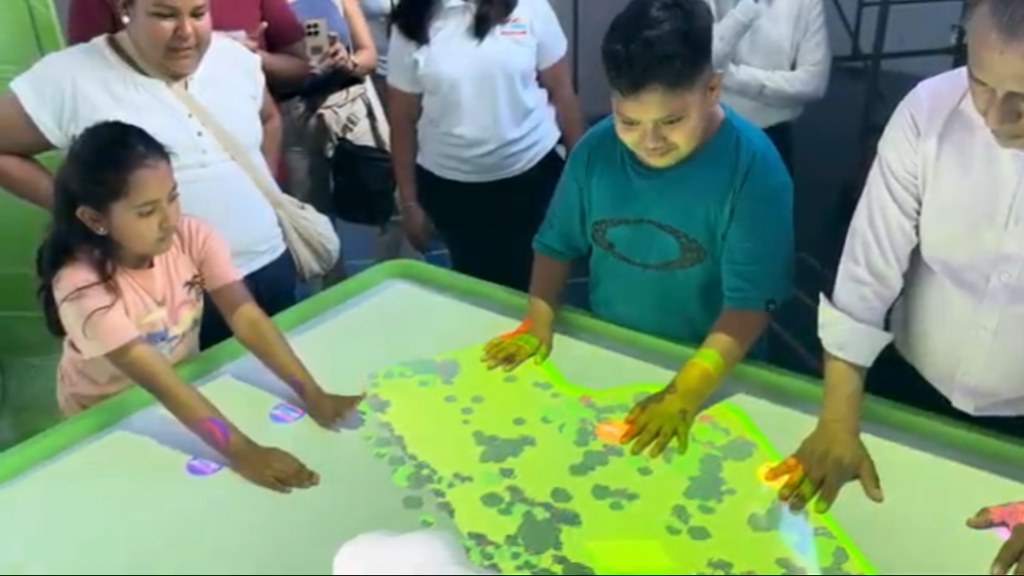
Recently, Hyper developed an interactive experience for the Museo del Niño Guatemala with a clear objective: teaching the country’s geography in a fun and engaging way.

The installation featured a wall projection displaying Guatemala’s departments as pieces of a digital puzzle.

Visitors were invited to place each department in its correct location, interacting directly with the projection while learning about the country’s geography.

Within seconds, a subject traditionally taught through textbooks became a collaborative, entertaining, and educational experience.

Why Do Interactive Experiences Work?

People remember what they actively engage with.

When visitors participate in an activity instead of simply observing it, they become part of the experience rather than passive spectators.

This creates several benefits:

  • Higher visitor engagement.
  • More intuitive learning.
  • Memorable experiences for both children and adults.
  • Greater interaction among families and school groups.
  • A more appealing museum experience for younger generations.

Technology doesn’t replace education—it enhances it.

Beyond a Digital Puzzle

The possibilities of augmented reality and immersive technologies in museums are virtually limitless.

Some examples include:

  • Recreating historical events.
  • Displaying animals or extinct species in life size.
  • Creating interactive treasure hunts.
  • Bringing historical figures to life through animation.
  • Explaining scientific concepts with interactive 3D models.
  • Designing guided experiences where visitors unlock new content as they explore.

Every experience can be tailored to the museum’s theme, objectives, and audience.

The Future of Museums Is Interactive

Museums are evolving from places where people simply observe to spaces where they actively experience and participate.

By incorporating immersive technologies, museums can make education more engaging, inclusive, and memorable, creating experiences that stay with visitors long after they leave.

At Hyper, we believe the best way to learn is through interaction. That’s why we develop immersive experiences, augmented reality solutions, interactive projections, and digital technologies that transform the way people discover, explore, and connect with knowledge.

Ready to Transform Your Museum Experience?

Whether you’re looking to implement augmented reality, interactive projections, 3D experiences, or custom immersive installations, Hyper creates tailored solutions that help museums deliver unforgettable educational experiences for every visitor.

.

Conclusion

Technology is redefining the way people experience culture and learning. Augmented reality and interactive experiences enable museums to create more dynamic, engaging, and memorable visits, encouraging every visitor to actively participate and connect with the content in a unique way.

At Hyper Reality Company we create immersive experiences, 3D content, and innovative technology solutions that take museums, events, businesses, and brand experiences to the next level.

 
Facebook
Twitter
LinkedIn

Contactanos:

Augmented Reality for Museums

Augmented Reality for Museums

Museums are evolving. Thanks to technologies like augmented reality and interactive experiences, it’s now possible to transform a traditional visit into an engaging journey where visitors learn by participating, exploring, and interacting.

How Augmented Reality Is Transforming the Museum Experience

Visiting a museum is no longer just about observing artifacts or reading information panels. Today, technology allows visitors to interact, play, and learn in a much more engaging way.

Augmented reality and interactive experiences are changing how museums tell their stories, making every visit more memorable while creating a natural and immersive learning experience.

When Learning Becomes an Experience

One of the biggest challenges museums face is capturing and maintaining visitors’ attention, especially among children and younger audiences. Immersive technology addresses this challenge by turning information into an interactive experience.

Instead of explaining a topic through text or static images alone, museums can transform it into a game, a challenge, or an activity where visitors become part of the story.

This type of interaction not only increases engagement but also improves understanding and knowledge retention.

A Real Example: Learning Guatemala’s Geography Through Play

Recently, Hyper developed an interactive experience for the Museo del Niño Guatemala with a clear objective: teaching the country’s geography in a fun and engaging way.

The installation featured a wall projection displaying Guatemala’s departments as pieces of a digital puzzle.

Visitors were invited to place each department in its correct location, interacting directly with the projection while learning about the country’s geography.

Within seconds, a subject traditionally taught through textbooks became a collaborative, entertaining, and educational experience.

Why Do Interactive Experiences Work?

People remember what they actively engage with.

When visitors participate in an activity instead of simply observing it, they become part of the experience rather than passive spectators.

This creates several benefits:

  • Higher visitor engagement.
  • More intuitive learning.
  • Memorable experiences for both children and adults.
  • Greater interaction among families and school groups.
  • A more appealing museum experience for younger generations.

Technology doesn’t replace education—it enhances it.

Beyond a Digital Puzzle

The possibilities of augmented reality and immersive technologies in museums are virtually limitless.

Some examples include:

  • Recreating historical events.
  • Displaying animals or extinct species in life size.
  • Creating interactive treasure hunts.
  • Bringing historical figures to life through animation.
  • Explaining scientific concepts with interactive 3D models.
  • Designing guided experiences where visitors unlock new content as they explore.

Every experience can be tailored to the museum’s theme, objectives, and audience.

The Future of Museums Is Interactive

Museums are evolving from places where people simply observe to spaces where they actively experience and participate.

By incorporating immersive technologies, museums can make education more engaging, inclusive, and memorable, creating experiences that stay with visitors long after they leave.

At Hyper, we believe the best way to learn is through interaction. That’s why we develop immersive experiences, augmented reality solutions, interactive projections, and digital technologies that transform the way people discover, explore, and connect with knowledge.

Ready to Transform Your Museum Experience?

Whether you’re looking to implement augmented reality, interactive projections, 3D experiences, or custom immersive installations, Hyper creates tailored solutions that help museums deliver unforgettable educational experiences for every visitor.

.

Conclusion

Technology is redefining the way people experience culture and learning. Augmented reality and interactive experiences enable museums to create more dynamic, engaging, and memorable visits, encouraging every visitor to actively participate and connect with the content in a unique way.

At Hyper Reality Company we create immersive experiences, 3D content, and innovative technology solutions that take museums, events, businesses, and brand experiences to the next level.

 
Facebook
Twitter
LinkedIn
Facebook
Twitter
LinkedIn

Contactanos:

Contactanos: