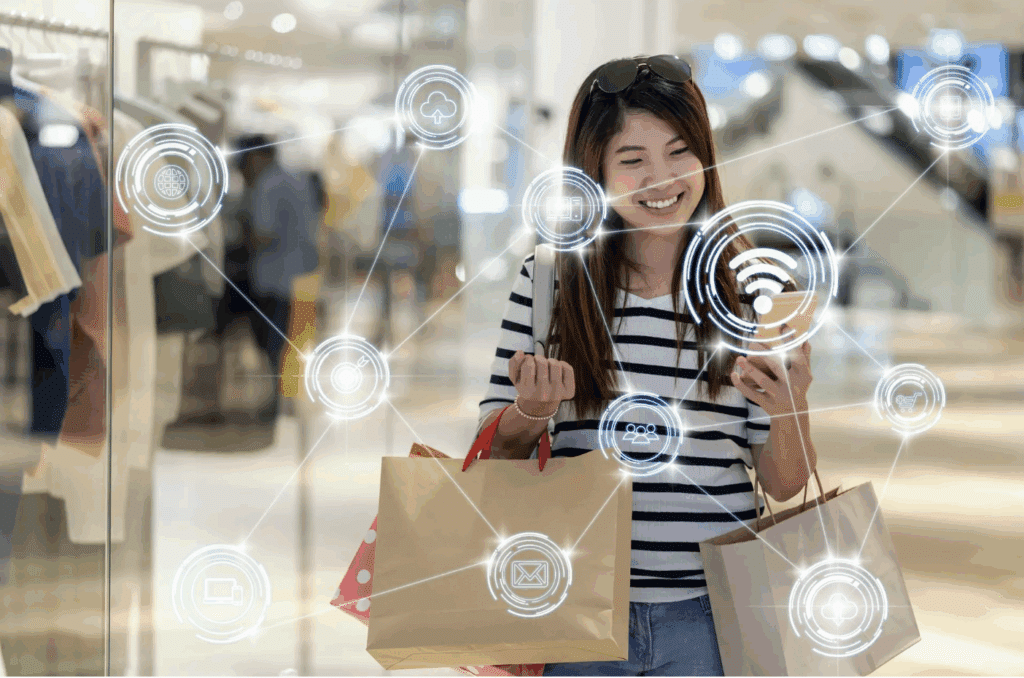
Retail gamification to increase average ticket size, boost engagement, and turn purchases into interactive experiences.
Gamification in retail is no longer just a nice trend — it’s a real strategy to sell more. Today’s consumers aren’t just looking for products; they want experiences that engage them, keep their attention, and make them come back. That’s where the game begins.
When customers interact with gamified dynamics — challenges, rewards, points, or incentives — the shopping process stops being passive and becomes active. The result is clear: more time spent in-store, higher engagement, and most importantly, a higher average ticket size.
In this article, I’ll show you how gamification applied to retail directly influences purchase decisions, which incentive types work best, and why solutions like HyperPlay are changing the way brands drive sales without relying on aggressive discounts.
If you’re wondering how to get customers to buy more without pushing them, keep reading. Spoiler alert: playing sells — and it sells really well
What Is Gamification in Retail?
Retail gamification means applying game mechanics to the shopping experience to motivate specific actions: buying more, interacting with products, or returning to the store.
It’s not about “playing just to play,” but about strategically designed incentives that naturally influence customer behavior.
How Does Gamification Increase the Average Ticket?
The logic is simple: when there’s a reward on the line, customers are willing to do a little extra.
Clear examples:
Adding an extra product to unlock a reward
Increasing cart value to enter a game
Interacting with more products to earn points or prizes
Incentives that actually work:
Instant rewards
Unlockable discounts
Limited-time challenges
Quick post-purchase games
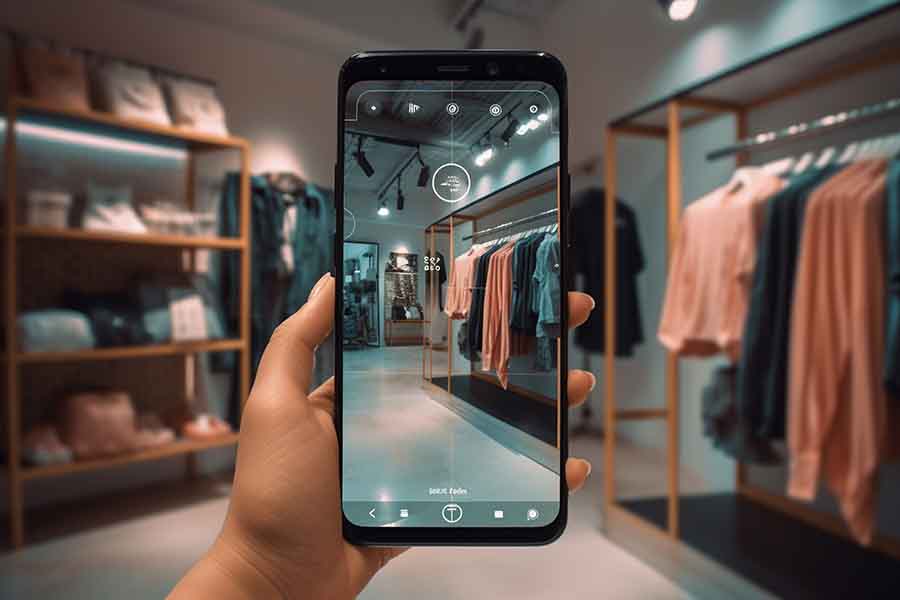


HyperPlay: Purchase Incentives That Convert
HyperPlay turns shopping into an interactive experience. Through mini-games integrated into physical stores or digital platforms, customers can play for real rewards by completing specific actions.
Why it works:
Doesn’t rely only on discounts
Increases customer dwell time
Improves brand perception
Drives additional purchases organically
Key Benefits of Gamification in Retail
Higher average ticket size
Increased customer engagement
Stronger loyalty and repeat purchases
Memorable brand experiences
Valuable consumer behavior data
Real-World Examples of Retail Gamification
“Spend $10 more and spin the wheel”
“Scan 3 products and unlock a prize”
“30-second flash game after checkout”
Simple. Fast. Effective.


How does gamification increase the average ticket in retail?
Gamification increases the average ticket size by encouraging additional purchases through rewards, challenges, and interactive mechanics that motivate customers to spend more to unlock benefits.
Want your customers to buy more without feeling pressured?
Discover how HyperPlay can gamify your sales and increase your average ticket size.
Gamification in retail isn’t a trend — it’s a growth strategy. Turning shopping into a game increases engagement, keeps customers around longer, and naturally drives higher spending.
If you’re ready to increase your average ticket by playing, HyperPlay is the next level.
Retail that doesn’t play, falls behind.
