Haz que tu marca se viva, no solo se vea
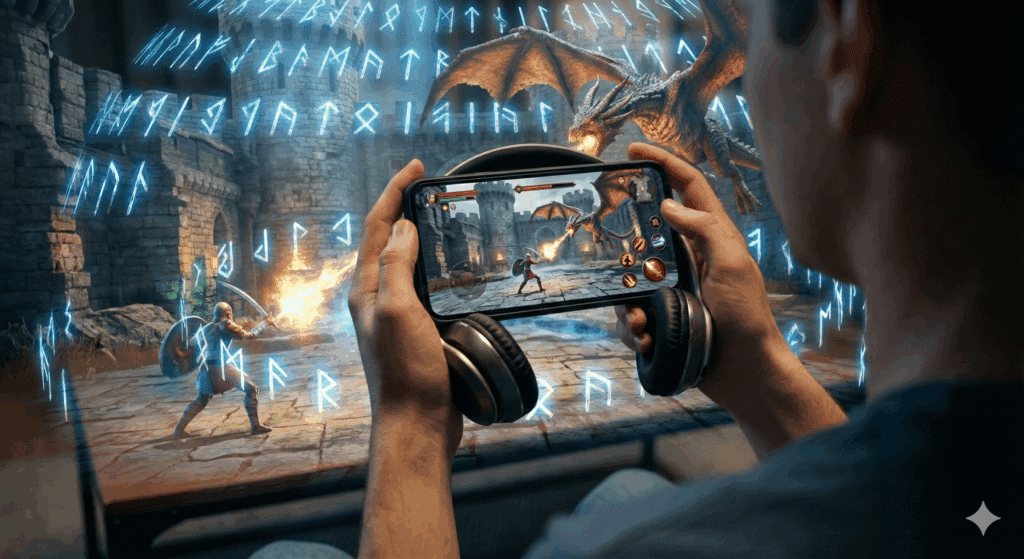
HyperPlay: Convierte tu stand en una máquina de participación, leads y ventas Aprende cómo las experiencias inmersivas y la tecnología interactiva transforman stands en espacios de participación, conexión y generación de leads. Hoy captar la atención en eventos ya no es tan fácil. No basta con estar presente: las marcas necesitan interactuar, conectar y generar resultados reales. Sin embargo, muchas siguen usando fórmulas de siempre que hacen que sus stands pasen desapercibidos. Ahí es donde entran las experiencias inmersivas. Con tecnología como mini-juegos 3D, realidad aumentada(AR) y realidad virtual (VR), es posible transformar un espacio común en algo que sorprende, entretiene y se recuerda. Cuando las personas participan y se involucran, la marca deja de ser solo un logo y se convierte en una experiencia. Y eso es lo que hoy marca la diferencia. Experiencias inmersivas: la clave para destacar en eventos En un evento, tienes solo unos segundos para captar la atención. Las experiencias inmersivas funcionan porque rompen con lo de siempre y hacen que las personas se acerquen, participen y se queden un poco más. No se trata solo de verse bien, sino de ofrecer algo que valga la pena vivir. Ahí es donde entra HyperPlay. Con mini-juegos 3D, realidad aumentada y realidad virtual, transforma un stand común en una experiencia interactiva que engancha, invita a participar y conecta a la gente con la marca de una forma mucho más cercana. ¿Qué es HyperPlay? HyperPlay es una forma diferente de conectar marcas con personas. En vez de solo mostrar un mensaje, invita a la gente a jugar, interactuar y pasarla bien mientras conoce la marca. Funciona con experiencias que llaman la atención y enganchan rápido: Mini-juegos 3D que invitan a participar sin pensarlo mucho Realidad aumentada (AR) que sorprende y despierta curiosidad Realidad virtual (VR) que te mete de lleno en la experiencia ¿Qué lo hace distinto? HyperPlay no es solo “algo bonito de ver”, está pensado para que pasen cosas: Hace que la gente se involucre de verdad Ayuda a las marcas a conectar, no solo a mostrarse Permite captar leads sin ser invasivo Incluye premios y dinámicas al momento Se adapta a cada marca, campaña o idea En pocas palabras, HyperPlay convierte cualquier interacción en una experiencia que se disfruta, se recuerda y deja resultados. Beneficios clave de HyperPlay para marcas en eventos y activaciones Implementar HyperPlay ofrece ventajas claras para cualquier marca que quiera destacar: Interacción real y entretenida. Marca que se recuerda. Experiencias adaptadas a tu público. Impacto tangible y medible. HyperPlay es la herramienta clave para destacar en eventos, ofreciendo experiencias inmersivas que conectan con el público, mejoran la interacción y aumentan la generación de leads y resultados medibles Descubre más en hyperrealitycompany.com
How Interactive Experiences Accelerate Technology Adoption
Interact > spect Technology becomes useful when u use it Technology rarely fails because it lacks innovation. It fails because people don’t understand it. In a world saturated with new tools, platforms, and solutions, the real barrier to adoption isn’t technical — it’s human. People adopt faster what they can see, explore, and interact with, and that’s where interactive experiences become essential. The real challenge of technology adoption Most technologies promise efficiency, innovation, and competitive advantage. Yet many struggle to gain traction after launch. Why? Because they introduce friction. When a solution feels complex, abstract, or overwhelming, users disengage. Resistance to adoption doesn’t come from rejecting technology — it comes from not clearly understanding its value or how it works. Why interactivity change how we understand technology? Interactive experiences shift users from passive observers to active participants. Interactivity helps by: Reducing cognitive load Creating a sense of control Encouraging exploration and curiosity Accelerating understanding When people experience something firsthand, it stops feeling intimidating and starts feeling familiar. From complexity to clarity Many technologies struggle to communicate their value because they are explained through technical language instead of experience. Visual and interactive experiences act as translators. They turn complex systems into simple actions, abstract ideas into clear journeys, and technical concepts into understandable decisions. Clarity doesn’t simplify technology — it makes it adoptable. Interactive experiences as adoption accelerators Adoption happens when users: Quickly understand what’s happening Perceive value with minimal effort Feel comfortable exploring on their own Interactive experiences create that environment. They don’t force users to learn — they invite them to discover. And when learning feels effortless, adoption follows naturally. Hyper’s role in building experiences people adopt At Hyper, we design experiences that bridge the gap between technology and people. Our focus isn’t the tool itself, but the experience around it. We transform complex processes into clear, visual, and intuitive interactions — enabling technology to be understood, used, and adopted with confidence. Experiences as a competitive advantage Innovation alone is no longer enough. The technologies that succeed are the ones designed with experience in mind. When technology feels clear, accessible, and engaging, it stops being a barrier and becomes a competitive advantage. Technology isn’t adopted because it exits – it’s adopted because it’s understood Interactive experiences don’t just communicate better. They accelerate change, reduce friction, and bring innovation closer to people. That’s what drives real adoption. Discover more at hyperrealitycompany.com
Cómo las experiencias interactivas aceleran la adopción tecnológica
Interactuar > presenciar La tecnología es valiosa cuando se usa La tecnología no falla porque sea mala, falla porque no se entiende. En un mundo saturado de herramientas, plataformas e innovaciones, la verdadera barrera no es técnica, es humana. Las personas adoptan más rápido aquello que pueden ver, explorar e interactuar, y ahí es donde las experiencias interactivas se vuelven clave. El verdadero problema con la adopción tecnológica La mayoría de las nuevas tecnologías prometen eficiencia, innovación y ventaja competitiva. Sin embargo, muchas fracasan en su implementación por una razón simple: generan fricción. Cuando una solución se siente compleja, abstracta o distante, el usuario se desconecta. La resistencia al cambio no nace del rechazo a la tecnología, sino de la falta de claridad sobre su valor y funcionamiento. ¿Por qué la interactividad cambia la forma en la que entendemos la tecnología? Las experiencias interactivas permiten que el usuario deje de ser un espectador y se convierta en parte activa del proceso. La interactividad: Reduce la carga cognitiva Genera sensación de control Activa curiosidad y exploración Acelera el entendimiento Cuando algo se experimenta, deja de ser intimidante y se vuelve familiar. De la complejidad a la claridad Muchas tecnologías fallan en comunicar su valor porque se explican desde la lógica técnica y no desde la experiencia del usuario. Lo visual e interactivo funciona como un traductor. Convierte conceptos complejos en acciones simples, procesos abstractos en recorridos claros y datos técnicos en decisiones comprensibles. La claridad no simplifica la tecnología, la hace adoptable. Experiencias interactivas como catalizador de cosas buenas La adopción ocurre cuando el usuario: Entiende rápidamente qué está pasando Percibe valor sin esfuerzo Se siente cómodo explorando Las experiencias interactivas crean ese entorno. No obligan a aprender, invitan a descubrir. Y cuando aprender se siente fácil, la adopción ocurre de forma natural. El rol de hyper en la creación En Hyper diseñamos experiencias que conectan tecnología y personas. Nuestro enfoque no parte de la herramienta, sino de la experiencia. Transformamos procesos complejos en interacciones claras, visuales e intuitivas, permitiendo que la tecnología se comprenda, se use y se adopte con mayor rapidez y confianza. La experiencia como ventaja competitiva Hoy, la innovación por sí sola no es suficiente. Las marcas y soluciones que destacan son aquellas que entienden que la experiencia es parte del producto. Cuando la tecnología se siente clara, accesible y estimulante, deja de ser una barrera y se convierte en una ventaja. La tecnología no se adopta porque exista, se adopta porque se entiende Las experiencias interactivas no solo comunican mejor, aceleran el cambio, reducen fricción y acercan la innovación a las personas. Ese es el verdadero motor de la adopción tecnológica. Discover more at hyperrealitycompany.com
Attracting more customers with immersive strategies
How can you make a digital ad truly grab your customer’s attention? Augmented reality ads: Attracting more customers with immersive strategies Transforming the way products are showcased Traditional ads often go unnoticed among all the information we see every day. With augmented reality and virtual reality, it is possible to create ads that let customers interact with products in their own space. For example, they can “try” a piece of furniture in their living room or see how a fashion accessory looks on them using their phone or vr headset. This experience creates much more interest and makes the user feel like they are truly part of the ad. It also offers the chance to tell stories in a more visual and entertaining way, which increases connection with the brand and makes the message much more memorable. Every time someone interacts this way, it becomes clear that the ad is not just advertising but a surprising experience. These experiences also make the user feel more confident in what they are seeing. They give a sense of control that normally does not exist in traditional ads. And in the end, the brand sticks because it offered something different and cool. Creating interactive experiences that hook Augmented and virtual reality allow ads to stop being static and become experiences where the user participates actively. They can interact with the product, rotate it, change colors, or combine it with other elements, making the customer feel that the ad belongs to them and is not just another message. This participation sparks curiosity and increases the chances that the customer will spend more time with the content, improving brand recall. These types of ads also tend to be shared more often, multiplying reach naturally. You can even create mini tours or experiences that people explore step by step, making every interaction fun and memorable. This sense of play makes users want to repeat the experience. It also creates an emotional connection without them realizing it. And the best part is that every interaction leaves a stronger impression than any banner. Steps to implement augmented reality in ads If you want to try ar in your ads, there are a few key steps you cannot skip. First, define the objective: what you want the customer to do and how you want them to interact. Second, choose the right platform or technology, whether it is filters on social media, webar, or specialized apps. Third, create realistic and high-quality 3d models or interactive visuals to ensure everything looks professional and attractive. Fourth, integrate the ad into the channels where your audience is most active and test it before launching it widely to ensure it works smoothly. And finally, measure user behavior: how much they interact, which elements generate more clicks, and what improvements can optimize the experience. Following these steps makes implementation clearer and more effective, avoiding mistakes and maximizing impact. It also helps you learn what your audience truly likes. And it makes every campaign smarter than the last without adding stress. Personalization that speaks directly to the customer One of the biggest benefits of these kinds of ads is the ability to personalize the experience based on each person’s interests. For example, a clothing ad can show the size and style that fits the user best or suggest combinations based on their previous preferences. This makes the advertising more relevant and helps the customer feel that the brand truly understands them. Personalization increases the sense of closeness and trust, making interaction with the ad much more effective and enjoyable. When the customer feels that the ad speaks directly to them, they are much more likely to engage and remember the brand. This sense of connection makes the user feel like they are not just seeing a random ad. It also creates a more comfortable and natural experience. And in the end, the brand feels more human and attentive. Increasing confidence and purchase intention An interactive ad that lets customers try before buying reduces many doubts that usually hold them back. Seeing how a product looks in their own space or exploring details in 360 degrees creates certainty about what they are choosing. This not only increases purchase intention but also reduces returns and improves overall perception of the brand. When customers feel secure and understood, advertising stops being just a message and becomes a tool that helps them make better decisions. This confidence also builds a more positive relationship with the brand, increasing the chances of future purchases. It makes the whole process feel more transparent. It reduces the usual anxiety of buying something without seeing it first. And it creates an experience that feels more premium without changing the product. Creating memorable and shareable ads Ads with augmented and virtual reality have high viral potential. When users experience something fun, curious, or impactful, they are much more likely to share it with friends or on social media. This boosts the ad’s reach without having to spend more on advertising. It also creates a sense of innovation around the brand, showing that it stays updated with technology and cares about offering something special and different to its audience. The experience becomes something people talk about, remember, and recommend, multiplying its value far beyond the initial campaign. It also creates a surprise factor that many people enjoy. It makes the brand look modern without trying too hard. And it turns something simple into a moment people want to relive. Real-time measurement and optimization Another key advantage is the ability to measure exactly how users interact with the ads. You can see how much time they spend with each product, which elements catch their attention, or which interactions lead to more clicks. This information allows you to adjust the campaign in real time and improve results constantly. It also provides valuable data for future marketing strategies, ensuring that each investment has maximum impact and that ads become more effective and attractive over time. This makes it unnecessary
Anuncios con realidad aumentada y realidad virtual
¿Cómo hacer que un anuncio digital realmente atrape a tu cliente? Anuncios con realidad aumentada y realidad virtual: Estrategias para atraer clientes Transformando la manera de mostrar productos Los anuncios tradicionales muchas veces pasan desapercibidos entre tanta información que vemos a diario. Con la realidad aumentada y la realidad virtual, es posible crear anuncios que permitan al cliente interactuar con los productos en su propio espacio. Por ejemplo, puede “probar” un mueble en su sala o ver cómo le queda un accesorio de moda desde su celular o lentes VR. Esta experiencia activa mucho más interés y hace que el usuario realmente se sienta parte del anuncio. Además, ofrece la oportunidad de contar historias de manera más visual y entretenida, lo que aumenta la conexión con la marca y hace que el mensaje sea mucho más recordable. Cada vez que alguien interactúa así, se nota que el anuncio no es solo publicidad, sino una experiencia que sorprende. Estas experiencias también hacen que el usuario se sienta más seguro de lo que está viendo. Le dan una sensación de control que normalmente no existe en un anuncio tradicional. Y al final, la marca se queda grabada porque ofreció algo diferente y cool. Generando experiencias interactivas que enganchan La realidad aumentada y virtual permiten que los anuncios dejen de ser estáticos y se vuelvan experiencias donde el usuario participa activamente. Se puede interactuar con el producto, rotarlo, cambiar colores o combinarlo con otros elementos, lo que hace que el cliente sienta que el anuncio le pertenece y no es solo un mensaje más. Esa participación genera curiosidad y aumenta la probabilidad de que el cliente pase más tiempo con el contenido, lo que mejora la recordación de la marca. Además, este tipo de anuncios tiende a compartirse más, multiplicando el alcance de manera natural. Incluso, se pueden crear recorridos o mini experiencias que la gente explore paso a paso, haciendo que cada interacción sea divertida y memorable. Esta sensación de juego hace que el usuario quiera repetir la experiencia. También crea una conexión emocional sin que se dé cuenta. Y lo mejor es que cada interacción deja una impresión más fuerte que cualquier banner. Pasos para implementar realidad aumentada en anuncios Si querés probar RA en tus anuncios, hay algunos pasos clave que no pueden faltar. Primero, definir el objetivo: qué querés que haga el cliente y cómo querés que interactúe. Segundo, elegir la plataforma o tecnología adecuada, ya sea filtros en redes, WebAR o apps especializadas. Tercero, crear los modelos 3d o elementos visuales interactivos con calidad realista, cuidando que todo se vea profesional y atractivo. Cuarto, integrar el anuncio en los canales donde tu público esté más activo y probarlo antes de lanzarlo masivamente para asegurar que funciona sin problemas. Y por último, medir el comportamiento de los usuarios: cuánto interactúan, qué elementos generan más clics y qué mejoras se pueden hacer para optimizar la experiencia. Seguir estos pasos hace que la implementación sea más clara y efectiva, evitando errores y maximizando el impacto del anuncio. También te permite aprender qué le gusta realmente a tu audiencia. Y hace que cada campaña sea más inteligente que la anterior sin complicarte. Personalización que habla directamente al cliente Uno de los mayores beneficios de estos anuncios es que permiten personalizar la experiencia según los intereses de cada persona. Por ejemplo, un anuncio de ropa puede mostrar la talla y el estilo que mejor le queda al usuario o sugerir combinaciones basadas en sus preferencias previas. Esto hace que la publicidad sea más relevante y que el cliente perciba que la marca realmente lo entiende. La personalización aumenta la sensación de cercanía y confianza, haciendo que la interacción con el anuncio sea mucho más efectiva y agradable. Además, cuando el cliente siente que el anuncio habla directamente a él, es mucho más probable que se enganche y recuerde la marca. Esta sensación de conexión hace que el usuario sienta que no está viendo un anuncio cualquiera. También crea una experiencia más cómoda y natural. Y al final, la marca se percibe más humana y más atenta. Aumentando la confianza y la intención de compra Un anuncio interactivo que deja probar antes de comprar reduce muchas dudas que normalmente frenan al cliente. Ver cómo luce un producto en su propio espacio o explorar detalles en 360 grados genera certeza sobre lo que está eligiendo. Esto no solo aumenta la intención de compra, sino que también reduce devoluciones y mejora la percepción general de la marca. Cuando el cliente se siente seguro y comprendido, la publicidad deja de ser solo un mensaje y se convierte en una herramienta que facilita la decisión de compra. Además, esta confianza crea una relación más positiva con la marca, aumentando la probabilidad de futuras compras. Esto hace que todo el proceso se sienta más transparente. También reduce la ansiedad típica de comprar algo sin verlo. Y termina creando una experiencia que se siente más premium sin necesidad de cambiar el producto. Creando anuncios memorables y compartibles Los anuncios con realidad aumentada y virtual tienen un alto potencial de viralidad. Cuando un usuario vive una experiencia divertida, curiosa o impactante, es mucho más probable que la comparta con amigos o en redes sociales. Esto amplifica el alcance del anuncio sin necesidad de gastar más en publicidad. Además, genera una sensación de innovación alrededor de la marca, mostrando que está al día con la tecnología y preocupada por ofrecer algo diferente y especial a su audiencia. La experiencia se vuelve algo que se comenta, recuerda y recomienda, multiplicando su valor más allá de la campaña inicial. También crea un efecto sorpresa que mucha gente disfruta. Hace que la marca se vea más moderna sin necesidad de forzar nada. Y convierte algo simple en un momento que la gente quiere repetir. Medición y optimización en tiempo real Otra ventaja clave es que se puede medir exactamente cómo los usuarios interactúan con los anuncios. Se puede saber cuánto tiempo pasan con cada
The guide to using 3D virtual spaces and VR
How can you make a digital event feel like being there in person? The guide to using 3D virtual spaces and VR Transforming the digital event experience Digital events often lose that sense of closeness you feel at an in-person event. With 3d virtual spaces and virtual reality, you can recreate the feeling of truly being there even if everyone is at home. The technology allows attendees to move through the space, explore booths, interact with objects, and feel like they are part of the event. This creates a much more immersive experience and helps keep attention for longer. It also lets organizers tell stories in a more visual and dynamic way, something a regular stream cannot achieve. It makes the event feel more alive and less static. It encourages people to stay, explore, and enjoy. And it creates that “wow” moment that makes everything feel more special. Interaction and participation like never before One of the biggest challenges of digital events is getting people to participate actively. 3d virtual spaces and virtual reality make it easier for attendees to interact with other participants, presentations, and products in a more natural way. You can create demos, games, contests, or guided tours that invite people to explore and get involved. That participation not only increases interest but also creates memorable moments attendees will talk about afterward. It keeps the energy and connection alive even if no one is physically in the same place. It also makes the experience feel less passive and more fun. It encourages people to relax and join in without feeling shy. And it turns simple moments into experiences worth remembering. Y convierte momentos simples en experiencias que valen la pena recordar. Personalization and control of the journey Traditional digital events are usually linear and not very flexible. With 3d spaces and virtual reality, each attendee can move through the event at their own pace, choose which booths to visit, which talks to hear, or which experiences to try. This creates a sense of control that makes people feel more comfortable and satisfied. It also allows content to be tailored to the specific interests of each audience, increasing the event’s perceived value and the connection with the brand. Each attendee lives their own journey, which makes the experience more memorable and meaningful. It allows people to enjoy without pressure. It lets each person dive deeper into what they truly care about. And it turns the event into something personal and authentic. Creating more human connections Even if it is digital, interaction can still feel real. Avatars, real-time chat, and the ability to approach other participants help recreate the spontaneous networking and conversations that happen at in-person events. Virtual reality makes expressions, movements, and gestures feel more natural, creating a stronger emotional bond among attendees and with the brand. That human connection is key for the event to have impact and leave a lasting impression. It also makes the experience feel warmer and more human. It allows conversations to flow naturally. And it helps interactions become deeper and more meaningful. Flexibility and accessibility for everyone Events in 3d virtual spaces and virtual reality break physical and geographic barriers. Anyone can join from their computer or vr headset, no matter where they are. This greatly expands the event’s reach and lets you invite people who otherwise could not attend. It also gives attendees the flexibility to join and leave based on their schedule without losing the essence of the experience. Accessibility also includes the option to explore recorded or interactive content after the event, multiplying the value of what is offered. It opens the door to much more diverse audiences. It makes the event more inclusive and easier to enjoy. And it allows the experience to continue even after it ends. Real-time measurement and analysis One of the biggest advantages of these virtual spaces is the ability to measure all kinds of interactions. You can see how many people visited each booth, how long they stayed, or which content was most engaging. This information is invaluable for improving the experience during the event and for planning future events with greater impact. It also helps demonstrate return on investment and justify the use of technology, showing that digital events can be as effective or even more effective than in-person ones when used strategically. It helps you understand what truly connects with your audience. It allows smarter decisions for future events. And it gives clarity that simply did not exist before. Conclusion: digital events that leave a mark 3d virtual spaces and virtual reality are completely transforming how digital events are done. It is not just about technology, but about creating immersive, engaging, and memorable experiences that connect emotionally with the audience. They allow real interaction, personalized journeys, accessibility, and precise measurement of everything that happens. When used correctly, these spaces turn a digital event into something attendees can truly feel and remember, helping the brand stand out and making the experience last far beyond the event itself. They also elevate the quality of what you offer from the very first second. They make people feel cared for and considered. And they leave that warm feeling of having experienced something that was genuinely worth it. Discover more at hyperrealitycompany.com
La guía para usar espacios virtuales 3D y Realidad Virtual
¿Cómo hacer que un evento digital se sienta como estar ahí en persona? La guía para usar espacios virtuales 3D y RV Transformando la experiencia de los eventos digitales Los eventos digitales muchas veces pierden ese toque de cercanía que se siente en un evento presencial. Con los espacios virtuales 3D y la realidad virtual, se puede recrear esa sensación de estar realmente allí, aunque cada persona esté desde su casa. La tecnología permite que los asistentes se muevan por el espacio, exploren stands, interactúen con objetos y sientan que forman parte del evento. Esto genera una experiencia mucho más envolvente y hace que la atención se mantenga durante más tiempo. Además, permite que los organizadores cuenten historias de manera más visual y dinámica, algo que simplemente no se logra con un streaming tradicional. También ayuda a que el evento se sienta más vivo y menos estático. Hace que la gente tenga ganas de quedarse y seguir explorando. Y crea esa sensación de “wow” que hace que todo se sienta más especial. Interacción y participación como nunca antes Uno de los mayores retos de los eventos digitales es lograr que la gente participe activamente. Los espacios virtuales 3D y la realidad virtual facilitan que los asistentes interactúen con otros participantes, con presentaciones y con productos de forma mucho más natural. Se pueden hacer demostraciones, juegos, concursos o recorridos guiados que invitan a explorar y a involucrarse. Esa participación no solo aumenta el interés, sino que también crea momentos memorables que hacen que los asistentes hablen del evento después. Es una forma de mantener la energía y la conexión aunque nadie esté físicamente en el mismo lugar. Además, hace que la experiencia se sienta menos pasiva y más divertida. Invita a que la gente se suelte y participe sin pena. Y convierte momentos simples en experiencias que valen la pena recordar. Personalización y control del recorrido En los eventos digitales tradicionales, todo suele ser lineal y poco flexible. Con espacios 3D y realidad virtual, cada asistente puede recorrer el evento a su propio ritmo, decidir qué stands visitar, qué charlas escuchar o qué experiencias probar. Esto genera una sensación de control que hace que la persona se sienta más cómoda y satisfecha. Además, permite adaptar el contenido a intereses específicos de cada público, lo que aumenta el valor percibido del evento y la conexión con la marca. Cada asistente vive su propio recorrido, y eso hace que la experiencia sea mucho más memorable y significativa. También permite que la gente disfrute más sin sentir presión. Hace que cada quien pueda profundizar en lo que realmente le importa. Y convierte el evento en algo mucho más personal y auténtico. Generando conexiones más humanas Aunque sea digital, la interacción puede sentirse real. Los avatares, chats en tiempo real y la posibilidad de acercarse a otros participantes ayudan a recrear la sensación de networking y conversación espontánea que se da en los eventos presenciales. La realidad virtual hace que las expresiones, movimientos y gestos se perciban de manera más natural, y esto genera un vínculo emocional más fuerte entre los asistentes y con la marca. Esa conexión humana es clave para que el evento tenga impacto y deje una impresión duradera. Además, hace que la experiencia se sienta menos fría y más humana. Permite que la conversación fluya con más naturalidad. Y ayuda a que la interacción sea más profunda y significativa. Flexibilidad y accesibilidad para todos Los eventos en espacios virtuales 3D y realidad virtual rompen barreras físicas y geográficas. Cualquier persona puede acceder desde su computadora o sus lentes de realidad virtual, sin importar dónde esté. Esto amplía enormemente el alcance del evento y permite invitar a gente que de otra forma no podría asistir. Además, ofrece flexibilidad para que los asistentes puedan entrar y salir según su disponibilidad, sin perder la esencia de la experiencia. La accesibilidad también incluye la posibilidad de explorar contenido grabado o interactivo después del evento, lo que multiplica el valor de lo que se ofrece. También abre las puertas a públicos mucho más diversos. Hace que el evento sea más incluyente y fácil de disfrutar. Y permite que la experiencia continúe incluso cuando ya terminó. Medición y análisis en tiempo real Una de las ventajas más grandes de estos espacios virtuales es que permiten medir todo tipo de interacciones. Se puede saber cuántas personas visitaron cada stand, cuánto tiempo pasaron en cada actividad o cuáles fueron los contenidos más atractivos. Esta información es invaluable para ajustar la experiencia durante el evento o para planear próximos encuentros con mayor impacto. Además, permite demostrar el retorno de inversión y justificar la inversión en tecnología, mostrando que los eventos digitales pueden ser igual o más efectivos que los presenciales si se usan de manera estratégica. También ayuda a entender mejor lo que realmente conecta con la audiencia. Permite tomar decisiones más inteligentes para futuros eventos. Y da una claridad que antes simplemente no existía. Conclusión: eventos digitales que dejan huella Los espacios virtuales 3D y la realidad virtual están cambiando por completo la forma de hacer eventos digitales. No se trata solo de tecnología, sino de crear experiencias inmersivas, atractivas y memorables que conecten emocionalmente con la audiencia. Permiten interacción real, recorridos personalizados, accesibilidad y medición precisa de todo lo que pasa. Cuando se usan correctamente, estos espacios transforman un evento digital en algo que los asistentes realmente sienten y recuerdan, haciendo que la marca destaque y que la experiencia perdure mucho más allá del momento del evento. Además, elevan la calidad de lo que se ofrece de una forma que se nota desde el primer segundo. Hacen que la gente se sienta cuidada y tomada en cuenta. Y dejan esa sensación bonita de haber vivido algo que valió la pena. Discover more at hyperrealitycompany.com
Gamification and dopamine: how interactive content dominates digital marketing
What really dominates nowadays How interactive content dominates marketing Gamification and dopamine Today we compete in the attention economy. Content that truly works isn’t the longest or most technical, but the kind that triggers dopamine, satisfaction, and active participation. In this scenario, gamification stopped being a trend and became a standard. Why is everything gamifiable today? Gamification works because it aligns with how the human brain responds to stimuli. Mechanics such as progress, rewards, challenges, and immediate feedback activate dopamine pathways, reinforcing motivation, engagement, and a sense of achievement, which encourages users to stay longer and participate repeatedly. Key Factors: Need for immediate gratification Saturation of traditional content Lower tolerances for complex interfaces Preference for dynamic and visual experiences Gamifying is not about playing games; it’s about designing experiences that feel satisfying. Dopamine and digital content: the new invisible metric Dopamine is activated when the user experiences: Progress (visual progression) Control (interaction) Achievement (micro-rewards) Curiosity (discovery) Content that generates these sensations is remembered more, shared more, and adopted more quickly. From static content to interactive experiences Traditional content is passive. Modern content is participatory. Content evolution: Long text → visual experiences PDFs → interactive interfaces Technical explanations → visual storytelling Reading → exploration When something is visual and interactive, it reduces cognitive friction and accelerates understanding. Hyper and gamification applied to real-world experiences At Hyper, we design products that turn complex processes into clear, visual, and intuitive experiences. We don’t aim to display information, but to activate emotions and actions. Our products: Transform information into interactive experiences Use visuals as a tool for understanding Reduce friction in technology adoption Generate real engagement, not superficial engagement Gamification is part of the design, not an add-on. Conclusion: the future of content is experiential In a world where everything competes for dopamine, the brands that win aren’t the ones that talk the most, but the ones that design better experiences. Content is no longer consumed. It is experienced. And that’s the game we’re building at Hyper. Discover more at hyperrealitycompany.com
Gamificación y dopamina: cómo el contenido interactivo domina el marketing digital
El contenido del futuro Cómo el contenido interactivo domina el marketing Gamificación y dopamina Hoy competimos en la economía de la atención. El contenido que realmente funciona no es el más largo ni el más técnico, sino el que genera dopamina, satisfacción y participación activa. En este escenario, la gamificación dejó de ser tendencia y se volvió estándar. ¿Por qué hoy todo es gamificable? La gamificación funciona porque está alineada con cómo responde el cerebro humano. Elementos como progreso, recompensa y feedback inmediato activan la dopamina, generando motivación y permanencia. Factores clave: Necesidad de gratificación inmediata Saturación de contenido tradicional Menor tolerancia a interfaces complejas Preferencia por experiencias dinámicas y visuales Gamificar no es jugar: es diseñar experiencias que se sientan satisfactorias. Dopamina y contenido digital: la nueva métrica invisible La dopamina se activa cuando el usuario siente: Avance (progreso visual) Control (interacción) Logro (micro-recompensas) Curiosidad (descubrimiento) El contenido que genera estas sensaciones se recuerda más, se comparte más y se adopta más rápido. De contenido estático a experiencias interactivas El contenido tradicional es pasivo. El contenido moderno es participativo. Evolución del contenido: Texto largo → experiencias visuales PDFs → interfaces interactivas Explicaciones técnicas → storytelling visual Lectura → exploración Cuando algo es visual e interactivo, reduce la fricción cognitiva y acelera la comprensión. Hyper y la gamificación aplicada a experiencias reales En Hyper diseñamos productos que convierten procesos complejos en experiencias claras, visuales e intuitivas. No buscamos mostrar información, sino activar emociones y acciones. Nuestros productos: Transforman información en experiencias interactivas Utilizan lo visual como herramienta de comprensión Reducen fricción en la adopción tecnológica Generan engagement real, no superficial La gamificación es parte del diseño, no un accesorio. Conclusión: el futuro del contenido es experiencial En un mundo donde todo compite por dopamina, las marcas que ganan no son las que hablan más, sino las que diseñan mejores experiencias. El contenido ya no se consume. Se experimenta. Y ese es el juego que estamos construyendo en Hyper. Discover more at hyperrealitycompany.com
Connecting physical and online stores with AR
What if your physical store and your online store could feel like a single place? Connecting physical and online stores with AR Natural integration between physical and digital channels Connecting your physical store and your online store is no longer just a “nice to have”; today it is almost a necessity because customers expect to move between both worlds effortlessly. Augmented reality helps exactly there, because it creates a super natural bridge between the two spaces. People want to see, try, compare and understand without depending on the channel, and AR makes that much simpler. It is like your brand speaks the same language everywhere, something that makes everything feel more coherent. In the end, AR reduces that invisible friction that used to separate the physical from the digital. And the best part is that all of this feels uncomplicated, like something that simply flows. It also gives the customer a sense of freedom that feels very light. It makes the entire journey feel more intuitive. And in the end, it leaves the impression that everything is connected in a beautiful and effortless way. Expanding the catalog beyond physical space Some products simply do not fit in a showroom or it does not make sense to have all of them displayed. With AR, you can show full-scale 3D versions so the customer can explore, analyze and imagine the product without pressure. The nice part is that it does not feel like reading a spec sheet, but like interacting with something that is almost right there. This reduces doubts, changes the experience and makes the store visit much more efficient. It also allows you to show variety without overwhelming the physical space or complicating operations. And in the end, the customer feels like they saw everything without it actually being there. It also opens space for the customer’s curiosity to become part of the process. It allows them to play visually without discomfort. And it makes everything feel more modern without losing the warmth of a physical store. Increasing safety and confidence in online shopping Online purchases fail when the customer is not fully sure of what they are choosing. Here, AR improves the experience because it lets them “try before buying” from anywhere. Seeing how a piece of furniture looks in their living room, how glasses fit their face or how a product looks in 360° eliminates that classic “what if I don’t like it?”. It basically gives the customer the same confidence they would have in a physical store but without leaving the couch. And when the decision feels safe, the chance of returns also drops a lot. This creates a sense of calm that makes the entire process more pleasant. It also gives the customer that excitement of making an informed decision. It makes them feel more in control of their purchase. And it transforms the online experience into something much more trustworthy and close. Maintaining continuity in the customer journey across both worlds Many times the customer starts their process in one channel and finishes it in another, and that is where AR makes everything more fluid. For example, they can scan a code in the store to see more colors or save their virtual tests in their online account and continue the purchase later. This prevents the experience from breaking and keeps the customer from getting lost halfway. The brand accompanies the entire journey no matter where the person is. This creates a sense of continuity that makes the purchase feel more thoughtful and personalized. And the nicest part is that the customer feels the brand is truly accompanying them at every moment. It also creates a more natural rhythm between one channel and the other. It makes the customer feel that nothing is interrupted. And it turns the entire process into something much smoother. Strengthening the role of the sales team with digital tools AR not only supports the customer, it also boosts the work of the in-store team. A salesperson can show 3D models from a tablet, show variations that are not physically present or allow the customer to “try” virtual products on the spot. This transforms the interaction because the salesperson no longer depends on what is on the shelves and can offer a more complete experience. The physical store gains flexibility and the online store feels warmer. In the end, salespeople feel more prepared and the service becomes more professional. And this greatly improves the brand perception because the experience feels more complete. It also gives them more tools to answer difficult questions instantly. It makes the customer trust more in their recommendations. And it makes every interaction richer and more memorable. Brand consistency across all touchpoints AR helps keep the brand’s style, personality and essence consistent no matter where the interaction happens. You are not only presenting products but also the atmosphere, the aesthetic and the feeling you want to communicate. This makes both the physical store and the online store feel like part of the same universe, without strange contrasts. And when the experience is coherent, the customer perceives a stronger and more premium brand. This reinforces the idea that your brand truly cares about every detail, even in digital. It also creates a much more immersive atmosphere for the customer. It makes the experience instantly recognizable. And it shows that everything is aligned with intention. Conclusion: a unified experience for the modern customer Connecting your physical store and online store with augmented reality is not just about integrating technology, but about creating an experience that flows from beginning to end. AR accompanies the customer wherever they are, showing what they need to see, giving them confidence to decide and keeping your style present. When both channels complement each other like this, you not only sell more; you build a closer relationship and an experience people want to repeat. It is the smartest way for your brand to live fully in every space where your customer finds you. And
