AR and Virtual Tours: The Future of Real Estate Sales
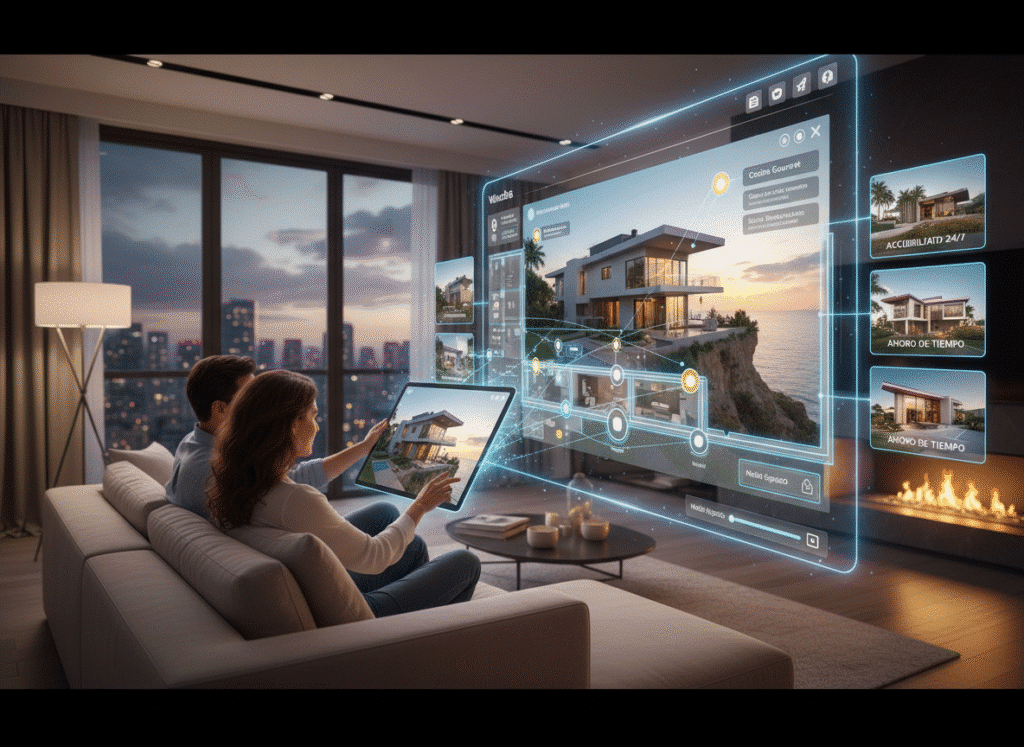
The future of real estate LinkedIn Introduction Augmented Reality (AR) is not just a technological trend; it is the tool that is completely redefining the real estate sector. A few years ago, viewing a property meant coordinating schedules, traveling, and often dealing with properties that didn’t meet expectations, especially in luxury or international markets. Today, the buying experience is changing drastically, evolving from an inconvenient transaction to an immersive exploration.The great challenge for the real estate agent has always been translating the potential of a physical space into the client’s mind. How does an empty house look with furniture? What will the environment be like once the building is finished? Augmented Reality in the real estate sector solves these questions, allowing clients to «live» a property without setting foot in it. In this article, we will thoroughly explore the impact of AR and virtual tours, and we promise you will discover how this technology not only facilitates the sale but also becomes your biggest competitive advantage and an essential brand differentiator. What is Augmented Reality (AR) and Why Does It Matter in Real Estate? AR is the technology that superimposes virtual elements such as 3D models, interactive graphics, floor plans, or detailed information onto the real world, viewed through a device’s camera (phone, tablet, or glasses). Unlike Virtual Reality (VR), which immerses the user in a completely digital world (separating them from their physical environment), AR enhances, complements, and enriches the existing reality.In the real estate sector, AR is crucial because it simultaneously solves the problems of distance and imagination. The technology no longer just shows the property; it allows the user to interact with it virtually. Clients no longer have to strain their minds to visualize how an empty apartment would look with their furniture, or how a renovation would turn out; the technology does it for them, in real-time and to scale, from the comfort of their living room. Detailed Benefits of Augmented Reality for Agents and Clients The strategic implementation of AR offers tangible advantages that directly impact the final result: Acceleration of the Sales Cycle: By offering a complete and immediate understanding of the property, the number of necessary visits is reduced, and visualization-based objections are minimized, shortening the time from first contact to closing. Reduction of Operational Costs: Drastically decreases the costs of staging (physical furnishing of model properties), travel, and logistics for multiple in-person tours. Unparalleled Personalization: Allows the client to virtually modify the space (change wall color, floor textures, lighting, and even furniture arrangement) before the purchase, giving them an anticipated sense of ownership. Global Reach and De-seasonalization: Agents can showcase exclusive or luxury properties to international clients in any time zone without them traveling. This keeps interest and sales active throughout the year, regardless of weather conditions or travel restrictions. Interactive Marketing and Brand Differentiation: Offering AR experiences on your website or mobile app positions the agency as innovative and technologically advanced, attracting a younger and more digitized clientele. 3D Virtual Tours: The Foundation of the Immersive Experience The main exponent of AR and VR in the sector is the 3D virtual tour. This tool allows potential buyers to navigate a property online, offering a 360-degree view of every corner of the space. It is the foundation upon which the Augmented Reality experience is built. Taxonomy of Immersive Real Estate Tours To optimize your content and appear in Featured Snippets, here are the key types of tours that use immersive technology, from basic to advanced: 360° Tours (Basic Photogrammetry): Consist of a series of linked panoramic photographs. They are ideal for ready-to-sell properties and offer a sense of presence, but navigation is limited and does not allow for environment modification. Interactive 3D Models (Digital Twins): Created using 3D laser scanners (like Matterport). They allow the user to move freely through a digital twin of the property, measure spaces, and view the house in Dollhouse View. AR is integrated here to allow the user to measure and annotate within that twin. Future Project Visualization (VR/AR): The client uses their mobile or goggles to view a building that does not yet exist superimposed on the empty lot (site visualization). This is vital for pre-sales of real estate developments. Remote Walk-Through Experiences (Collaborative AR): The agent and client access the same virtual tour simultaneously and can interact, point out elements, and talk, replicating a guided tour remotely. Advanced Use Cases and Examples of Business Success Leading brands are implementing Augmented Reality not only in sales but also in personalization, interior design, and asset management. Virtual Home Staging and Interior Design Virtual Home Staging powered by AR allows for furnishing, decorating, and redecorating empty spaces in seconds. If a client doesn’t like the kitchen color, AR changes it immediately. This is infinitely faster and more economical than physical staging. Success Example (Retail-Real Estate): Furniture brands (like IKEA Place or Houzz) have popularized the use of AR. The client scans their living room with their phone and can virtually place a table, sofa, or rug from the catalog to scale. The real estate sector integrates this same functionality so the client can see how their own furniturewould look in the house they are considering buying. Added Value: Some developers offer the AR experience as part of the purchase package, allowing the client to choose finishes and materials through the app, visualizing them in real-time in the model property. Remote Sales and High-Value Clients AR and VR are essential in luxury real estate markets, where buyers are often international and their time is extremely valuable. Practical Application: Luxury real estate agencies in markets like Miami, London, or Dubai use VR and AR tours to make high value closings with buyers from Asia or Europe who can only make one final physical visit. This has been shown to reduce sales cycles from months to weeks. Technical Aspects and Optimization for the Real Estate Sector Effectively implementing Augmented Reality requires the integration of specific technologies and a clear data
RA y Recorridos Virtuales: El Futuro de la Venta Inmobiliaria
El futuro de la inmobiliaria LinkedIn Introducción La Realidad Aumentada (RA) no es solo una moda tecnológica, es la herramienta que está redefiniendo por completo el sector inmobiliario. Hace unos años, ver una propiedad significaba coordinar agendas, desplazarse, y a menudo, lidiar con inmuebles que no cumplían las expectativas, especialmente en mercados de lujo o internacionales. Hoy, la experiencia de compra está cambiando drásticamente, pasando de ser una transacción incómoda a una exploración inmersiva.El gran desafío del agente inmobiliario siempre ha sido traducir el potencial de un espacio físico a la mente del cliente. ¿Cómo se ve una casa vacía con muebles? ¿Cómo será el entorno una vez terminado el edificio? La Realidad Aumentada en el sector inmobiliario resuelve estas interrogantes, permitiendo a los clientes «vivir» una propiedad sin poner un pie en ella. En este artículo, exploraremos a fondo el impacto de la RA y los recorridos virtuales, y te prometemos que descubrirás cómo esta tecnología no solo facilita la venta, sino que se convierte en tu mayor ventaja competitiva y un diferenciador de marca esencial. ¿Qué es la Realidad Aumentada (RA) y por qué importa en Inmuebles? La RA es la tecnología que superpone elementos virtuales como modelos 3D, gráficos interactivos, planos de planta o información detallada sobre el mundo real, visualizados a través de la cámara de un dispositivo (teléfono, tableta o gafas). A diferencia de la Realidad Virtual (RV), que sumerge al usuario en un mundo completamente digital (separándolo de su entorno físico), la RA mejora, complementa y enriquece la realidad existente.En el sector inmobiliario, la RA es crucial porque resuelve el problema de la distancia y la imaginación de manera simultánea. La tecnología ya no solo muestra el inmueble, sino que permite al usuario interactuar con él virtualmente. Los clientes ya no tienen que forzar su mente para visualizar cómo se vería un apartamento vacío con sus muebles, o cómo quedaría una remodelación; la tecnología lo hace por ellos, en tiempo real y a escala real, desde la comodidad de su sala. Beneficios Detallados de la Realidad Aumentada para Agentes y Clientes La implementación estratégica de la RA ofrece ventajas tangibles que impactan directamente en el resultado final: Aceleración del Ciclo de Venta: Al ofrecer una comprensión completa e inmediata de la propiedad, se reduce el número de visitas necesarias y se minimizan las objeciones basadas en la visualización, acortando el tiempo desde el primer contacto hasta el cierre. Reducción de Costos Operacionales: Disminuye drásticamente los gastos de staging (amueblamiento físico de propiedades modelo), viajes y logística de múltiples tours presenciales. Personalización Inigualable: Permite al cliente modificar virtualmente el espacio (cambiar color de paredes, texturas de pisos, iluminación e incluso la disposición de los muebles) antes de que se realice la compra, dándole un sentido de pertenencia anticipado. Alcance Global y Desestacionalización: Los agentes pueden mostrar propiedades exclusivas o de lujo a clientes internacionales en cualquier zona horaria, sin que estos viajen. Esto mantiene el interés y las ventas activas durante todo el año, independientemente de las condiciones climáticas o las restricciones de viaje. Marketing Interactivo y Diferenciación de Marca: Ofrecer experiencias de RA en tu sitio web o aplicación móvil posiciona a la agencia como innovadora y tecnológicamente avanzada, atrayendo a una clientela más joven y digitalizada. Recorridos Virtuales 3D: La Base de la Experiencia Inmersiva El principal exponente de la RA y RV en el sector es el recorrido virtual 3D. Esta herramienta permite a los potenciales compradores navegar por una propiedad en línea, ofreciendo una vista de 360 grados de cada rincón del espacio. Es la base sobre la cual se construye la experiencia de Realidad Aumentada. Taxonomía de Recorridos Inmobiliarios Inmersivos Para optimizar tu contenido y aparecer en los Featured Snippets, aquí están los tipos clave de recorridos que utilizan tecnología inmersiva, de lo básico a lo avanzado: Tours 360° (Fotogrametría Básica): Consisten en una serie de fotografías panorámicas enlazadas. Son ideales para propiedades listas para la venta y ofrecen una sensación de presencia, pero la navegación es limitada y no permite modificar el entorno. Modelos 3D Interactivos (Gemelos Digitales): Creados mediante escáneres láser 3D (como Matterport). Permiten al usuario moverse libremente por un gemelo digital de la propiedad, medir espacios y ver la casa en vista de plano (Dollhouse View). La RA se integra aquí para permitir al usuario medir y anotar dentro de ese gemelo. Visualización de Proyectos Futuros (RV/RA): El cliente utiliza su móvil o gafas para ver un edificio que aún no existe superpuesto en el terreno baldío (site visualization). Esto es vital para las preventas de desarrollos inmobiliarios. Experiencias de Walk-Through Remoto (RA Colaborativa): El agente y el cliente acceden al mismo recorrido virtual al mismo tiempo y pueden interactuar, señalar elementos y hablar, replicando una visita guiada a distancia. Casos de Uso Avanzados y Ejemplos de Éxito Empresarial Las marcas líderes están implementando la Realidad Aumentada no solo en la venta, sino en la personalización, el diseño de interiores y la gestión de activos. Home Staging Virtual y Diseño de Interiores El Home Staging Virtual impulsado por RA permite amueblar, decorar y redecorar espacios vacíos en segundos. Si un cliente no le gusta el color de la cocina, la RA lo cambia inmediatamente. Esto es infinitamente más rápido y económico que el staging físico. Ejemplo de Éxito (Retail-Inmobiliario): Marcas de muebles (como IKEA Place o Houzz) han popularizado el uso de la RA. El cliente escanea su sala con el móvil y puede colocar virtualmente una mesa, un sofá o una alfombra del catálogo a escala real. El sector inmobiliario integra esta misma funcionalidad para que el cliente pueda ver cómo quedarían sus propios muebles en la casa que está considerando comprar. Valor Añadido: Algunos promotores ofrecen la experiencia de RA como parte del paquete de compra, permitiendo al cliente elegir acabados y materiales a través de la aplicación, visualizándolos en tiempo real en la propiedad modelo. Venta Remota y Clientes de Alto Valor La RA y RV son esenciales en los mercados
How to implement AR in your online store

How is AR integrated online? LinkedIn How to implement AR in your online store Why AR redefines clarity in E-commerce Augmented Reality within an online store has stopped feeling distant or reserved for huge brands, and is now becoming a real tool that helps people better understand what they are about to buy. In e-commerce, that clarity is key because often a photo or a video fails to convey what a person needs to make a decision. With AR, on the other hand, the product begins to feel closer: you can see how it would look in your house, how it would look on you, or if it truly fits what you are looking for. Best of all, it doesn’t enter as a strange element, but as a natural extension of the experience, one that makes the purchase feel less uncertain and much more secure. In this article, I will show you how AR can be integrated into an online store in a realistic way, without complication and without falling into exaggerated ideas that only work in theory. The intention is for you to understand why this technology works, what it contributes to the user, and what steps you need to have clear before implementing it so that it truly makes sense. Ultimately, it all comes down to a very direct question: how can AR improve the purchasing experience within your e-commerce and convert user curiosity into a firm, confident decision? Why does AR make a real difference in E-commerce? Online shopping has always had a very specific disadvantage: even if you see photos and videos, you never fully know if the product will feel the way you imagine. That doubt appears with clothing, furniture, decoration, makeup, gadgets… basically in any category where context matters. AR solves precisely that part because it allows the user to stop imagining and start seeing the product applied directly to their real life. When someone can visualize how it would look in their living room, how it would look on them, or if it truly fits where they want to use it, the experience changes completely. The purchase stops feeling like a risk and begins to feel like a conscious choice. And when a decision feels more secure, everything improves: people spend more time exploring the product, understand it better, get more excited, and buy with fewer doubts. Even returns go down, because the user has already had a much closer interaction with the product before paying for it. That is why so many brands that integrate AR see an immediate impact on conversion, satisfaction, and trust. Where does it make the most sense to use AR in an online store? Products that need to be seen in real context AR works especially well in categories where the user needs to see the product applied to their own space or their own body. When it comes to furniture, decoration, accessories, makeup, glasses, shoes, or gadgets, photos do not always convey proportions, size, scale, or how a product visually feels when integrated into real life. Allowing the user to project it into their environment or «try it on» digitally makes the experience much clearer and makes the person feel ownership of the decision because they were able to evaluate something they previously only imagined. And when an e-commerce offers this possibility, the perception of the product changes completely because it is now understood from a more personal and less abstract place. When you want to eliminate doubts before buying There are categories where doubt is the true enemy of the sale. It’s not that the person doesn’t like the product; they are simply unsure if it will fit, if it matches, if it is the correct size, or if it will fit where they want to use it. With AR, that uncertainty is greatly reduced because the buyer goes from «I hope it works» to «I saw it, it looks good on me.» This feeling of clarity makes the purchase calmer and makes the brand feel more honest and accessible, because it is not selling based on a promise, but on the experience. Ways to integrate AR without complicating your store 3D models that the user can visualize in their space This is one of the most effective and also one of the most intuitive implementations. Basically, the person taps a button, points their cell phone, and the product appears in their real environment in a matter of seconds. For categories like furniture, decoration, or any product where scale matters, this function solves doubts that could not even be answered before. The user no longer needs to imagine if a sofa fits or if a lamp matches the style of the space; they simply see it directly in their living room or bedroom. That simplicity makes the experience flow and the purchase feel much more natural. Virtual try-ons applied to the user There are also experiences where the product is «placed» on the person, such as glasses, makeup, earrings, hats, t-shirts, or accessories. This integration works in a very emotional way because it’s not just about seeing the product, but about seeing oneself with it. And that detail changes everything. The experience ceases to be a rational decision based on photos and becomes something more personal, where the user truly connects with the product because they are seeing it applied directly to their image. AR integrated on the same product page Previously, many brands needed external apps or long processes to show AR. Not anymore. Now it can be activated directly from the product page with a small button that simply says «view in your space.» This makes the user feel like they are not opening another experience, but remain within the store, navigating naturally. That light integration without extra steps makes the technology feel like part of the e-commerce and not a technological accessory added «just because.» What you need to prepare before launching AR Well-made 3D models that are true to the
Cómo implementar AR en tu tienda online
¿Cómo se integra AR online? LinkedIn Cómo implementar AR en tu tienda online Por qué la AR redefine la claridad en E-commerce. La realidad aumentada dentro de una tienda online dejó de sentirse como algo lejano o reservado para marcas enormes, y ahora se está convirtiendo en una herramienta real que ayuda a que la gente entienda mejor lo que está a punto de comprar. En ecommerce, esa claridad es clave porque muchas veces una foto o un video no logran transmitir lo que una persona necesita para tomar una decisión. Con AR, en cambio, el producto empieza a sentirse más cercano: podés ver cómo se vería en tu casa, cómo se te vería puesto o si realmente encaja con lo que buscás. Y lo mejor es que no entra como un elemento extraño, sino como una extensión natural de la experiencia, una que hace que la compra se sienta menos incierta y mucho más segura. En este artículo te voy a mostrar cómo se puede integrar AR en una tienda online de una manera realista, sin complicarse y sin caer en ideas exageradas que solo funcionan en teoría. La intención es que entendás por qué esta tecnología funciona, qué aporta al usuario y cuáles son los pasos que hay que tener claros antes de implementarla para que realmente tenga sentido. Al final, todo se reduce a una pregunta bastante directa: ¿cómo puede la AR mejorar la experiencia de compra dentro de tu ecommerce y convertir la curiosidad del usuario en una decisión firme y confiada? ¿Por qué la AR marca una diferencia real en ecommerce? Comprar en línea siempre ha tenido una desventaja muy puntual: aunque veás fotos y videos, nunca sabés del todo si el producto se va a sentir como imaginás. Esa duda aparece en ropa, muebles, decoración, maquillaje, gadgets… básicamente en cualquier categoría donde el contexto importa. La AR viene a resolver justo esa parte porque permite que el usuario deje de imaginar y empiece a ver el producto aplicado directamente a su vida real. Cuando alguien puede visualizar cómo se vería en su sala, cómo se le vería puesto o si realmente encaja donde lo quiere usar, la experiencia cambia por completo. La compra deja de sentirse como un riesgo y comienza a sentirse como una elección consciente. Y cuando una decisión se siente más segura, todo mejora alrededor: la gente pasa más tiempo explorando el producto, lo entiende mejor, se emociona más y compra con menos dudas. Incluso las devoluciones bajan, porque el usuario ya tuvo una interacción mucho más cercana con el producto antes de pagarlo. Por eso tantas marcas que integran AR ven un impacto inmediato en conversión, en satisfacción y en confianza. Dónde tiene más sentido usar AR en una tienda online Productos que necesitan verse en contexto real La AR funciona especialmente bien en categorías donde el usuario necesita ver el producto aplicado a su propio espacio o a su propio cuerpo. Cuando se trata de muebles, decoración, accesorios, maquillaje, lentes, zapatos o gadgets, las fotos no siempre transmiten proporciones, tamaño, escala o cómo se siente un producto visualmente cuando se integra a la vida real. Permitirle al usuario proyectarlo en su entorno o «probárselo» digitalmente hace que la experiencia sea muchísimo más clara y que la persona se sienta dueña de la decisión porque pudo evaluar algo que antes solo imaginaba. Y cuando un ecommerce ofrece esa posibilidad, la percepción del producto cambia por completo porque ahora se entiende desde un lugar más personal y menos abstracto. Cuando querés eliminar dudas antes de comprar Hay categorías donde la duda es el verdadero enemigo de la venta. No es que a la persona no le guste el producto; simplemente no está segura de si le va a quedar, si combina, si es del tamaño correcto o si va a encajar donde lo quiere usar. Con AR, esa incertidumbre se reduce muchísimo porque el comprador pasa de “ojalá funcione” a “ya lo vi, me queda bien”. Esta sensación de claridad vuelve la compra más tranquila y hace que la marca se sienta más honesta y accesible, porque no está vendiendo desde la promesa, sino desde la experiencia. Formas de integrar AR sin complicar tu tienda Modelos 3D que el usuario puede visualizar en su espacio Esta es una de las implementaciones más efectivas y también una de las más intuitivas. Básicamente, la persona toca un botón, apunta su celular y el producto aparece en su entorno real en cuestión de segundos. Para categorías como muebles, decoración o cualquier producto donde la escala importa, esta función resuelve dudas que antes ni siquiera se podían contestar. El usuario ya no necesita imaginar si un sillón cabe o si una lámpara combina con el estilo del espacio; simplemente lo ve directamente en su sala o cuarto. Esa simplicidad hace que la experiencia fluya y que la compra se sienta mucho más natural. Pruebas virtuales aplicadas al usuario También están las experiencias donde el producto se “coloca” sobre la persona, como lentes, maquillaje, aretes, sombreros, camisetas o accesorios. Esta integración funciona de forma muy emocional porque no solo se trata de ver el producto, sino de verse uno mismo con él. Y ese detalle cambia todo. La experiencia deja de ser una decisión racional basada en fotos y se vuelve algo más personal, donde el usuario realmente conecta con el producto porque lo está viendo directamente aplicado a su imagen. AR integrada en la misma página del producto Antes, muchas marcas necesitaban apps externas o procesos largos para mostrar AR. Hoy no. Ahora se puede activar directamente desde la página del producto con un pequeño botón que simplemente dice “ver en tu espacio”. Esto hace que el usuario no sienta que está abriendo otra experiencia, sino que sigue dentro de la tienda, navegando de forma natural. Esa integración ligera y sin pasos extra hace que la tecnología se sienta parte del ecommerce y no un accesorio tecnológico añadido “porque sí”. Lo que necesitás
Beyond Games: The Industrial Potential of VR

RV Beyond Entertainmentent LinkedIn Introduction When you hear «Virtual Reality» (VR), many immediately think of video games, entertainment, and immersive experiences designed for fun. However, in 2025, Virtual Reality (VR) has evolved into a strategic and powerful tool within the industrial sector. From manufacturing plants and construction companies to the healthcare sector and corporate training, VR is profoundly transforming how businesses design, produce, train, and sell.The question is no longer if companies should adopt this technology, but rather how they can best leverage it to optimize processes, reduce costs, and significantly enhance safety. In this article, we will explore the true industrial power of VR, providing real-world examples and concrete benefits that demonstrate how this technology has shed its entertainment label to become a genuine engine for productivity and growth. Why Does Virtual Reality Go Beyond Gaming? Although VR was born in the world of entertainment, its true power has been demonstrated in its capacity to simulate real-world scenarios, mitigate risks, and allow entire teams to access environments that would be either costly or dangerous to reproduce physically. From Video Games to Marketing Virtual Reality was born with video games, but today its power goes far beyond entertainment. Brands have discovered that VR can generate emotions, memories, and experiences so impactful that no traditional advertisement can match them. What was once used for playing is now being utilized for selling, educating, and building loyalty.In marketing, VR allows for the creation of immersive experiences where the consumer doesn’t just observe a product they live it. They can explore a store without leaving home, attend the launch of a new car model, test industrial machinery in a virtual environment, or tour a hotel before booking it. VR turns interaction into a memorable experience, creating an immediate emotional connection between the user and the brand.Companies are also employing video game mechanics challenges, rewards, missions, and interaction systems to make their campaigns more dynamic and fun. This «gamification» results in greater participation, increased time spent with the brand, and a profoundly differentiated customer experience.Today, Virtual Reality doesn’t just entertain… it sells, educates, and builds loyalty. And it does so by using the very same principle that made video games successful: involving the user 100% in an experience they cannot ignore. Success Stories: Brands That Play to Win Marketing based on video game principles is no longer a niche strategy; it has become a mainstream current. Nike and Fitness Engagement: Through its Nike Training Club app, it uses badges and personalized challenges to gamify exercise, motivating millions of users to continue using their products. Starbucks Rewards: Their loyalty program is a classic example of gamification. Customers «earn stars» to level up and unlock rewards, turning every purchase into a step of progress. Fortnite and Collaborations (The Crossover): The video game Fortnite has become a massive marketing platform, hosting concerts, product launches, and crossovers with movies and fashion brands, demonstrating that the platform is the content. Featured Snippet: Gamification is the application of game design elements (points, badges, and leaderboards) in marketing strategies to increase consumer engagement, loyalty, and retention. The Future: Immersive Marketing A. The Brand Experience in 3D Immersive marketing allows users to interact with products in ways that 2D photos and videos could never match. Virtual Try-Ons (AR): The user can try on clothes or makeup using their mobile camera or headset, effectively eliminating the barriers of online shopping. VR Launches: Brands can organize product launch events or conceptual stores in virtual environments, offering exclusive access and a strong sense of social presence. Agent-Based Advertising: Advertising evolves into a 3D object that the user can interact with in their real-world environment (AR advertising). B. The Challenge of Persistence The main challenge is making interactive marketing as engaging and persistent as games. This requires designing experiences that: Offer a flow (a balance between challenge and skill, just like in games). Provide a sense of mastery (making the user feel more expert or capable). Have a superior purpose (a reason to return that isn’t solely about buying). Conclusion The era in which marketing was merely an interruption has ended. Today, attention must be earned through interaction and reward, following the proven models of video game design. Gamification is not a trend; it is a fundamental shift in consumer psychology. The brands that understand the difference between a customer and a player are the ones building the most solid and profitable relationships.The future of marketing is persistent, rewarded, and, above all, fun interaction.Are you ready to transform your marketing strategy with gaming mechanics and immersive technology?At Hyper Reality Company, we design gamification solutions and immersive experiences (VR/AR) that turn your customers into the protagonists of your brand.
Más Allá de los Juegos: El Poder de la RV
RV más allá del entretenimiento LinkedIn Introducción Cuando escuchas “realidad virtual”, muchos piensan inmediatamente en videojuegos, entretenimiento y experiencias inmersivas diseñadas para divertirse. Sin embargo, en 2025 la Realidad Virtual (RV) se ha convertido en una herramienta estratégica y poderosa dentro del sector industrial. Desde fábricas hasta constructoras, pasando por el sector salud y el entrenamiento corporativo, la RV está transformando cómo las empresas diseñan, producen, capacitan y venden.La pregunta ya no es si las empresas deben adoptar esta tecnología, sino cómo pueden aprovecharla para optimizar procesos, reducir costos y mejorar la seguridad.En este artículo exploraremos el verdadero poder industrial de la RV, con ejemplos reales y beneficios concretos que muestran cómo esta tecnología ha dejado atrás su etiqueta de entretenimiento para convertirse en un motor de productividad y crecimiento. ¿Por Qué la Realidad Virtual Va Más Allá del Gaming? Aunque la RV nació en el mundo del entretenimiento, su verdadera fuerza se ha demostrado en su capacidad para simular escenarios reales, reducir riesgos y permitir que equipos enteros accedan a entornos que serían costosos o peligrosos de reproducir físicamente. De los Videojuegos al Marketing La Realidad Virtual nació con los videojuegos, pero hoy su poder va mucho más allá del entretenimiento. Las marcas han descubierto que la RV puede generar emociones, memorias y experiencias tan impactantes que ningún anuncio tradicional puede igualarlas. Lo que antes se usaba para jugar, ahora se utiliza para vender, educar y fidelizar.En marketing, la RV permite crear experiencias inmersivas donde el consumidor no solo observa un producto: lo vive. Puede explorar una tienda sin salir de casa, asistir al lanzamiento de un nuevo modelo de automóvil, probar una máquina industrial en un entorno virtual o recorrer un hotel antes de reservarlo. La RV convierte la interacción en una experiencia memorable, creando una conexión emocional inmediata entre el usuario y la marca.Las empresas también están utilizando mecánicas de videojuegos retos, recompensas, misiones y sistemas de interacciónpara hacer sus campañas más dinámicas y divertidas. Esta “gamificación” da como resultado una mayor participación, más tiempo de permanencia y una experiencia de marca profundamente diferenciada.Hoy, la Realidad Virtual no solo entretiene… vende, educa y construye lealtad. Y lo hace utilizando el mismo principio que hizo exitosos a los videojuegos: involucrar al usuario al 100% en una experiencia que no puede ignorar. Casos de Éxito: Marcas que Juegan a Ganar El marketing basado en videojuegos ya no es una estrategia de nicho, sino una corriente principal. Nike y el Engagement con Fitness: A través de su app Nike Training Club, utiliza badges y retos personalizados para gamificar el ejercicio, motivando a millones de usuarios a seguir usando sus productos. Starbucks Rewards: Su programa de lealtad es un ejemplo clásico de gamificación. Los clientes «ganan estrellas» para subir de nivel y desbloquear recompensas, convirtiendo cada compra en un paso de progreso. Fortnite y Colaboraciones (El Crossover): El videojuego Fortnite se ha convertido en una plataforma de marketing masiva, albergando conciertos, lanzamientos de productos y crossovers con películas y marcas de moda, demostrando que la plataforma es el contenido. Fragmento Destacado: La gamificación es la aplicación de elementos de diseño de juegos (puntos, insignias y leaderboards) en estrategias de marketing para aumentar el engagement, la lealtad y la retención del consumidor. El Futuro: Marketing Inmersivo A. La Experiencia de Marca en 3D El marketing inmersivo permite a los usuarios interactuar con los productos de manera que las fotos y videos 2D nunca podrían igualar. Probadores Virtuales (RA): El usuario puede probarse ropa o maquillaje a través de la cámara de su móvil o headset, eliminando las barreras de la compra online. Lanzamientos en RV: Las marcas pueden organizar eventos de lanzamiento de productos o tiendas conceptuales en entornos virtuales, ofreciendo acceso exclusivo y una sensación de presencia social. Publicidad con Agente: La publicidad se convierte en un objeto 3D con el que el usuario puede interactuar en su entorno real (publicidad con RA). B. El Desafío de la Persistencia El principal desafío es hacer que el marketing interactivo sea tan atractivo y persistente como los juegos. Esto requiere diseñar experiencias que: Ofrezcan un flujo (equilibrio entre reto y habilidad, como en los juegos). Proporcionen un sentido de maestría (hacer que el usuario se sienta más experto o capaz). Tengan un propósito superior (una razón para regresar que no sea solo comprar). Conclusión La era en la que el marketing solo interrumpía ya terminó. Hoy, la atención debe ganarse a través de la interacción y la recompensa, siguiendo los modelos probados del diseño de videojuegos. La gamificación no es una moda, sino un cambio fundamental en la psicología del consumidor. Las marcas que entienden la diferencia entre un cliente y un jugador son las que están construyendo las relaciones más sólidas y rentables. El futuro del marketing es la interacción persistente, recompensada y, sobre todo, divertida. ¿Está listo para transformar su estrategia de marketing con mecánicas de gaming y tecnología inmersiva?En Hyper Reality Company, diseñamos soluciones de gamificación y experiencias inmersivas (RV/RA) que convierten a sus clientes en los protagonistas de su marca.
AR en publicidad exterior: El Futuro de los anuncios

¿Cómo cambia la publicidad hoy? LinkedIn AR en publicidad exterior: El Futuro de los anuncios Por qué la realidad aumentada superó al anuncio estático La realidad aumentada en publicidad exterior dejó de ser algo que veíamos en videos futuristas para convertirse en una herramienta que realmente está cambiando la forma en que la gente interactúa con un anuncio. Hoy ya no vemos solo carteles tradicionales, ahora empiezan a mezclarse con experiencias digitales que hacen que el usuario se involucre de una manera que antes no se podía lograr. Lo interesante de todo esto es que la AR no llega como un extra raro o fuera de lugar sino como una forma mucho más directa y clara de conectar a las personas con lo que una marca quiere comunicar, volviendo toda la experiencia más simple, más intuitiva y hasta más divertida. Lo que mostraré en este artículo es cómo las marcas están usando AR en la vida real para hacer que un anuncio salga de lo común y se convierta en algo que la gente realmente recuerda. No es teoría ni ideas sueltas, sino ejemplos concretos de cómo esta tecnología está cambiando la forma en que caminamos por una ciudad, vemos un anuncio y nos relacionamos con él. Y todo se resume en una pregunta bastante directa: ¿hasta dónde puede llegar la AR cuando se usa con intención y cuando la marca busca crear algo que realmente tenga sentido para las personas? Por qué la AR está cambiando los anuncios exteriores La publicidad que vemos en la calle siempre tuvo un reto: solo la podías mirar, pero ahí terminaba todo. Era algo visual, pero no interactivo, y eso hacía que muchas veces pasara desapercibida. Con AR, ese límite empieza a romperse porque ese mismo anuncio que antes era solo una imagen ahora puede responderte, mostrarte algo distinto o darte información que no se ve a simple vista. Esto hace que la experiencia ya no sea plana ni repetitiva, sino algo que despierta curiosidad y que hace que la persona quiera quedarse un momento más viendo qué pasa. La realidad aumentada convierte un espacio que antes era solo para ver en uno que se siente más vivo. El anuncio deja de sentirse lejano y se convierte en algo que el usuario puede descubrir, lo que naturalmente aumenta el interés y hace que el mensaje llegue con más fuerza. Billboards que toman una nueva dimensión Uno de los ejemplos más conocidos es lo que hizo Pepsi con una parada de bus en Londres donde a través de AR la gente veía cosas que parecían estar pasando justo enfrente: un ovni, un león caminando por la calle, un robot gigante, situaciones que se sentían tan reales que la gente se detenía, se acercaba y reaccionaba. Lo valioso de este tipo de activación no es solo lo visual, sino cómo la experiencia se volvió una conversación entre la marca y quienes estaban ahí. Ya no era un anuncio que se ignoraba al pasar; era algo que generaba sorpresa, conexión y un momento genuino que la gente recordaba. Activaciones urbanas con AR Algunas marcas también están usando AR para darle una capa extra a espacios públicos que normalmente pasarían desapercibidos. Hay murales, edificios o afiches sencillos que, al verlos con el celular, muestran contenido que cambia completamente cómo interpretás ese lugar. El caso de Hyper Reality Company en Guatemala En Guatemala, Hyper Reality Company ha creado experiencias de este tipo, donde las personas pueden interactuar con elementos digitales en medio de la ciudad. Lo valioso es que no se quedan en lo visual por lo visual; crean momentos donde la marca, la historia y quien lo vive se sienten conectados. En un país donde esto no se ve todos los días, estas activaciones abren un espacio totalmente nuevo para la publicidad y muestran que la AR también puede generar impacto real a nivel local. Publicidad exterior que se conecta con ecommerce Otra forma en que la AR está cambiando la publicidad es cuando un anuncio físico te permite probar un producto en tu propio espacio sin tenerlo enfrente. Esta mezcla entre lo que ves en la calle y lo que experimentás en tu celular hace que la decisión de compra se sienta mucho más clara. Podés ver cómo te quedaría una prenda, cómo se vería un mueble en tu sala o cómo funcionaría un gadget antes de tocarlo. Eso hace que el anuncio no se quede solo como una imagen bonita, sino que se convierta en un primer paso hacia una decisión real, sin hacerte el proceso complicado. Ventajas para las marcas que empiezan a usar AR Uno de los mayores beneficios es que las personas pasan más tiempo interactuando con el mensaje, lo recuerdan más y lo comparten, lo que amplifica la campaña sin tener que invertir más. Además, la experiencia se siente más personal y menos como un anuncio frontal, lo que crea una conexión más genuina entre la marca y el usuario. Y algo importante es que la AR hace que la gente pase del mundo físico al digital sin fricción, lo que abre posibilidades para educar, vender o generar comunidad. Cómo preparar una campaña de AR en publicidad exterior Cuando una marca quiere trabajar con AR, lo primero es tener claro qué busca lograr, porque eso define el tipo de experiencia que se va a crear. También es importante elegir un espacio donde realmente tenga sentido usar AR, crear una interacción clara que la gente entienda sin instrucciones largas y asegurarse de que el concepto visual sea fuerte y coherente con la identidad de la marca. Otro punto clave es medir qué tan bien funcionó la campaña para entender qué se puede mejorar o qué tuvo más impacto. La AR abre muchas posibilidades, pero se siente más poderosa cuando la experiencia está bien pensada y no solo se usa “porque sí”. Conclusión La AR en publicidad exterior está abriendo oportunidades que antes no existían. Los anuncios ya no viven solo en
AR in out-of-home advertising: The future of ads
How does advertising change today? LinkedIn AR in out-of-home advertising: The future of ads Why Augmented Reality Surpassed the Static Ad Augmented Reality (AR) in out-of-home (OOH) advertising has ceased to be something we saw in futuristic videos and has become a tool that is genuinely changing the way people interact with an ad. Today, we no longer see just traditional billboards; they are now starting to blend with digital experiences that engage the user in a way that was previously unattainable. What’s interesting about all this is that AR doesn’t arrive as a strange or misplaced extra, but as a much more direct and clear way to connect people with what a brand wants to communicate, making the whole experience simpler, more intuitive, and even more fun. What I will show in this article is how brands are using AR in real life to make an ad stand out from the ordinary and become something people truly remember. It is not theory or loose ideas, but concrete examples of how this technology is changing the way we walk through a city, see an ad, and relate to it. And it all boils down to a very direct question: how far can AR go when used with intention and when the brand seeks to create something that truly makes sense for people? Why AR is changing outdoor advertising The advertising we see on the street always had one challenge: you could only look at it, but that was the end of it. It was visual but not interactive, which often caused it to go unnoticed. With AR, that limit begins to break because that same ad that was previously just an image can now respond to you, show you something different, or give you information that is not visible at first glance. This makes the experience neither flat nor repetitive, but something that sparks curiosity and makes the person want to stay a moment longer to see what happens. Augmented Reality transforms a space that was previously just for viewing into one that feels more alive. The ad stops feeling distant and becomes something the user can discover, which naturally increases interest and makes the message land with more force. Billboards Taking on a New Dimension One of the most well-known examples is what Pepsi did with a bus stop in London where, through AR, people saw things that seemed to be happening right in front of them: a UFO, a lion walking down the street, a giant robot—situations that felt so real that people stopped, approached, and reacted. The value of this type of activation is not just the visual aspect, but how the experience became a conversation between the brand and those present. It was no longer an ad that was ignored in passing; it was something that generated surprise, connection, and a genuine moment that people remembered. Urban AR Activations Some brands are also using AR to add an extra layer to public spaces that would normally go unnoticed. There are murals, buildings, or simple posters that, when viewed with a cell phone, display content that completely changes how you interpret that location. The Case of Hyper Reality Company in Guatemala In Guatemala, Hyper Reality Company has created experiences of this type, where people can interact with digital elements in the middle of the city. The value is that they don’t stop at the visual for the sake of the visual; they create moments where the brand, the story, and the person experiencing it feel connected. In a country where this is not seen every day, these activations open up a completely new space for advertising and show that AR can also generate real impact at a local level. Out-of-Home Advertising That Connects with eCommerce Another way AR is changing advertising is when a physical ad allows you to try a product in your own space without having it in front of you. This blend between what you see on the street and what you experience on your phone makes the purchase decision feel much clearer. You can see how a piece of clothing would look on you, how a piece of furniture would look in your living room, or how a gadget would work before touching it. This ensures the ad doesn’t remain just a pretty image, but becomes a first step toward a real decision, without making the process complicated for you. Advantages for Brands Starting to Use AR One of the biggest benefits is that people spend more time interacting with the message, remember it more, and share it, which amplifies the campaign without needing to invest more. Furthermore, the experience feels more personal and less like a frontal advertisement, which creates a more genuine connection between the brand and the user. And importantly, AR facilitates a seamless transition from the physical to the digital world, opening up possibilities for educating, selling, or building community. How to Prepare an AR Campaign in Out-of-Home Advertising When a brand wants to work with AR, the first step is to be clear about what they aim to achieve, as this defines the type of experience that will be created. It’s also important to choose a space where using AR genuinely makes sense, create a clear interaction that people understand without lengthy instructions, and ensure that the visual concept is strong and coherent with the brand’s identity. Another key point is measuring how well the campaign performed to understand what can be improved or what had the most impact. AR opens up many possibilities, but it feels most powerful when the experience is well thought out and not just used «because.» Conclusion AR in out-of-home advertising is opening up opportunities that didn’t exist before. Ads no longer live just on a surface; they now live in the experience each person has when they see and interact with them. This completely changes the impact of a campaign because people don’t just look—they feel, remember, and share. This type
AR vs VR: Which Is Best for Your 2025 Marketing?
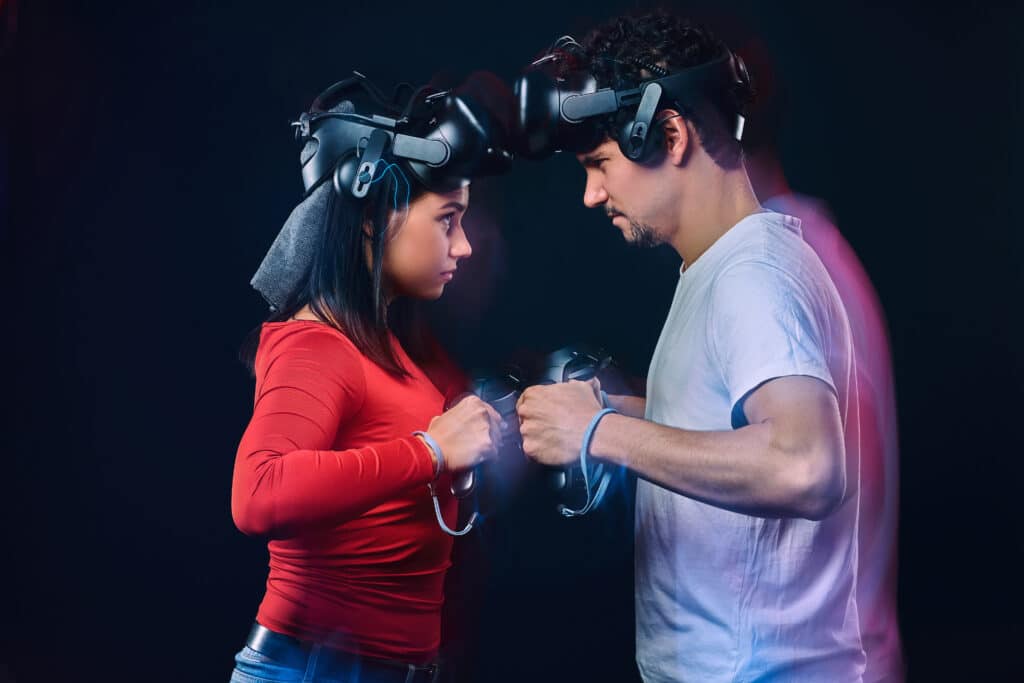
AR or VR: Which Works Better for Your Brand? LinkedIn Introduction The marketing industry is rapidly evolving toward more interactive, immersive, and personalized experiences. In this landscape, two technologies have taken center stage: Augmented Reality (AR) and Virtual Reality (VR). Both promise to transform how brands connect with their audiences, but they do so in different ways, each with unique capabilities, limitations, and strategic advantages.Augmented Reality has grown quickly thanks to its accessibility anyone with a smartphone can enjoy an AR experience. From Instagram filters to virtual try-ons in ecommerce, AR blends the physical world with digital elements, creating seamless, integrated, and highly shareable experiences.Virtual Reality, on the other hand, offers something no other technology can match: total immersion. Through specialized headsets, VR transports users into a fully digital environment, making it ideal for deep, emotional, and memorable experiences.This leads to a key question for brands looking to innovate: Which technology is right for my marketing strategy? It’s not about choosing the most modern or popular option, but the one that best aligns with your goals, budget, audience, and the type of experience you want to deliver.In this blog, we’ll explore what AR and VR are, how they differ, how they work in marketing, examples of brands using them, and most importantly, how to choose the right one for your 2025 strategy. If you want to stand out in an oversaturated market, this guide will give you the clarity you need. What Is AR and What Is VR? Before choosing the right technology, it’s essential to understand how each one works. What Is Augmented Reality (AR)? Augmented Reality (AR) overlays digital elements onto the real world in real time. These elements may include: 3D images Animations Face filters Interactive information Visual and audio effects AR usually works through the camera of a smartphone, making it highly accessible. Common examples of AR: TikTok and Instagram filters Virtual makeup try-ons Visualizing furniture in your home Interactive 3D menus Public brand activations What Is Virtual Reality (VR)? Virtual Reality (VR) creates a fully digital environment where users can interact as if they were inside it. VR requires headsets such as:Meta QuestHTC VivePlayStation VROculus Rift VR enables: Virtual tours Realistic simulations Immersive games Product presentations Entirely new digital worlds Unlike AR, VR replaces reality, delivering total immersion. Why Use AR in Marketing? AR allows interactive experiences without removing users from their real-world surroundings. It’s ideal for brands looking for quick, cost-effective impact. Advantages of AR: Lets users try products virtually (makeup, clothes, furniture). Easy to access just a smartphone is needed. Highly viral, especially on Instagram, TikTok, and WebAR. Reduces returns by allowing customers to visualize products. Perfect for gamified campaigns, filters, challenges, and activations. Successful AR examples: IKEA Place for visualizing furniture at home. L’Oréal’s virtual makeup try-on experiences. Viral AR filters on TikTok, Snapchat, and Instagram. Why Use VR in Marketing? VR offers deeply immersive experiences, perfect for premium campaigns and complex demonstrations. Advantages of VR: 360° tours for real estate or travel. Ideal for training, simulations, and product demos. Delivers premium, memorable brand experiences. Excellent for trade shows, events, and physical installations. Real-world VR examples: Automotive brands allowing virtual car walkthroughs. Hotels showcasing rooms in VR before booking. VR exhibitions at major tech events. Which One Should You Choose for Your Strategy? Choose AR if you want to: Increase ecommerce sales. Create viral social media campaigns. Improve the customer experience. Reduce friction during the buying process. Implement quickly without extra equipment. AR is ideal for social media, ecommerce, and brand activations. Choose VR if you want to: Create premium, unforgettable experiences. Showcase complex products (cars, machinery). Offer immersive tours or simulations. Build experiences for events or physical spaces. VR is ideal for real estate, tourism, automotive, education, and events. How to Integrate AR or VR into Your Marketing 1. Define your main objective Do you want to: Increase sales? Go viral? Educate your audience? Demonstrate a product? 2. Know your audience Do they use TikTok or Instagram? ARDo they have access to VR headsets? VR 3. Choose the right format AR filters Virtual try-ons 3D product visualization VR 360° experiences Gamified experiences Premium VR simulations 4. Design the experienceInclude 3D elements, sound, animation, and a clear narrative. 5. Measure and optimizeTrack: Interaction time Conversion rate Engagement Shares Leads generated Conclusion AR and VR aren’t competitors hey complement each other. Choosing the right one depends on your goals, audience, and the type of impact you want to create.AR is perfect for social media, ecommerce, and viral campaigns.VR shines in premium experiences, simulations, and in-depth product demonstrations.Both technologies can transform your marketing strategy when implemented correctly. Want to integrate AR or VR into your marketing strategy?At Hyper Reality Company, we create immersive experiences, AR filters, 3D product visualizers, and VR projects designed to impress and sell.Contact us and let’s take your brand to the next level.
AR vs VR: ¿Cuál Usar en Tu Estrategia de Marketing en 2025?
AR o VR: cual funciona mejor para tu marca LinkedIn Introducción La industria del marketing está evolucionando hacia experiencias mucho más interactivas, inmersivas y personalizadas. En este contexto, dos tecnologías han tomado un papel protagónico: la Realidad Aumentada (AR) y la Realidad Virtual (VR). Ambas prometen transformar la forma en que las marcas conectan con sus audiencias, pero lo hacen de maneras diferentes, cada una con sus propias capacidades, limitaciones y ventajas competitivas.La Realidad Aumentada ha ganado terreno rápidamente gracias a su accesibilidad: cualquier persona con un smartphone puede vivir una experiencia AR. Desde filtros en Instagram hasta probadores virtuales en ecommerce, la AR permite mezclar el mundo físico con elementos digitales, lo que crea experiencias más cercanas, integradas y fáciles de compartir. Por otro lado, la Realidad Virtual ofrece algo que ninguna otra tecnología puede replicar: una inmersión total. Gracias a visores especializados, VR sumerge al usuario en un entorno completamente digital, ideal para experiencias profundas, emocionales y memorables.Pero surge una pregunta clave para las marcas que desean innovar: ¿cuál de estas tecnologías es la adecuada para mi estrategia de marketing? No se trata solo de elegir la más moderna o la más popular, sino la que mejor se adapte a tus objetivos, presupuesto, público objetivo y tipo de experiencia que buscas ofrecer.En este blog, exploraremos en profundidad qué es AR y VR, en qué se diferencian, cómo funcionan dentro del marketing, qué marcas las están utilizando y, lo más importante, cómo elegir la correcta para tu estrategia en 2025. Si deseas destacar en un mercado saturado, este artículo te dará la claridad que necesitas. ¿Qué es AR y Qué es VR? Las tecnologías inmersivas están cambiando la forma en que las marcas se comunican, pero para elegir correctamente primero hay que entender qué es cada una. ¿Qué es la Realidad Aumentada (AR)? La Realidad Aumentada (AR) consiste en superponer elementos digitales sobre el entorno real. Esto puede incluir: Imágenes 3D Animaciones Filtros faciales Información interactiva Efectos visuales y sonoros Todo ocurre en tiempo real, generalmente usando la cámara de un smartphone.Ejemplos: Filtros de TikTok e Instagram Pruebas virtuales de maquillaje Visualización de muebles en tu sala Restaurantes que muestran menús en 3D Activaciones de marca en espacios públicos ¿Qué es la Realidad Virtual (VR)? La Realidad Virtual (VR) es una tecnología que crea un entorno completamente digital donde el usuario puede interactuar como si estuviera dentro de él. Para vivir una experiencia VR se necesita un visor como: Meta Quest HTC Vive PlayStation VR Oculus Rift La VR permite: Recorridos virtuales Simulaciones realistas Juegos inmersivos Presentaciones de producto Mundos completamente nuevos A diferencia de la AR: VR reemplaza la realidad por completo. ¿Por Qué Usar AR en Marketing? La AR ofrece experiencias interactivas sin alejar al usuario de su entorno. Es perfecta para:Ventajas de AR: Permite probar productos virtualmente (maquillaje, ropa, muebles). Es fácil de usar, solo requiere un smartphone. Es ideal para viralidad, especialmente en Instagram, TikTok y WebAR. Reduce devoluciones al permitir ver el producto antes de comprar. Es perfecta para activaciones gamificadas, filtros, juegos y promociones. Ejemplos: IKEA Place para visualizar muebles. L’Oréal con probadores virtuales de maquillaje. Marcas con filtros AR en TikTok y Reels para lanzamientos. ¿Por Qué Usar VR en Marketing? La VR crea experiencias totalmente inmersivas, ideales para campañas profundas que generen emociones intensas.Ventajas de VR: Permite tours de 360° para inmobiliarias o turismo. Ideal para capacitación, simulaciones y demostraciones complejas. Genera una experiencia premium y memorable. Excelente para ferias, eventos y puntos de venta físicos. Ejemplos: Automotrices que permiten recorrer un carro de manera virtual. Hoteles mostrando habitaciones en VR antes de reservar. Experiencias VR en ferias tecnológicas. ¿Cuál Elegir para Tu Estrategia? Elige AR si quieres: Aumentar ventas en ecommerce. Crear campañas virales en redes sociales. Mejorar la experiencia del cliente. Reducir fricción en la compra. Integración rápida y sin equipos adicionales. AR es ideal para redes sociales, ecommerce y activaciones comerciales. Elige VR si quieres: Crear experiencias premium y memorables. Mostrar productos complejos (autos, maquinaria). Ofrecer tours inmersivos o simulaciones. Crear contenido para eventos o salas físicas. VR es ideal para inmobiliarias, turismo, autos, educación y eventos. Cómo Integrar AR o VR en Tu Marketing (Paso a Paso) 1. Define tu objetivo principal ¿Quieres vender más? ¿Viralizar? ¿Educar? ¿Demostrar un producto? 2. Conoce a tu audiencia ¿Tienen acceso a visores? ¿Usan TikTok o Instagram? Si la respuesta es sí AR es la mejor opción. 3. Selecciona el formato ideal Filtros AR Probadores virtuales Visualización 3D Experiencias VR 360° Tours en VR Juegos gamificados 4. Diseña la experienciaIncluye elementos 3D, sonidos, animaciones y una historia clara. 5. Mide y optimizaEvalúa: Tiempo de interacción Tasa de conversión Compartidos Engagement Leads generados Conclusión AR y VR no compiten se complementan. Pero elegir la tecnología correcta depende de tus objetivos, tu audiencia y el impacto que busques generar.La AR es ideal para viralidad, ecommerce y redes sociales y la VR es perfecta para experiencias inmersivas, premium y memorables. Ambas pueden transformar tu estrategia de marketing si se implementan correctamente. ¿Quieres implementar AR o VR en tu estrategia de marketing?En Hyper Reality Company creamos experiencias inmersivas, filtros, visualizadores 3D y proyectos VR listos para impresionar y vender. Contáctanos y llevemos tu marca al siguiente nivel.
