The best examples of AR in digital marketing today
AR: Marketing that Transforms? LinkedIn The best examples of AR in digital marketing today An initial look at AR in marketing Augmented reality is no longer just a tool we saw in innovative news or at tech fairs; it’s now part of the digital marketing world and is starting to replace traditional practices. Furthermore, it significantly influences how people understand a product before buying it. The interesting thing is that it’s not perceived as something extra or «futuristic»; rather, it’s helping brands clarify doubts, reduce inconveniences, and greatly facilitate the user experience. It’s also relevant that not only big brands are adopting it, but small businesses have found different and disruptive ways to integrate it into their strategy. In this article, I will present some truly worthwhile cases that show how AR is being used in real life. It’s not about theory or promises, but about what brands are implementing, what has worked for them, and what we can learn to apply. Today, AR has become a natural tool to help people visualize, try, or compare something without physically having it in front of them, and that completely transforms how we make decisions. Essentially, it all boils down to a simple question: how are brands using AR to improve user experience and sell better? With the examples I will share, it will become much clearer how far this technology can go when used correctly and not just as a passing trend in the world of advertising. Why has AR become so relevant in digital marketing? The reason AR has gained so much popularity recently is quite simple: it solves a problem that has always been present in digital purchases. People need context before deciding and want to feel confident that what they are seeing on screen actually works for them. With AR, that problem is greatly reduced. Being able to visualize furniture in your living room, try on makeup without being in the store, or confirm your shoe size without relying on «maybe it fits» completely changes the purchase decision. And most importantly, it doesn’t feel like a technological trick but something that brings clarity. Real examples of AR used by recognized brands AR to try products before buying This is one of the most common and impactful uses. IKEA, for example, allowed anyone to see life-sized furniture in their own space with IKEA Place. Sephora did something very similar by offering virtual makeup trials with quite high accuracy. Ray-Ban also achieved good results by letting users try on glasses from their phones. All these cases work because they address a very basic fear: what if it doesn’t fit? AR in physical stores and hybrid experiences Some brands are using AR directly within their stores to enhance the experience. Nike developed a tool to scan your feet and recommend the exact size, which eliminates a lot of frustration. Zara experimented with virtual models showing how clothes look in motion. Even supermarkets like Walmart have tried interactive AR guides in their aisles to help customers find the products they want faster. All these new changes make the physical visit feel more fluid and less complicated, thereby improving the customer experience. AR for creative campaigns, activations, and local experiences Beyond the practical side, AR is also powering campaigns that generate conversation and become memorable. Burger King did it with its «Burn that ad» campaign, where you could «burn» competitors’ ads from your phone. Pepsi surprised with a bus stop in London full of unusual scenes thanks to AR. Hyper Reality Company in Guatemala is achieving something quite interesting. They have taken immersive activations to a level that combines storytelling, interaction, and AR very naturally. They don’t stop at the visual; what they truly seek is for the experience to make sense for both the brand and the person experiencing it. In a country where it is not yet so common to see AR applied strategically, what they are doing makes a huge difference in the market and shows that this technology also has space and potential in the region. Real benefits for businesses adopting AR Beyond being eye-catching, augmented reality has very specific effects for any brand that adopts it. It reduces returns, increases purchase confidence, improves the time customers spend interacting with the product, and in categories where «seeing is deciding,» it has a direct impact on conversion. The most valuable aspect is that it allows the creation and improvement of unique and useful experiences, something that today greatly influences how users relate to a brand. Conclusion Augmented reality has ceased to be a novelty and has become a tool that is truly transforming how people interact with products and services from different brands. And the most impressive thing is that this change is not only happening in giant markets but is also occurring here. Seeing companies like Hyper Reality Company bet on immersive experiences in Guatemala suggests that the region is open to this type of innovation and that the public receives it with genuine interest. What all these examples show is that augmented reality is not just a «prettier» way to present something. It is a tool that clarifies doubts, reduces friction, builds trust, and creates experiences that people remember, as an emotional connection with the product is created. Both in e-commerce and in in-person activations, it helps the user better understand what they are about to buy or experience, and that always translates into better decisions and stronger relationships with the brand. If you are considering integrating AR into your strategy, this is an ideal time. It is no longer a strange technology; user adoption is high, and the results can be very concrete. If you want to explore ideas, validate concepts, or understand what kind of experience could work best for your brand, we can help you bring it to life and align it with your audience. Contact us today! Discover the best augmented reality examples in digital marketing and how brands use it to
Los mejores ejemplos de AR en marketing digital hoy
¿AR: Marketing que transforma? LinkedIn Los mejores ejemplos de AR en marketing digital hoy Una mirada inicial a la AR en marketing La realidad aumentada ya no es una herramienta que solo veíamos en noticias innovadoras o en ferias de tecnología, ahora forma parte del mundo de marketing digital y está empezando a sustituir prácticas tradicionales. Además, influye de manera importante en cómo las personas entienden un producto antes de comprarlo. Lo interesante es que no se percibe como algo extra o “futurista”, más bien está ayudando a que las marcas aclaren dudas, reduzcan inconvenientes y faciliten de forma gigante la experiencia del usuario. También resulta relevante que no solamente las grandes marcas la están adoptando, sino que negocios pequeños han encontrado maneras diferentes y disruptivas de integrarla en su estrategia. En este artículo voy a presentar algunos casos que realmente valen la pena porque muestran cómo se está utilizando la AR en la vida real. No se trata de teoría ni de promesas, sino de lo que las marcas están implementando, qué les ha funcionado y qué podemos rescatar para aplicarlo. Hoy, la AR se ha convertido en una herramienta natural para ayudar a las personas a visualizar, probar o comparar algo sin tenerlo físicamente enfrente, y eso transforma por completo cómo tomamos decisiones. En esencia todo se resume en una pregunta sencilla: ¿cómo están usando las marcas la AR para mejorar la experiencia del usuario y vender mejor? Con los ejemplos que dare voy a compartir, quedará mucho más claro hasta dónde puede llegar esta tecnología cuando se utiliza de la manera correcta y no únicamente como una tendencia pasajera en el mundo de la publicidad. ¿Por qué la AR se volvió tan relevante en marketing digital? La razón por la que la AR tomó tanta popularidad recientemente es bastante facil: resuelve un problema que siempre ha estado presente en las compras digitales. Las personas necesitan contexto antes de decidir y quieren sentirse seguras de que lo que están viendo en pantalla realmente funciona para ellas. Con AR ese problema se reduce muchísimo. Poder visualizar un mueble en tu sala, probarte maquillaje sin estar en la tienda o confirmar tu talla de zapatos sin depender del “tal vez me queda” cambia por completo la decisión de compra. Y lo más importante es que no se siente como un truco tecnológico sino como algo que aporta claridad. Ejemplos reales de AR usados por marcas reconocidas AR para probar productos antes de comprar Este es uno de los usos más comunes y el que más impacto ha tenido. IKEA por ejemplo permitió que cualquier persona pudiera ver muebles a escala real dentro de su propio espacio con IKEA Place. Sephora hizo algo muy similar al ofrecer pruebas virtuales de maquillaje con una precisión bastante alta. Ray Ban también obtuvo buenos resultados que los usuarios se prueben lentes desde el celular. Todos estos casos funcionan porque atacan un miedo muy básico: ¿y si no me queda? AR en tiendas físicas y experiencias híbridas Hay marcas que están usando AR directamente dentro de sus tiendas para mejorar la experiencia. Nike desarrolló una herramienta para escanear tus pies y recomendarte la talla exacta, algo que elimina mucha frustración. Zara experimentó con modelos virtuales que muestran cómo se ve la ropa en movimiento. Incluso supermercados como Walmart han probado guías interactivas con AR dentro de sus pasillos para ayudar a los clientes a encontrar los productos que quieren de una forma mas rapida. Todos estos nuevos cambios hacen que la visita física se sienta más fluida y menos complicada y por ende mejor la experiencia del cliente. AR para campañas creativas, activaciones y experiencias locales Además del lado práctico la AR también está potenciando campañas que generan conversación y se vuelven memorables. Burger King lo hizo con su campana “Burn that ad”, donde podías “quemar” anuncios de la competencia desde tu celular. Pepsi sorprendió con una parada de bus en Londres llena de escenas fuera de lo común gracias a AR. Hyper Reality Company en Guatemala está logrando algo bastante interesante. Ellos han llevado las activaciones inmersivas a un nivel que combina storytelling, interacción y AR de forma muy natural. No se quedan en lo visual, lo que ellos realmente buscan es que la experiencia tenga sentido tanto para la marca como para la persona que la vive. En un país donde todavía no es tan común ver AR aplicada de forma estratégica, lo que están haciendo marca una diferencia abismal en el mercado y demuestra que esta tecnología también tiene espacio y potencial en la región. Beneficios reales para los negocios que adoptan AR Más allá de que llame la atención la realidad aumentada tiene efectos muy especificos para cualquier marca que la adopte. Reduce devoluciones, aumenta la seguridad en la compra, mejora el tiempo que el cliente pasa interactuando con el producto y en categorías donde “ver es decidir” tiene un impacto directo en conversión. Lo más valioso es que permite crear y mejorar experiencias unicas y utiles, algo que hoy influye muchísimo en cómo los usuarios se relacionan con una marca. Conclusión La realidad aumentada dejó de ser una novedad para convertirse en una herramienta que realmente esta transformando cómo las personas interactúan con productos y servicios de diferentes marcas. Y lo más impresionante es que este cambio no solo está pasando en mercados gigantes sino también está ocurriendo aquí. Ver a empresas como Hyper Reality Company apostar por experiencias inmersivas en Guatemala y esto da a entender que la región está abierta a este tipo de innovación y que el público la recibe con interés genuino. Lo que muestran todos estos ejemplos es que la realidad aumentada no es solo una forma más “bonita” de presentar algo. Es una herramienta que aclara dudas, reduce fricciones, construye confianza y crea experiencias que la gente recuerda ya que se crea una conexion meocional con el producto. Tanto en ecommerce como en activaciones presenciales ayuda a que el usuario entienda mejor
How to Create AR Filters for Instagram and TikTok
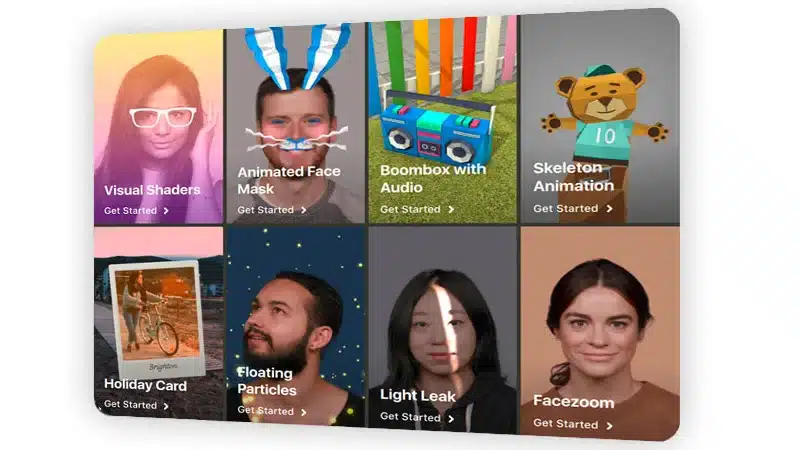
Create AR filters and boots your reach LinkedIn Introduction AR filters for Instagram and TikTok have become one of the most influential and powerful formats in digital content. They are no longer just fun effects they are now a strategic tool to increase visibility, strengthen branding, generate virality, and build more connected communities. Brands, creators, and businesses are turning to augmented reality because this technology allows users not only to see the content, but to be part of it.In 2025, AR filters continue to evolve with new features, advanced interactions, more precise facial tracking, music synchronization, hand tracking, and hyper realistic 3D effects. The question is no longer if your brand should have an AR filter, but when and how to create one strategically.In this blog, you will learn everything you need to know about creating AR filters for Instagram and TikTok from the platforms you should use, to creative planning, designing visual and 3D elements, publishing them, and making them work as part of your digital marketing strategy. If you’re looking to boost your reach, virality, and engagement, this article is your ultimate guide. What Are AR Filters and Why Do They Work on Social Media? AR filters are augmented reality effects that allow digital elements to be superimposed onto the real world through a device’s camera. On Instagram and TikTok, this translates into thousands of creative possibilities: color changes, digital makeup, 3D accessories, interactive games, quizzes, random effects, facial distortions, and more. Benefits for Your Digital Strategy Increase interaction time: Users spend more time using your filter than viewing a regular post. Easily go viral: Every use becomes an implicit recommendation of your brand. Turn users into content creators: Your audience generates content for youcompletely free. Humanize the brand: They make your brand feel more fun, accessible, and modern. Serve as a positioning tool: Ideal for campaigns, activations, and product launches. Tools to Create AR Filters for Instagram and TikTok Spark AR Studio (Instagram and Facebook) A platform ideal for face filters, 2D and 3D effects, simple games, and gesture-activated filters. It allows you to create: Animations Facial tracking 3D objects Color effects Image-triggered filters Advantages: Easy to learn Compatible with 3D design Perfect for branding Fast approval process Effect House (TikTok) A platform specialized in more dynamic and viral effects. It allows you to create: Interactive text Gesture-based games Music-synchronized effects Randomizers («What character are you?») Advantages: More oriented toward viral content More dynamic effects Creative tools for challenges How to Create an AR Filter Step by Step Step 1 – Define the Goal of the Filter Before designing, decide what the purpose of your filter will be: Branding Virality Education Product launch Try-on Gamified interaction Step 2 – Design the Visual Elements You will need: 3D models (if applicable) Textures and PNGs Animations Sounds (especially for TikTok) Subtle branding (Instagram policy) Step 3 – Develop the Filter In Spark AR or Effect House you can: Import objects Set up face tracking Add interactions (blink, tap, open mouth) Add particles Use viral templates Step 4 – Test and Publish Both platforms let you test the effect on your phone.Then it is submitted for review: Instagram: 24–72 hours TikTok: 24–48 hours Successful AR Filters Viral Filters Randomizers, comedic filters, and transformation effects often receive millions of views. Brand Filters Brands like Dior, the NBA, and Samsung use filters for activations and marketing campaigns. Virtual Try-Ons Makeup, eyewear, and clothing brands generate sales through AR try-on experiences. Conclusion AR filters for Instagram and TikTok are a key tool for increasing engagement, reach, and brand recognition in 2025. Creating a filter is much simpler than it seems and can become a central element of your digital strategy. With the right platform and a solid idea, you can create viral effects that connect with thousands of users.If you’re ready to take your content to the next level, AR is the way to go. Want to create a professional AR filter for your brand?At Hyper Reality Company, we develop AR filters for Instagram and TikTok that are built to go viral.Contact us and let’s bring your idea to life.
How to use augmented reality to sell more in ecommerce

AR: E-commerce sales or returns? LinkedIn How to use augmented reality to sell more in ecommerce What is Augmented Reality for Ecommerce? In recent years, Augmented Reality (AR) has been in the process of becoming a key tool for brands that sell online. This happens because it helps create much more real and unique experiences for customers, even when they cannot physically touch or see a product. In a world where more and more people are shopping from their phones and making extremely fast and often quite uninformed decisions, brands are looking for more attractive ways to showcase their products so that the customer feels confident and excited about buying. AR allows the consumer to imagine exactly what an item would look like in their own space, on their body, or in their daily life, which eliminates many of the doubts and friction points that normally exist in digital purchases. Furthermore, this technology allows businesses to stand out in the market by offering interactive experiences that generate connection and trust, and not just simple static photos. As more businesses incorporate AR into their e-commerce, it is constantly being learned that it not only improves the customer experience but also drives sales and reduces the risk of returns. In the following blog, I will explain how it works, why it helps you sell more, and how you can start using augmented reality in your ecommerce without getting too complicated. Benefits of augmented reality in online stores Improves the product try-on experience (“Try Before You Buy”) Augmented reality allows customers to see a product within their own real world, as if it were right in front of them. This new shopping experience completely changes how they make decisions. Today, brands can let a person try on makeup, place a piece of furniture in their living room, or see how an item of clothing would look on them without having to physically go to a store. This is possible thanks to technologies like filters, or through more advanced AR apps that were specifically made to visualize products. This feeling of “I am really seeing it in my space” makes the customer trust more and eliminates the doubt that often stops the purchase in e-commerce. That is why brands like L’Oréal or IKEA have become clear leaders in the power of «try before you buy» because they have managed to reduce returns, increase confidence, and help people make much safer decisions. In Guatemala, Hyper Reality is a great example of how to take this concept even further, as they create immersive experiences where the customer not only visualizes a product but feels it integrated into their real environment, almost as if it were in front of them. This type of interaction is what truly differentiates a brand and shows that it is not just a visual tool, but also an emotional experience that makes the customer feel in control, and when someone feels that way, they are much more likely to buy without thinking twice. Increases conversion rate and average order value When a customer can interact with a product immersively thanks to augmented reality, an emotional connection is instantly created that directly influences their purchase decision because the experience becomes clearer, more realistic, and safer. Augmented reality eliminates potential «buts» that normally stop people, such as doubts about size, color, compatibility, or appearance, and this makes the user move from inspiration to purchase much faster. Integrating AR on product pages also helps highlight key features that previously went unnoticed in normal photos. Furthermore, this same immersive experience opens the door to cross-selling and upselling strategies, because while the user is interacting, it is easier to show them premium versions, compatible accessories, or complementary products. In addition to increasing the conversion rate, this also increases the average order value because augmented reality creates an environment where the customer feels excited, curious, and more open to exploring options they would not see in traditional e-commerce. Reduces returns and purchase doubts AR allows the consumer to imagine exactly what an item would look like in their own space, on their body, or in their daily life, which eliminates many of the doubts and friction points that normally exist in digital purchases. As more businesses incorporate AR into their e-commerce, it is constantly being learned that it not only improves the customer experience but also drives sales and reduces the risk of returns. Consumer psychology and the emotional effect of AR Augmented reality not only transforms the visual part of e-commerce but also the emotional aspect of the purchase process. When a customer can “try” a product in their own space, a sense of control and confidence is activated, which reduces the consumer indecision typical of online shopping. This produces a very common psychological effect called the “endowment effect,” where people value more what they feel is their own, even if they are only viewing it virtually. Thanks to this phenomenon, customers not only explore the product but also develop a stronger emotional connection, which makes them more likely to complete the purchase. Furthermore, AR creates memorable experiences that directly influence brand perception. Companies that offer interactive tools generate a feeling of innovation and user care, and this increases the probability of repeat purchases and loyalty. When a consumer perceives that a brand facilitates their choice and offers a «wow» experience, a positive feeling is generated that can differentiate it from the competition. This emotional impact is not achieved with a common photo or marketplace, which is why AR has become a strategic advantage in modern e-commerce. How to start implementing augmented reality in your ecommerce Define clear business objectives For a business to integrate augmented reality correctly, it first needs to understand the technical side, because well-made 3D models of the product are required, and the platform or system where that experience will be displayed must be chosen. Choose the right technology or provider Some brands use specialized SDKs, others prefer WebAR to avoid customers
Cómo Crear Filtros AR para Instagram y TikTok
Crea filtros AR y potencia tu alcance LinkedIn Introducción Los filtros AR para Instagram y TikTok se han convertido en uno de los formatos más influyentes y potentes dentro del contenido digital. Ya no son solo efectos divertidos: hoy son una forma estratégica de aumentar visibilidad, fortalecer el branding, generar viralidad y construir comunidades más conectadas. Las marcas, creadores de contenido y negocios están recurriendo a la realidad aumentada porque esta tecnología permite que el usuario no solo vea el contenido, sino que forme parte de él.En 2025, los filtros AR continúan evolucionando con nuevas funciones, interacciones avanzadas, reconocimiento facial más preciso, sincronización con música, tracking de manos y efectos 3D hiperrealistas. La pregunta ya no es si deberías tener un filtro AR para tu marca, sino cuándo y cómo crearlo de forma estratégica.En este blog aprenderás todo lo necesario para crear filtros AR para Instagram y TikTok, desde las plataformas que debes utilizar, la planificación creativa, el diseño de elementos visuales y 3D, hasta cómo publicarlos y hacerlos funcionar como parte de tu estrategia de marketing digital. Si buscas aumentar tu alcance, viralidad y engagement, este artículo es tu guía definitiva. ¿Qué Son los Filtros AR y Por Qué Funcionan en Redes Sociales? Los filtros AR son efectos basados en realidad aumentada que permiten superponer elementos digitales sobre el mundo real mediante la cámara del dispositivo. En Instagram y TikTok, esto se traduce en miles de posibilidades creativas: cambio de color, maquillaje digital, accesorios 3D, juegos interactivos, quizzes, efectos aleatorios, deformaciones faciales y más. Beneficios para tu estrategia digital Aumentan el tiempo de interacción: los usuarios pasan más tiempo usando tu filtro que viendo un post. Se viralizan fácilmente: cada uso es una recomendación implícita de tu marca. Convierten usuarios en creadores de contenido: tu audiencia produce contenido gratis para ti. Humanizan la marca: la vuelve más divertida, accesible y actual. Sirven como herramienta de posicionamiento: ideal para campañas o lanzamientos Herramientas para Crear Filtros AR en Instagram y TikTok Spark AR Studio (Instagram y Facebook) Una plataforma ideal para filtros de rostro, efectos 2D y 3D, juegos simples y filtros activados por gestos en la cual permite: Animaciones Reconocimiento facial Objetos 3D Efectos de color Filtros activados por imagen Ventajas: Fácil de aprender Compatible con diseño 3D Perfecto para branding Aprobación rápida Effect House (TikTok) Especializada en efectos más dinámicos y virales en la cual permite: Textos interactivos Juegos con gestos Sincronización con música Efectos aleatorios («What character are you?») Ventajas: Más orientado a contenido viral Efectos más dinámicos Herramientas creativas para challenges Cómo Crear un Filtro AR Paso a Paso Paso 1 – Define el objetivo del filtro Antes de diseñar, decide si el filtro servirá para: Branding Viralidad Educación Lanzamiento de producto Try-on Interacción gamificada Paso 2 – Diseña los elementos visuales Necesitarás: Modelos 3D (si aplica) Texturas y PNGs Animaciones Sonidos (especialmente para TikTok) Branding sutil (norma de Instagram) Paso 3 – Desarrolla el filtro En Spark AR o Effect House podrás: Importar objetos Configurar tracking facial Activar interacciones (blink, tap, open mouth) Añadir partículas Usar plantillas virales Paso 4 – Prueba y publica Ambas plataformas permiten probar el efecto en tu móvil.Luego se envía a revisión:Instagram: 24–72 horasTikTok: 24–48 horas Filtros AR Exitosos Filtros virales Los randomizers, filtros cómicos o efectos de transformación reciben millones de vistas. Filtros de marca Empresas como Dior, NBA y Samsung usan filtros para activaciones y campañas. Probadores virtuales Marcas de maquillaje, lentes y ropa generan ventas gracias a try-on AR. Conclusión Los filtros AR para Instagram y TikTok son una herramienta clave para aumentar engagement, alcance y reconocimiento de marca en 2025. Crear un filtro es mucho más sencillo de lo que parece y puede convertirse en un elemento central de tu estrategia digital. Con la plataforma adecuada y una buena idea, puedes generar efectos virales que conecten con miles de usuarios.Si estás listo para llevar tu contenido al siguiente nivel, la AR es el camino. ¿Quieres crear un filtro profesional para tu marca? En Hyper Reality Company desarrollamos filtros AR para Instagram y TikTok listos para viralizarse.Contáctanos y llevemos tu idea a la realidad.
Cómo usar realidad aumentada para vender más en ecommerce
¿Realidad que vende? LinkedIn Cómo usar realidad aumentada para vender más en ecommerce ¿Qué es la realidad aumentada para ecommerce? La realidad aumentada en los últimos años ha estado en proceso de convertirse en una herramienta clave para las marcas que venden en línea. Esto sucede ya que ayuda a crear experiencias mucho más reales y únicas para los clientes, incluso cuando no pueden tocar o ver físicamente un producto. En un mundo donde cada vez más personas compran desde sus teléfonos y toman decisiones sumamente rápidas y bastante desinformadas, las marcas están buscando maneras más atractivas de mostrar sus productos de forma en que el cliente se sienta seguro y emocionado al comprar. La RA permite que el consumidor se imagine exactamente cómo se vería un artículo en su propio espacio, en su cuerpo o en su vida diaria, lo que elimina muchísimas dudas y fricciones que normalmente existen en las compras digitales. Además, esta tecnología permite a las empresas resaltar en el mercado al ofrecer experiencias interactivas que generan conexión y confianza, y no solo simples fotos estáticas. A medida que más negocios incorporan RA en sus ecommerce, se aprende constantemente que no solo mejora la experiencia del cliente, sino que también impulsa las ventas y reduce los riesgos de devolución. En el siguiente blog te explicaré cómo funciona, por qué te ayuda a vender más y cómo puedes empezar a usar realidad aumentada en tu ecommerce sin complicarte demasiado. Beneficios de la realidad aumentada en tiendas online Mejora la experiencia de prueba del producto (“try before you buy”) La realidad aumentada permite que los clientes puedan ver un producto dentro de su propio mundo real, como si lo tuvieran enfrente. Esta nueva experiencia de compra cambia completamente cómo toman sus decisiones. Las marcas hoy pueden hacer que una persona se pruebe maquillaje, que coloque un mueble en su sala o que vea cómo le quedaría una prenda sin necesidad de ir físicamente a una tienda, y esto es posible gracias a tecnologías como filtros, o por apps de RA más avanzadas que fueron hechas específicamente para visualizar productos. Esta sensación de “lo estoy viendo realmente en mi espacio” hace que el cliente confíe más y elimine esa duda que muchas veces frena la compra en ecommerce. Por eso marcas como L’Oréal o IKEA se han vuelto líderes claros del poder del “try before you buy”, porque han logrado reducir devoluciones, aumentar la confianza y hacer que las personas tomen decisiones mucho más seguras. En Guatemala, Hyper Reality es un gran ejemplo de cómo llevar este concepto aún más lejos, ya que crean experiencias inmersivas donde el cliente no solo visualiza un producto, sino que lo siente integrado en su entorno real, casi como si lo tuviera frente a él. Este tipo de interacción es lo que realmente diferencia a una marca y demuestra que no es solo una herramienta visual, al mismo tiempo es una experiencia emocional que hace que el cliente se sienta en control y cuando alguien se siente así, es mucho más probable que compre sin pensarlo dos veces. Aumenta la tasa de conversión y el valor promedio del pedido Cuando un cliente puede interactuar con un producto de forma inmersiva gracias de realidad aumentada, se crea instantáneo una conexión emocional que influye directamente en su decisión de compra porque la experiencia se vuelve más clara, realista y segura. La realidad aumentada elimina posibles “peros” que normalmente detienen a las personas, como dudas de tamaño, color, compatibilidad o apariencia, y esto hace que el usuario pase de inspiración a compra mucho más rápido. Integrar RA en las páginas de producto también ayuda a resaltar características clave que antes pasaban desapercibidas en fotos normales. Además, esta misma experiencia inmersiva abre la puerta a estrategias de cross-selling y upselling, porque mientras el usuario interactúa, es más fácil mostrarle versiones premium, accesorios compatibles o productos complementarios. Esto además de aumentar la tasa de conversión también incrementa el valor promedio del pedido, porque la realidad aumentada crea un ambiente donde el cliente se siente emocionado, curioso y más abierto a explorar opciones que en un ecommerce tradicional no vería. Reduce devoluciones y dudas de compra La RA permite que el consumidor se imagine exactamente cómo se vería un artículo en su propio espacio, en su cuerpo o en su vida diaria, lo que elimina muchísimas dudas y fricciones que normalmente existen en las compras digitales. A medida que más negocios incorporan RA en sus ecommerce, se aprende constantemente que no solo mejora la experiencia del cliente, sino que también impulsa las ventas y reduce los riesgos de devolución. Psicología del consumidor y efecto emocional de la RA La realidad aumentada no solo transforma la parte visual del ecommerce, sino también el aspecto emocional del proceso de compra. Cuando un cliente puede “probar” un producto en su propio espacio, se activa una sensación de control y confianza que reduce la indecisión del consumidor típica de las compras online. Esto produce un efecto psicológico bastante común llamado “endowment effect”, donde las personas valoran más aquello que sienten como propio, incluso si solo lo están viendo de manera virtual. Gracias a este fenómeno los clientes no sólo exploran el producto sino que también desarrollan una conexión emocional más fuerte, lo que los hace más propensos a finalizar la compra. Además, la RA crea experiencias memorables que influyen directamente en la percepción de la marca. Las empresas que ofrecen herramientas interactivas generan una sensación de innovación y cuidado por el usuario y esto aumenta la probabilidad de recompra y fidelización. Cuando un consumidor percibe que una marca le facilita la elección y le ofrece una experiencia “wow”, se genera un sentimiento positivo que puede diferenciarla de la competencia. Este impacto emocional no se logra con una foto o mercado común por eso la RA se ha convertido en una ventaja estratégica en el ecommerce moderno. Cómo empezar a implementar realidad aumentada en tu ecommerce Define objetivos claros de negocio Para
How to Use Augmented Reality to Sell More in Ecommerce
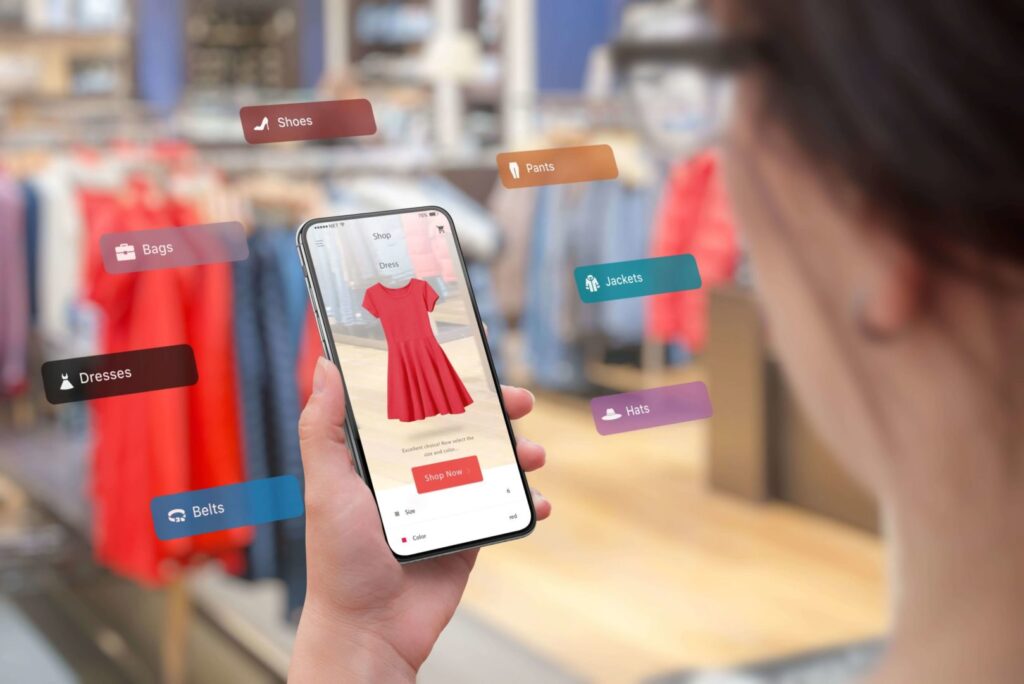
Use AR to Boots Your Sales LinkedIn Introduction: Augmented reality (AR) is changing the way consumers shop online, taking the shopping experience beyond static images and product descriptions. In ecommerce, AR enables the creation of immersive and interactive experiences, which not only capture users’ attention but also increase trust and reduce uncertainty during the purchase process.As consumers seek more dynamic and personalized shopping experiences, augmented reality presents itself as a key tool to improve conversions in ecommerce. From virtually trying on clothes to seeing how products will look in their home, AR provides consumers with the ability to make informed decisions, leading to increased sales and a more satisfying experience.In this article, we will explore how to implement AR in your ecommerce to enhance the shopping experience, increase conversions, and ultimately sell more. Why Use Augmented Reality in Ecommerce? Augmented reality has the ability to transform the way consumers interact with products online. Traditionally, online shopping relies on static images and textual descriptions, leaving plenty of room for uncertainty. With AR, consumers can interact with and experience the product before purchasing it, which boosts their confidence and reduces the perceived risk. Advantages of Using AR in Ecommerce: Reduction of Uncertainty: Consumers can see how products fit into their real environment, reducing doubts before making a purchase. Immersive Experience: AR allows customers to experience products in more detail, as if they were trying them on or using them in real-time. Increased Engagement: AR experiences are interactive, fostering higher engagement and user retention. Better Decision Making: The ability to visualize and try products before buying helps consumers make more informed decisions. How to Implement AR in Your Ecommerce 1. Create a Virtual Product Experience One of the most effective ways to use AR in ecommerce is through virtual try-ons. For example, fashion or beauty stores can allow customers to try on clothes, makeup, or accessories without physically trying them on. With AR, the customer can see how a garment would fit or how makeup would look on their face, all from the comfort of their home.For furniture and decor ecommerce, you can offer users the ability to see how furniture would look in their home using an AR app. This not only improves the shopping experience but also reduces the risk of returns, as consumers can visualize the product in their own space before making a purchase. Useful Tools: IKEA Place: Allows consumers to see how furniture will look in their home using AR. ModiFace: Offers virtual makeup try-on experiences for beauty ecommerce. 2. Improve Product Visualization AR also enhances product visualization, especially in categories like electronics, clothing, and accessories. Consumers can see the product from different angles and in 3D, giving them a clearer view of what they are buying. This is especially useful for products with complex details or features that cannot be captured in a static image.For example, in footwear ecommerce, an AR app can allow users to see how they would look with a pair of shoes on, or even how they fit while walking, making the purchase more appealing and less risky. Useful Tools: 3D Product Visualization: Integrates 3D visualization to view products from different perspectives. Holition: Provides interactive 3D product experiences for luxury ecommerce. 3. Implement Location-Based AR For ecommerce with physical stores or in specific areas, location-based AR can be a great tool to attract customers to the point of sale. By using GPS and AR technology, you can offer promotions and discounts when users are near your physical store, creating a smoother shopping experience between the physical and digital world.This type of AR can also be used to guide customers inside a physical store or shopping mall, helping them find the product they are looking for or guiding them to a special offer. Useful Tools: 8th Wall: Allows you to create location-based AR experiences that guide users inside physical stores. ARKit (Apple) and ARCore (Google): Platforms to create location-based AR experiences. Tips to Maximize the Impact of AR in Your Ecommerce 1. Make It Easy to Use: The AR experience should be accessible and easy to use. If your AR tool is complicated or requires users to download an additional app, you could lose potential customers. Make sure the AR experience is smooth and frictionless. 2. Integration with Social Media: AR is highly shareable on social media platforms. Take advantage of this by allowing users to share their AR experiences with friends and followers, creating a viral effect that amplifies your brand’s message. 3. Run Tests and Optimize: As with any marketing strategy, it’s important to measure and optimize. Analyze interaction time, conversion rates, and customer satisfaction to assess the impact of AR and make necessary adjustments. Conclusion Augmented reality is one of the most powerful tools for ecommerce in 2025. By integrating AR into your marketing strategy, you can offer interactive and personalized experiences that not only enhance customer satisfaction but also increase conversions and reduce returns. From trying on products to improving 3D visualization, AR is an essential tool for brands looking to stand out in a competitive market. If you implement AR strategically, you can transform the way consumers interact with your brand and take your sales to the next level. Ready to take your ecommerce to the next level with augmented reality? Find us as Hyper Reality Company and discover how we can help you implement immersive experiences that drive your sales.
Cómo Usar Realidad Aumentada para Vender Más en Ecommerce
Usa AR para mejorar tu ventas LinkedIn Introducción: La realidad aumentada (RA) está cambiando la forma en que los consumidores compran en línea, llevando la experiencia de compra más allá de las imágenes estáticas y los descripciones de productos. En el ecommerce, la RA permite crear experiencias inmersivas e interactivas, lo que no solo atrae la atención de los usuarios, sino que también aumenta la confianza y reduce la incertidumbre al momento de la compra.A medida que los consumidores buscan experiencias de compra más dinámicas y personalizadas, la realidad aumentada se presenta como una herramienta clave para mejorar las conversiones en ecommerce. Desde probarse ropa de forma virtual hasta ver cómo quedarán los productos en su hogar, la RA proporciona a los consumidores la posibilidad de tomar decisiones informadas, lo que conduce a un aumento en las ventas y a una experiencia más satisfactoria.En este artículo, exploraremos cómo implementar la RA en tu ecommerce para mejorar la experiencia de compra, aumentar las conversiones y, en última instancia, vender más. ¿Por Qué Usar Realidad Aumentada en Ecommerce? La realidad aumentada tiene la capacidad de transformar la forma en que los consumidores interactúan con los productos en línea. Tradicionalmente, las compras en línea dependen de imágenes estáticas y descripciones textuales, lo que deja mucho espacio para la incertidumbre. Con la RA, los consumidores pueden interactuar y experimentar el producto antes de comprarlo, lo que aumenta su confianza y disminuye el riesgo percibido. Ventajas de usar RA en ecommerce: Reducción de la incertidumbre: Los consumidores pueden ver cómo los productos encajan en su entorno real, lo que disminuye las dudas antes de realizar una compra. Experiencia inmersiva: La RA permite a los clientes experimentar los productos de manera más detallada, como si los estuvieran probando o usando en tiempo real. Aumento de la participación: Las experiencias de RA son interactivas, lo que fomenta una mayor participación y retención del usuario. Mejor toma de decisiones: La capacidad de visualizar y probar productos antes de comprarlos ayuda a los consumidores a tomar decisiones más informadas. Cómo Implementar RA en Tu Ecommerce 1. Crea una Experiencia de Producto Virtual Una de las maneras más efectivas de usar la RA en ecommerce es mediante los probadores virtuales. Por ejemplo, las tiendas de moda o belleza pueden permitir que los clientes prueben ropa, maquillaje o accesorios sin necesidad de probarlos físicamente. Con la ayuda de la RA, el cliente puede ver cómo le quedaría una prenda o cómo se vería un maquillaje en su rostro, todo desde la comodidad de su casa. En el caso de ecommerce de muebles y decoración, puedes ofrecer a los usuarios la posibilidad de ver cómo quedarían los muebles en su hogar mediante una aplicación de RA. Esto no solo mejora la experiencia de compra, sino que también reduce el riesgo de devoluciones, ya que los consumidores pueden visualizar el producto en su propio entorno antes de comprarlo. Herramientas útiles: IKEA Place: Permite a los consumidores ver cómo quedarán los muebles en su hogar mediante RA. ModiFace: Ofrece experiencias de prueba de maquillaje virtual para ecommerce de belleza. 2. Mejora la Visualización del Producto La RA también permite mejorar la visualización de los productos, especialmente en categorías como electrónica, ropa y accesorios. Los consumidores pueden ver el producto desde diferentes ángulos y en 3D, lo que les da una visión más clara de lo que están comprando. Esto es especialmente útil en productos que tienen detalles complejos o características que no se pueden capturar en una foto estática.Por ejemplo, en el ecommerce de calzado, una aplicación de RA puede permitir que los usuarios vean cómo se verían con un par de zapatos puestos, o incluso cómo se ajustan al caminar, ayudando a que la compra sea más atractiva y menos riesgosa. Herramientas útiles: 3D Product Visualization: Integración de visualización en 3D para ver productos desde diferentes perspectivas. Holition: Ofrece experiencias interactivas de productos en 3D para ecommerce de lujo. 3. Implementa AR Basada en la Ubicación Para ecommerce con tiendas físicas o en áreas específicas, la RA basada en la ubicación puede ser una excelente herramienta para atraer a los clientes al punto de venta. Utilizando GPS y tecnología de RA, puedes ofrecer promociones y descuentos cuando los usuarios se encuentren cerca de tu tienda física, creando una experiencia de compra más fluida entre el mundo físico y el digital.Este tipo de RA también puede ser utilizada para guiar a los clientes dentro de una tienda física o un centro comercial, ayudándolos a encontrar el producto que buscan o guiándolos hacia una oferta especial. Herramientas útiles: 8th Wall: Permite crear experiencias de RA basadas en la ubicación que guían a los usuarios dentro de tiendas físicas. ARKit (Apple) y ARCore (Google): Plataformas para crear experiencias de RA basadas en la ubicación. Consejos para Maximizar el Impacto de la RA en Tu Ecommerce 1. Hazlo Fácil de Usar: La experiencia de RA debe ser accesible y fácil de usar. Si tu herramienta de RA es complicada o requiere que los usuarios descarguen una aplicación adicional, podrías perder potenciales clientes. Asegúrate de que la experiencia de RA sea fluida y sin fricciones. 2. Integración con Redes Sociales: La RA es altamente compartible en plataformas de redes sociales. Aprovecha esto permitiendo que los usuarios compartan sus experiencias de RA con amigos y seguidores, lo que genera un efecto viral que amplifica el mensaje de tu marca. 3. Realiza Pruebas y Optimiza: Como con cualquier estrategia de marketing, es importante medir y optimizar. Analiza el tiempo de interacción, las tasas de conversión y la satisfacción del cliente para evaluar el impacto de la RA y hacer ajustes necesarios. Conclusión La realidad aumentada es una de las herramientas más poderosas para ecommerce en 2025. Al integrar RA en tu estrategia de marketing, puedes ofrecer experiencias interactivas y personalizadas que no solo mejoran la satisfacción del cliente, sino que también aumentan las conversiones y reducen las devoluciones. Desde probar productos hasta mejorar la visualización
How to Create an Augmented Reality Strategy for Your Brand

AR strategies for Marketing 2025 LinkedIn Introduction: Augmented reality (AR) has stopped being an emerging trend and has become one of the most powerful tools in the marketing world. As brands seek new ways to connect with their consumers, AR offers the ability to create immersive experiences that not only capture attention but also foster a deep and meaningful emotional connection. This technology, which combines virtual elements with the real world, has the potential to transform the way consumers interact with products and services, enhancing the brand experience and creating a lasting impact.By 2025, more brands are recognizing the power of AR, but many still have doubts about how to implement it correctly and align it with specific business and marketing objectives. This article is designed to guide you step-by-step through the process of creating an effective AR strategy for your brand. We will explore how AR can not only improve the customer experience but also boost your digital presence and increase brand loyalty. Why Does Augmented Reality Work in Marketing? The reason augmented reality is so effective in marketing lies in its ability to connect the digital with the physical in a natural and intuitive way for consumers. This type of immersive experience triggers emotions and generates a high level of attention, which translates into greater engagement with the brand. Unlike other types of passive content, AR allows users to interact directly with products, which not only increases their level of involvement but also improves brand recall.Additionally, AR allows for greater personalization. Consumers can virtually try products, see how they would look in their real-world environment, or even interact with services in a unique way, removing traditional barriers that limit the shopping experience. This ability to offer a personalized, frictionless experience is difficult to replicate with more static or traditional content.On the other hand, AR also facilitates decision-making. By offering clear product visualizations, from trying on clothes to seeing how a piece of furniture would look in their living room, consumers can make more informed and quicker purchasing decisions. This eliminates uncertainty and enhances customer confidence, which leads to a higher purchase intent. How to Implement AR in My Brand? One of the most common questions brands ask when they want to venture into augmented reality is: «How do I implement AR in my brand?» To answer this question, it is crucial to take the first steps strategically. 1. Define a Clear Objective: Before you begin, you need to be clear about what you want to achieve with AR. Common goals include: increasing sales, improving customer interaction, positioning the brand as innovative, enhancing the shopping experience, or improving customer service.Each of these goals may require different types of content, such as interactive filters, virtual try-ons, gamified AR experiences, or even location-based AR. 2. Choose the Right Type of Content: Depending on the objective you’ve defined, it’s important to select the appropriate type of content. Some options include: Filters and effects: For social media campaigns. Virtual try-ons: For fashion or beauty products. Gamified experiences: To generate interaction and engagement. Location-based AR: For retail or tourism businesses. 3. Select the Right Platform: It is essential that the AR experience be accessible without requiring users to download an additional app. There are several platforms that allow AR to be integrated directly into existing websites or mobile apps, reducing friction and facilitating the user experience. 4. Measure Results and Optimize: Once you’ve launched your AR experience, it’s crucial to measure the results. Key indicators may include interaction time, engagement rates, the number of shares on social media, and, of course, the impact on sales. Analyzing this data will allow you to optimize future experiences and continuously improve your AR marketing strategy. What to Consider When Implementing AR in Your Marketing Strategy 1. Know Your Audience: For AR to be effective, you need to deeply understand the needs, interests, and behaviors of your target audience. This will allow you to create personalized experiences that resonate emotionally with your consumers and increase the impact of your campaign. 2. Involve All Marketing Channels: AR should be seen as an extension of your overall marketing strategy, not as an isolated solution. Make sure that your AR experience is integrated into your social media marketing, email marketing, and websites to maximize reach and effectiveness. 3. Keep It Simple: While AR can be complex, it’s important that the experience is easy to use. If your AR tool requires too many steps or is hard to access, users are likely to abandon the experience before completing it. Simplicity is key to ensuring a smooth user experience. Conclusion: Creating an augmented reality strategy for your brand is not just about following a technological trend, but about building experiences that offer real value to the consumer, connect with their emotions, and strengthen the relationship with the brand. AR works because it is immersive, interactive, and memorable qualities that make it a powerful tool in today’s marketing landscape.As more brands adopt AR, this technology will continue to evolve, offering new ways of interaction and creating opportunities to connect with consumers on a deeper level. By defining clear objectives and using AR strategically, you can create experiences that truly transform the way your customers interact with your brand.
Como crear una estrategia de realidad aumentada para tu marca
Estrategias de AR para marketing 2025 LinkedIn Introducción: La realidad aumentada (RA) ha dejado de ser una tendencia emergente y se ha convertido en una de las herramientas más poderosas en el mundo del marketing. A medida que las marcas buscan nuevas maneras de conectar con sus consumidores, la RA ofrece la posibilidad de crear experiencias inmersivas que no solo capturan la atención, sino que también fomentan una conexión emocional profunda y significativa. Esta tecnología, que combina elementos virtuales con el mundo real, tiene la capacidad de transformar la forma en que los consumidores interactúan con productos y servicios, mejorando la experiencia de marca y generando un impacto duradero.En 2025, más marcas están reconociendo el poder de la RA, pero aún existen muchas dudas sobre cómo implementarla correctamente y alinearla con objetivos de negocio y marketing específicos. Este artículo está diseñado para guiarte paso a paso en el proceso de creación de una estrategia de RA eficaz para tu marca. Veremos cómo la RA puede no solo mejorar la experiencia del cliente, sino también potenciar tu presencia digital y aumentar la lealtad hacia tu marca. ¿Por qué Funciona la Realidad Aumentada en Marketing? La razón por la cual la realidad aumentada es tan efectiva en marketing radica en su capacidad para conectar lo digital con lo físico de una manera natural e intuitiva para los consumidores. Este tipo de experiencia inmersiva activa emociones y genera un alto nivel de atención, lo que se traduce en un mayor compromiso con la marca. A diferencia de otros tipos de contenido pasivo, la RA permite que los usuarios interactúen directamente con los productos, lo que no solo aumenta su nivel de involucramiento, sino que también mejora la recordación de marca.Además, la RA permite una mayor personalización. Los consumidores pueden probar productos de manera virtual, ver cómo quedarían en su entorno real, o incluso interactuar con servicios de una manera única, reduciendo las barreras tradicionales que limitan la experiencia de compra. Esta capacidad de ofrecer una experiencia personalizada y libre de fricciones es difícil de replicar con contenido más estático o tradicional.Por otro lado, la RA también facilita la toma de decisiones. Al ofrecer visualizaciones claras de productos, desde probarse ropa hasta ver cómo un mueble quedaría en la sala de su casa, los consumidores pueden tomar decisiones de compra más informadas y rápidas. Esto elimina la incertidumbre y mejora la confianza del cliente, lo que resulta en una mayor intención de compra.Finalmente, una de las razones por las que la RA funciona tan bien es su capacidad de ser altamente compartible en redes sociales. Las experiencias interactivas y divertidas generan un efecto viral orgánico, lo que permite a las marcas amplificar su mensaje sin costos adicionales. Las personas disfrutan compartir experiencias únicas con sus amigos y seguidores, lo que ayuda a las marcas a llegar a una audiencia mucho más amplia. ¿Cómo Implementar RA en Mi Marca? Una de las preguntas más comunes que se hacen las marcas que quieren incursionar en la realidad aumentada es: «¿Cómo hago para implementar RA en mi marca?» Para responder a esta pregunta, es crucial dar los primeros pasos de manera estratégica. 1. Define un Objetivo Claro: Antes de comenzar, debes tener claro lo que deseas lograr con la RA. Los objetivos comunes incluyen: Aumentar ventas, mejorar la interacción con el cliente, posicionar la marca como innovadora, mejorar la experiencia de compra o el servicio al cliente.Cada uno de estos objetivos puede requerir diferentes tipos de contenido, como filtros interactivos, probadores virtuales, experiencias de RA gamificadas o incluso AR basada en la ubicación. 2. Elige el Tipo de Contenido Apropiado: Dependiendo del objetivo que hayas definido, es importante seleccionar el tipo de contenido adecuado. Algunas opciones incluyen: Filtros y efectos: Para campañas en redes sociales. Probadores virtuales: Para productos de moda o belleza. Experiencias gamificadas: Para generar interacción y compromiso. AR basada en la ubicación: Para empresas de retail o turismo. Selecciona la Plataforma Adecuada: Es esencial que la experiencia de RA sea accesible sin necesidad de que los usuarios descarguen una aplicación adicional. Existen diversas plataformas que permiten integrar RA directamente en sitios web o aplicaciones móviles existentes, lo que reduce la fricción y facilita la experiencia del usuario. 4. Mide Resultados y Optimiza: Una vez que hayas lanzado tu experiencia de RA, es fundamental medir los resultados. Los indicadores clave pueden incluir el tiempo de interacción, las tasas de participación, el número de compartidos en redes sociales y, por supuesto, el impacto en las ventas. Analizar estos datos te permitirá optimizar futuras experiencias y mejorar continuamente tu estrategia de marketing con RA. ¿Qué Debes Considerar al Implementar RA en Tu Estrategia de Marketing? 1. Conoce a Tu Público: Para que la RA sea efectiva, necesitas comprender a fondo las necesidades, intereses y comportamientos de tu público objetivo. Esto te permitirá crear experiencias personalizadas que resuenen emocionalmente con tus consumidores y aumenten el impacto de tu campaña. 2. Involucra a Todos los Canales de Marketing: La RA debe ser vista como una extensión de tu estrategia de marketing general, no como una solución aislada. Asegúrate de que tu experiencia de RA esté integrada en tus esfuerzos de marketing en redes sociales, email marketing y sitios web, para maximizar el alcance y la efectividad. 3. Mantén la Simplicidad: Aunque la RA puede ser muy compleja, es importante que la experiencia sea fácil de usar. Si tu herramienta de RA requiere demasiados pasos o es difícil de acceder, es probable que los usuarios abandonen la experiencia antes de completarla. La simplicidad es clave para asegurar una experiencia de usuario fluida. Conclusión: Crear una estrategia de realidad aumentada para tu marca no solo se trata de seguir una moda tecnológica, sino de construir experiencias que ofrezcan un valor real al consumidor, conecten con sus emociones y fortalezcan la relación con la marca. La RA funciona porque es inmersiva, interactiva y memorable, características que la convierten en una herramienta poderosa en el marketing actual.A medida que más marcas
