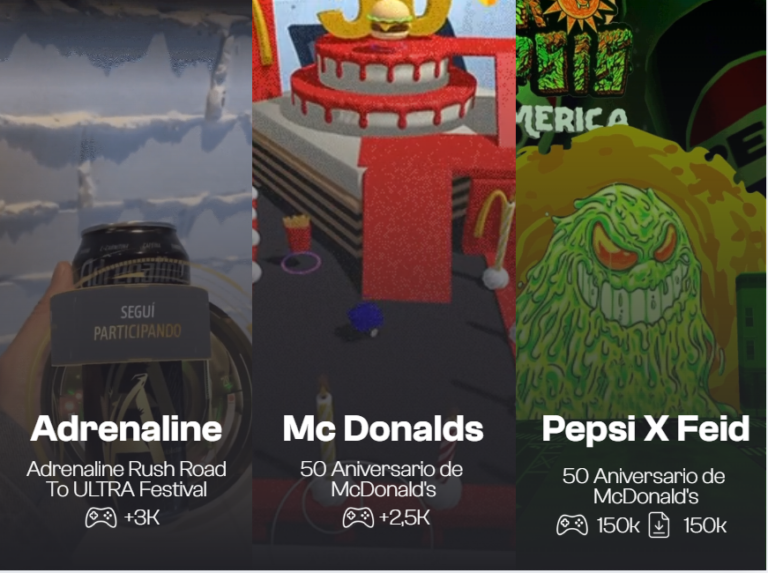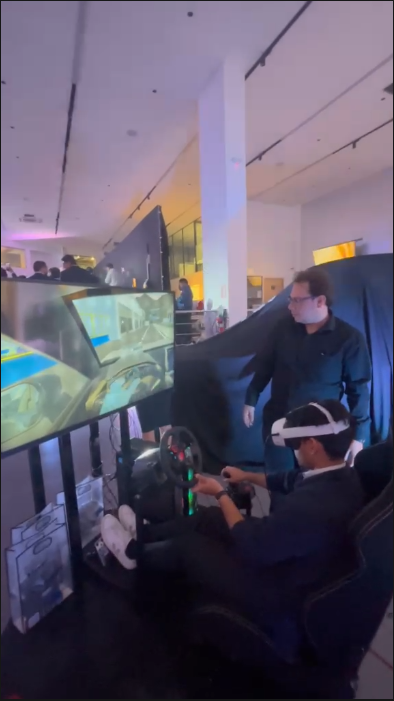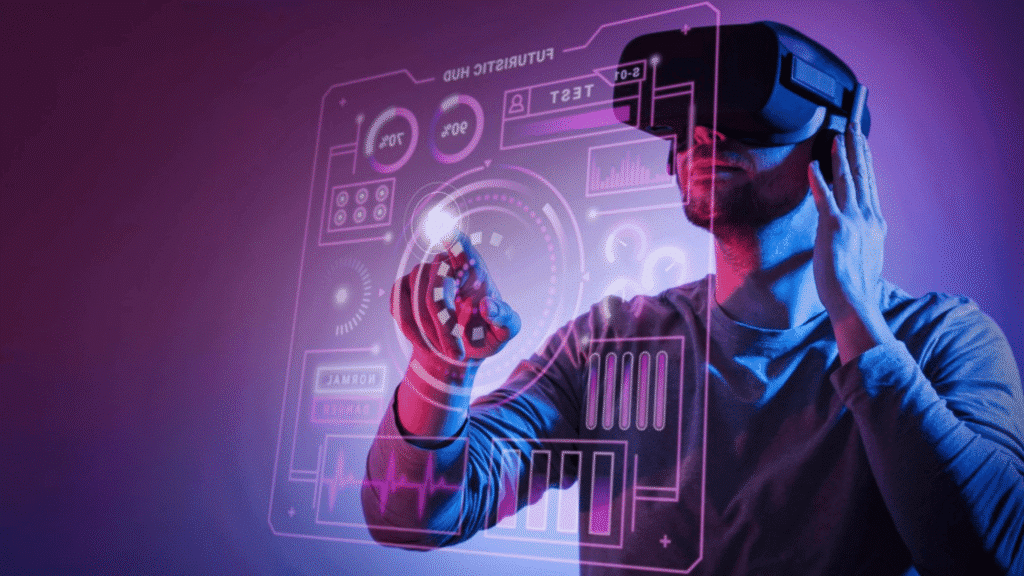
When screens are no longer enough, the future of the digital experience is immersive. Discover how AR is revolutionizing interaction with your customers.
La interacción con clientes está viviendo una metamorfosis sin precedentes hacia el mundo de la Realidad Aumentada (AR). En la era actual, el consumidor ya no se conforma con ser un espectador pasivo detrás de una pantalla de cristal; ahora busca ser el protagonista de una narrativa digital que se despliega en su propio salón. El futuro de los negocios depende de la capacidad de las marcas para romper la barrera de lo bidimensional y ofrecer soluciones que se sientan tangibles y reales.
En este artículo, desglosaremos cómo la tecnología inmersiva está elevando los estándares de servicio y por qué las pantallas tradicionales están empezando a ser insuficientes. Aprenderás a utilizar la AR no solo como un efecto visual, sino como un puente sólido para generar confianza y lealtad. ¿Estás preparado para descubrir cómo transformar cada punto de contacto en una experiencia inolvidable que cautive a tu audiencia?
What is an immersive digital experience?
An immersive experience is one that uses technology to blur the line between the physical and digital worlds. By integrating interaction into a 3D environment, you allow customers to «live» the product before purchasing it.
Strategies for more customer interaction
Real-time visualization: Allows the user to place 3D models of products in their physical space.
Service gamification: Transforms the resolution of doubts into an interactive and entertaining process.
Extreme personalization: Adapts the digital interface to the needs and specific environment of each user.



How to generate more leads with AR experiences
The ability to surprise is the first step toward converting a visitor into a potential customer. When you offer a useful and futuristic tool, the capture of leads becomes organic.
Immersive Catalogs: Replacing static PDFs with AR viewers increases the time spent on your website.
Visual Technical Support: Solving problems through «remote over-the-shoulder assistance» drastically reduces returns and complaints.
Virtual Showrooms: Allows your customers to visit your store from anywhere in the world, eliminating geographical barriers.
Quick Response: The Impact of AR
How does augmented reality affect customer interaction? AR improves the brand-consumer relationship through three fundamental pillars:
Clarity: Eliminates ambiguities by showing the product in its real context.
Confidence: Reduces the fear of error in online shopping.
Retention: Immersive experiences are more memorable than traditional advertising.


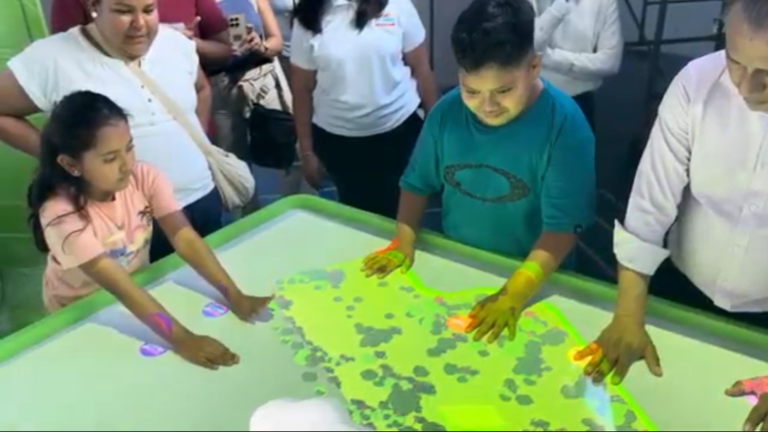
Success Stories and Real Examples
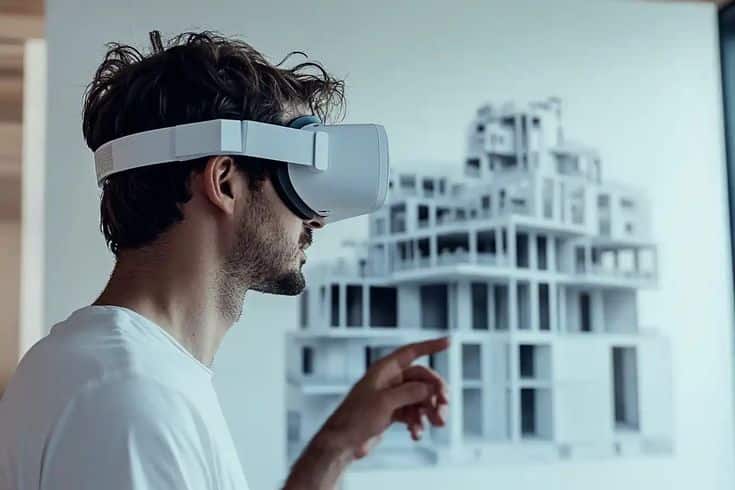
Brands like Amazon and Warby Parker have shown that the future is already here. While Amazon allows you to see how a television looks on your wall, Warby Parker uses facial recognition so you can try on glasses virtually with amazing precision.
Conclusion
In summary, when screens are no longer enough, augmented reality becomes the language of modern business. Fostering a customer interaction that is immersive, useful, and emotional is the key to ensuring success in the market of tomorrow. Do not limit yourself to showing your products; allow your customers to experience them.
Are you ready to integrate augmented reality into your business?
Contact us today to learn about our personalized solutions and start designing the future of your brand.